
Web3 Game Development: 2024's Most Promising Business Venture
Most Promising Business Venture

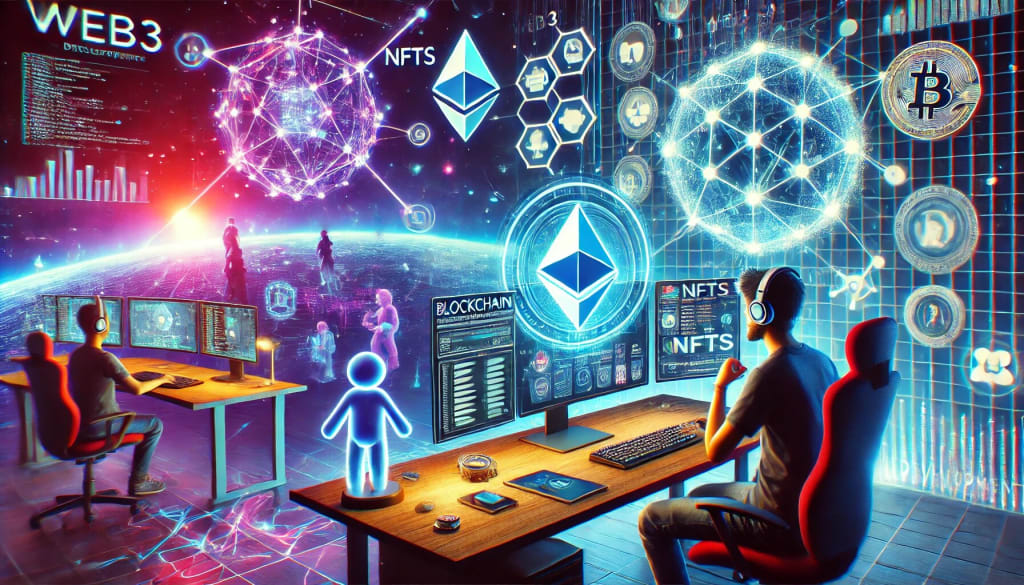
Web3 game development is revolutionizing the gaming industry by leveraging blockchain technology to create decentralized, transparent, and player-centric ecosystems. Unlike traditional games, where control lies primarily with centralized entities, Web3 games empower players with true ownership of in-game assets and enable them to participate in governance and economic systems within the game world. This paradigm shift is reshaping how developers and players interact, paving the way for a more equitable and immersive gaming experience.
What is Web3 Game Development?
Web3 game development refers to the creation of games that utilize blockchain technology, smart contracts, and decentralized networks to provide unique features such as:
Ownership of Digital Assets: Players own in-game items as NFTs (Non-Fungible Tokens), allowing them to trade or sell them on marketplaces.
Decentralized Economies: Games incorporate tokenomics where players can earn, trade, and utilize cryptocurrency or tokens within the game.
Interoperability: Assets and currencies can often be transferred across multiple games and platforms.
Transparency and Security: Blockchain ensures that all transactions and gameplay mechanisms are secure and transparent.
Player Governance: Decentralized Autonomous Organizations (DAOs) enable players to have a say in the development and policies of the game.
Current Trends in Web3 Game Development
Play-to-Earn (P2E) Models: P2E games like Axie Infinity have popularized earning cryptocurrency as a reward for gameplay.
Interoperable Metaverses: Projects like The Sandbox and Decentraland focus on creating shared virtual worlds where assets and identities persist across platforms.
NFT Integration: Incorporating NFTs as characters, skins, and collectibles remains a core trend.
Cross-Platform Development: Ensuring Web3 games are accessible across PCs, consoles, and mobile devices is becoming essential.
AI and Machine Learning: Leveraging AI to enhance gameplay experiences and maintain economic stability in token-driven ecosystems.z
Sustainability Concerns: Developers are adopting eco-friendly blockchain solutions like Solana and Polygon to reduce environmental impact.
Why Web3 Game Development is a Promising Business Venture
Web3 game development offers numerous opportunities for entrepreneurs and investors due to:
Massive Market Growth: The global blockchain gaming market is projected to grow exponentially, driven by increasing adoption of NFTs and cryptocurrencies.
Monetization Opportunities: Developers can earn through NFT sales, token launches, and transaction fees.
Community Engagement: Blockchain enables a loyal and engaged community by involving players in decision-making processes.
Innovation Potential: The fusion of gaming with blockchain, AI, and AR/VR creates limitless possibilities for innovation.
First-Mover Advantage: The relatively nascent state of Web3 gaming offers early adopters significant competitive advantages.
Key Challenges and Considerations
While Web3 game development is promising, it comes with challenges:
Regulatory Uncertainty: Navigating the legal landscape for cryptocurrencies and NFTs can be complex.
High Development Costs: Blockchain integration and smart contract development require specialized skills and resources.
Scalability Issues: Many blockchains face limitations in handling high transaction volumes, affecting gameplay.
User Onboarding: Educating players about wallets, NFTs, and blockchain technology can be a barrier to entry.
Security Risks: Smart contract vulnerabilities and cyber threats can compromise player assets.
Steps to Start a Web3 Game Development Business
Understand Blockchain Fundamentals: Gain knowledge of blockchain technology, smart contracts, and decentralized systems.
Choose a Blockchain Platform: Select a platform like Ethereum, Binance Smart Chain, or Polygon based on scalability, transaction fees, and community support.
Define Your Game Concept: Create a detailed game concept incorporating tokenomics, NFTs, and player engagement strategies.
Assemble a Team: Hire blockchain developers, game designers, and artists with expertise in Web3 technologies
Develop and Test: Build the game, integrate blockchain features, and conduct thorough testing to ensure security and functionality.
Launch and Market: Promote your game through community-building, partnerships, and targeted marketing campaigns.
Iterate Based on Feedback: Continuously improve your game based on player feedback and market trends.
Future of Web3 Game Development
The future of Web3 game development looks promising, with advancements in technology and growing mainstream adoption. Key trends to watch include:
Integration with AI and AR/VR: Combining blockchain with immersive technologies will redefine gameplay experiences.
Mass Adoption of Metaverses: As metaverses grow, Web3 games will play a pivotal role in shaping virtual economies and communities.
Improved Scalability Solutions: Innovations like Layer-2 scaling and alternative blockchains will make Web3 games more accessible.
Regulatory Clarity: Clear regulations will foster greater trust and investment in the space.
Greater Inclusivity: Simplifying onboarding processes will enable more players to participate in Web3 gaming.
Conclusion
Web3 game development is not just a technological advancement but a transformative movement reshaping the gaming industry. By empowering players with ownership, transparency, and governance, it creates opportunities for innovation and engagement like never before. While challenges exist, the potential rewards for developers, investors, and players make it a venture worth exploring. As technology and adoption progress, Web3 games will undoubtedly become a cornerstone of the gaming world.
About the Creator
PixelPlayground
PixelPlayground creates 1,000+ unique games across mobile, PC, and web. From casual fun to strategy, we deliver unforgettable gaming experiences for players worldwide.
Keep reading
More stories from PixelPlayground and writers in Gamers and other communities.
Poker Meets Blockchain: The Rise of Crypto Gaming Platforms
Online poker has undergone a remarkable transformation since its inception in the late 1990s. What started as a niche pastime for tech-savvy card enthusiasts has blossomed into a multi-billion-dollar industry, offering players worldwide the chance to enjoy their favorite game from the comfort of their homes. However, along with its rapid growth, the online poker industry has faced persistent challenges, including concerns about fairness, security, and high operational costs. Enter blockchain technology and cryptocurrency—two innovations poised to redefine the way online poker operates.
By PixelPlaygroundabout a year ago in Gamers
Assassin’s Creed Valhalla Will Drag You Into a Viking Adventure You Can’t Escape
Few games combine historical immersion, epic storytelling, and open world exploration as effectively as Assassin’s Creed Valhalla. Developed by Ubisoft and released on Xbox, it offers a sprawling Viking saga where every choice matters and every conquest leaves a mark. The game is not just about battles; it is about building a life, a legacy, and a community in a turbulent and violent world.
By Lukáš Hrdlička6 days ago in Gamers


Comments (1)
Web3 game development is rapidly emerging as one of 2024's most promising business ventures, combining blockchain technology with gaming to offer decentralized, player-owned economies, and enhanced user experiences. With features like NFT integration and in-game cryptocurrency, developers can create games that reward players for their participation and creativity. As the industry grows, resources like Block Blast Solver (https://theblockblastsolver.com/) can help game developers refine their problem-solving mechanics, ensuring their games are engaging and strategically sound while capitalizing on the latest technological trends to stay ahead in this dynamic field.