
VIRTUAL FANS:THE FUTURE OF AUDIENCE ENGAGEMENT IN THE OLYMPICS
Virtual Fans:Revolutionizing Audience Interaction and Engagement in the Olympics.

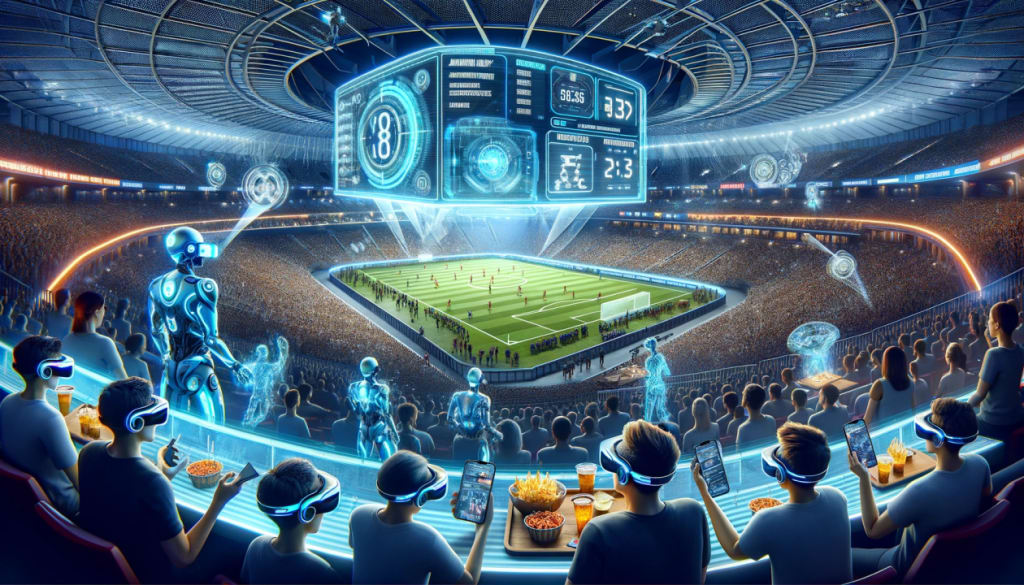
The global fascination with the Olympic Games has long been built on the energy of large audiences, the roar of crowds in stadiums, and the collective spirit of nations cheering their athletes to victory. However, with technological advancements and recent global events, the concept of audience engagement has been evolving rapidly. Virtual fans are emerging as a significant component of this evolution, providing a new way for people to experience and interact with the Olympic Games, whether in-person or from a distance. This transformation is not just about enhancing the viewing experience; it represents the future of how audiences interact with sports and entertainment events in general.
The Need for Virtual Fans
The rise of virtual fans in major sporting events, particularly the Olympics, has been accelerated by a variety of factors. One of the most important of these is the recent COVID-19 pandemic, which forced organizers to rethink how live events could be conducted with minimal physical presence. The Tokyo 2020 Olympics, delayed and held under strict pandemic protocols, became a pivotal moment in the evolution of virtual engagement. With limited spectators in stadiums and strict restrictions on international travel, the need for virtual fans became more apparent than ever before.
As the world looks to post-pandemic recovery, the Olympics and other large-scale events are also learning to balance safety protocols with audience engagement. Virtual fans, through digital tools and innovative technologies, provide a solution that allows the excitement and interaction of in-person experiences to continue—regardless of geographic or health-related limitations.
Technology Enabling Virtual Fans
The technology behind virtual fans spans a variety of tools that are reshaping the experience for both athletes and audiences. Augmented Reality (AR) and Virtual Reality (VR) are at the forefront, enabling fans to interact with the games in entirely new ways. Virtual fan platforms, for example, allow viewers to create personalized avatars that can appear in digital spaces alongside real athletes, offering an immersive experience.
In addition to AR and VR, digital broadcasting technologies also play a crucial role. During the Tokyo Olympics, for example, broadcasters used 360-degree cameras and interactive features to give viewers a sense of being right in the middle of the action. This allowed fans to virtually “sit” in the stands or take part in the celebrations at the medal ceremony without ever leaving their homes. This technology has become more advanced, providing viewers with a fully immersive experience that they can tailor to their own preferences.
Social media and live-streaming platforms are also integral to the virtual fan experience. In real-time, fans from around the world can send messages, share content, or engage in online discussions, adding a layer of community to the experience. The interaction is not just passive viewing; it is a constant, live conversation that spans across various digital mediums. The Olympics' official apps and websites further enhance this engagement by offering personalized content, statistics, and live updates tailored to the fans’ preferences.
Benefits of Virtual Fans in the Olympics
Wider Accessibility: The biggest advantage of virtual fans is the ability to expand the audience base. People who might not have had the financial means or physical ability to attend the Olympics in person can now be part of the global event. This can be particularly significant for fans in remote areas or those facing mobility challenges.
Enhanced Engagement: Virtual fan interactions enhance audience engagement by allowing fans to be part of the action. Whether it's through live voting for favorite athletes, sending cheers and messages of support, or joining virtual celebrations, fans can contribute in real-time. This helps maintain the sense of community and collective excitement that has traditionally defined the Olympic experience.
Innovative Sponsorship Opportunities: The advent of virtual fans has opened up new avenues for sponsorship and brand partnerships. Virtual billboards, interactive ads, and customized experiences can be integrated into the virtual fan space, providing a new platform for commercial engagement. This not only enhances revenue for the event organizers but also creates more personalized experiences for viewers.
Data Collection and Personalization: Virtual platforms also allow organizers to collect data on audience preferences, viewing habits, and engagement levels. This data can then be used to enhance future Olympic events by tailoring content and creating more personalized viewing experiences. For example, virtual fans might be able to choose specific camera angles, access real-time stats about athletes, or even watch live feeds of certain events on demand.
The Future of Virtual Fans in the Olympics
Looking ahead, the use of virtual fans in the Olympics is expected to grow and evolve. With the continued advancement of 5G technology, augmented and virtual reality will become even more immersive, providing fans with near-instantaneous access to high-quality digital experiences. It is likely that in the future, we will see more sophisticated avatars and enhanced virtual worlds where fans can interact with each other and the event in real-time, creating a fully immersive Olympic Games experience from anywhere in the world.
Moreover, the role of virtual fans may also be integrated with artificial intelligence (AI) to better understand and anticipate audience desires. AI could suggest personalized content, tailor notifications for individual fans, and even create customized “fan journeys” that guide people through different Olympic sports or historical events. In essence, the future of Olympic engagement is set to be both highly interactive and uniquely personalized.
In The End
Virtual fans are poised to redefine the future of audience engagement in the Olympics. They offer a dynamic, inclusive, and interactive way for people to connect with the Games, enhancing the experience for both those attending in person and those watching remotely. As technology continues to advance, the possibilities for virtual fan experiences are boundless, promising an exciting future for the Olympics and other global sporting events. By embracing these innovations, the Olympics can continue to expand its reach and create a more engaging, connected, and accessible experience for fans around the world.
About the Creator
Badhan Sen
Myself Badhan, I am a professional writer.I like to share some stories with my friends.
Keep reading
More stories from Badhan Sen and writers in Gamers and other communities.
THE INTRODUCTION OF AI AND MACHINE IN OLYMPIC BROADCASTING
The Olympic Games, one of the most watched sporting events in the world, have always pushed the boundaries of broadcasting technology to provide an unforgettable experience for viewers. With the rise of artificial intelligence (AI) and machine learning (ML), the evolution of Olympic broadcasting has taken a significant leap forward. These technologies not only enhance the viewing experience but also streamline operations, improve efficiency, and provide deep insights that were previously unimaginable. The integration of AI and ML in Olympic broadcasting has transformed how fans engage with the Games, from content creation and live coverage to personalized viewing experiences.
By Badhan Senabout a year ago in Gamers



Comments
There are no comments for this story
Be the first to respond and start the conversation.