
THE INTRODUCTION OF AI AND MACHINE IN OLYMPIC BROADCASTING
Exploring the Role of AI and Machine Learning in Enhancing Olympic Broadcasting Experiences.

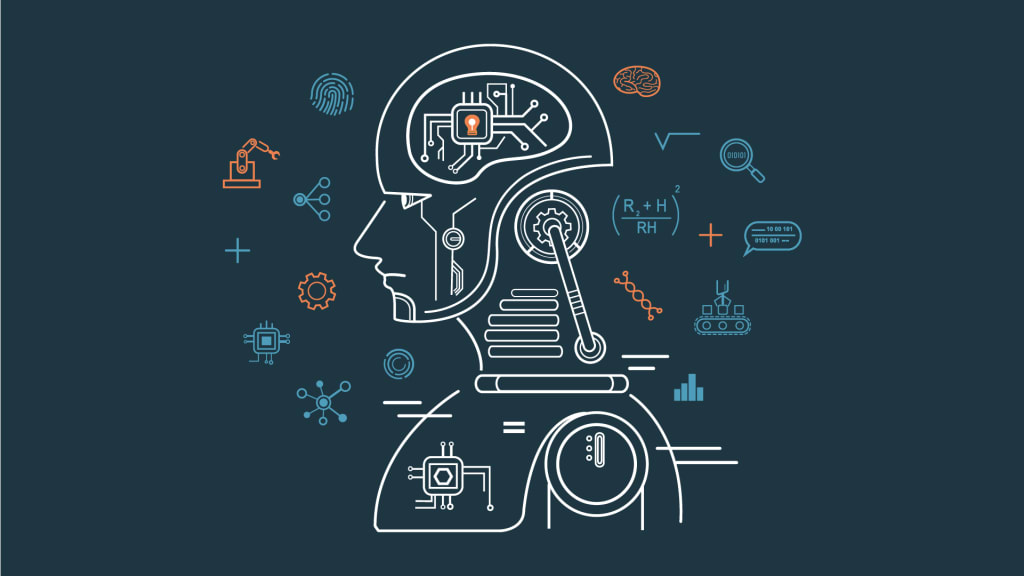
The Olympic Games, one of the most watched sporting events in the world, have always pushed the boundaries of broadcasting technology to provide an unforgettable experience for viewers. With the rise of artificial intelligence (AI) and machine learning (ML), the evolution of Olympic broadcasting has taken a significant leap forward. These technologies not only enhance the viewing experience but also streamline operations, improve efficiency, and provide deep insights that were previously unimaginable. The integration of AI and ML in Olympic broadcasting has transformed how fans engage with the Games, from content creation and live coverage to personalized viewing experiences.
(I)AI and Machine Learning in Content Creation
AI and ML have revolutionized the way broadcasters create and manage content during the Olympics. Traditionally, broadcasters had to rely on teams of editors to manually sort through hours of footage, select highlights, and craft narratives. With the introduction of AI-powered systems, these processes have been automated and enhanced. AI algorithms can analyze vast amounts of data, identify key moments in live events, and generate highlight reels in real-time. For example, AI can detect key moments like a sprinter crossing the finish line or a gymnast executing a flawless routine, automatically selecting and editing these segments for broadcast.
One prominent example of this is the use of AI for video indexing. Using image recognition, machine learning models can analyze thousands of hours of footage, categorizing specific actions, such as goals, victories, or controversial moments. This not only speeds up content production but also improves the accuracy of highlight reels, ensuring fans see the most exciting moments without delay.
Additionally, AI is being used to automate the production of commentary. By analyzing previous broadcasts and understanding the context of the event, AI can generate real-time commentary that matches the tone and style of professional sports broadcasters. This is especially useful for events that take place in multiple venues simultaneously, where human broadcasters may not have access to all feeds. AI-generated commentary can offer a consistent, engaging experience for audiences, even during less popular events.
(II)Enhancing Live Coverage with AI and ML
The real-time nature of the Olympics presents unique challenges for broadcasters, especially when it comes to delivering comprehensive coverage across numerous sports and events. AI and ML have played a crucial role in improving live coverage by providing automated tracking and analytics.
AI-powered cameras are used extensively during the Games to track athletes’ movements, providing more precise and dynamic camera angles. These smart cameras use object detection and tracking algorithms to follow athletes during fast-paced events like track and field, swimming, and cycling. This gives viewers a more immersive experience, as the cameras can adjust dynamically to capture key moments in ways traditional cameras cannot.
Machine learning models also help broadcasters improve the accuracy of sports statistics. For instance, AI can track an athlete's performance across multiple events and provide insights into their progress. This is especially helpful in providing context during live broadcasts, where viewers can receive up-to-date data on an athlete's speed, jump height, or heart rate, all in real-time. Such detailed analytics make the viewing experience more engaging and informative for fans.
(III)Personalization and Audience Engagement
One of the most exciting applications of AI and ML in Olympic broadcasting is the ability to deliver personalized content. Fans today expect more control over how they consume media, and AI has made it possible to cater to these preferences. By analyzing viewers’ past interactions, viewing habits, and preferences, AI can recommend specific events or highlight packages tailored to individual interests.
For example, machine learning algorithms can create personalized highlight reels based on a viewer’s favorite athletes or sports. AI can track which events fans are most interested in and automatically deliver highlights or summaries of those events, ensuring that viewers don’t miss a moment of the action. Furthermore, AI-powered chatbots can engage with fans in real time, answering questions, providing insights into ongoing events, or even offering behind-the-scenes content.
Virtual and augmented reality (VR/AR) also play a part in personalized experiences. AI can enhance these technologies to create immersive environments for fans, allowing them to virtually attend events, explore venues, or even experience events from an athlete’s perspective. This can be particularly appealing for those who cannot physically attend the Games but still want to feel closely connected to the action.
(IV)AI and ML in Post-Event Analysis and Insights
Once the events are over, AI and ML continue to add value in the form of post-event analysis. AI algorithms can examine performance data and offer detailed reports on athletes' strengths, weaknesses, and trends over time. These analyses are beneficial not only to the athletes and coaches but also to fans, as they gain a deeper understanding of the strategies and techniques behind each performance.
Furthermore, machine learning is being used to improve broadcasting strategies. By analyzing viewer data, AI can help broadcasters identify which events drew the most attention and tailor future broadcasts accordingly. It can also provide insights into how viewers engage with content, helping broadcasters optimize their offerings for future Olympic Games.
(V)Challenges and the Future of AI in Olympic Broadcasting
While AI and ML have already revolutionized the Olympic Games broadcasting, challenges remain. One of the biggest challenges is the need for vast amounts of high-quality data to train these systems. Ensuring that the algorithms accurately understand complex sporting events and provide meaningful insights is a task that requires constant refinement. Additionally, ethical concerns regarding data privacy and the potential for AI to replace human jobs in the broadcasting industry need to be addressed.
Despite these challenges, the future of AI and ML in Olympic broadcasting looks promising. As these technologies continue to evolve, they will likely play an even greater role in enhancing the viewer experience, creating new ways for fans to engage with the Games, and improving the efficiency of broadcasters and event organizers.
In conclusion, the introduction of AI and machine learning in Olympic broadcasting has fundamentally transformed the way the Games are experienced by viewers worldwide. From real-time analytics and personalized content to enhanced live coverage and post-event insights, AI and ML are reshaping the future of sports broadcasting, ensuring that the Olympics continue to be one of the most exciting and immersive events on the planet.
About the Creator
Badhan Sen
Myself Badhan, I am a professional writer.I like to share some stories with my friends.
Keep reading
More stories from Badhan Sen and writers in Gamers and other communities.
HOW DATA ANALYTIC ARE REVOLUTIONIZING THE OLYMPICS
The Olympics, one of the world’s most prestigious and widely viewed sporting events, has always been a platform for showcasing human excellence in athletic performance. However, in recent years, technology and data analytics have taken center stage in transforming how the Games are experienced, analyzed, and conducted. Data analytics, in particular, is revolutionizing the Olympics in various ways — from enhancing athletes' performances to improving event management and even altering how fans interact with the Games. Let’s dive deeper into how data analytics is changing the Olympics landscape.
By Badhan Senabout a year ago in Gamers
My Top 25 NES Games
The Nintendo Entertainment System, or the Famicom in Japan, is the earliest console I have any direct experience of. We didn’t have a NES in our house when we were kids. I was a bit sniffy of it actually, viewing it as old-fashioned and before my time (I was born in 1984, between the Japanese and Western releases of the system). It was years later that I started to appreciate earlier games and hardware. I played the NES round friends’ houses and, eventually, well into adulthood, someone decided to get rid of theirs and now we had our own Family Computer.
By Daniel Tessier8 days ago in Gamers
Essential Golf Tips Every Beginner Needs to Improve Their Game
Golf is a rewarding sport that combines skill, patience, and strategy. For beginners, the game can feel challenging because it requires mastering several techniques at once. Many new golfers focus too much on hitting the ball far instead of learning the fundamentals that lead to consistent performance. Improvement comes from developing good habits early, practicing with purpose, and understanding how each part of the game works together. With the right approach and consistent effort, beginners can build confidence and steadily improve their performance on the course.
By Daniel Ladnerabout 19 hours ago in Gamers


Comments (1)
What a good and interesting article on AI and gaming in many ways.