
The Ultimate Guide to Crafting Balanced D&D Homebrew Magic Items
Learn how to create powerful, balanced, and story-rich magic items for your D&D campaign with this comprehensive guide—featuring step-by-step instructions, design principles, and tips for crafting cursed treasures

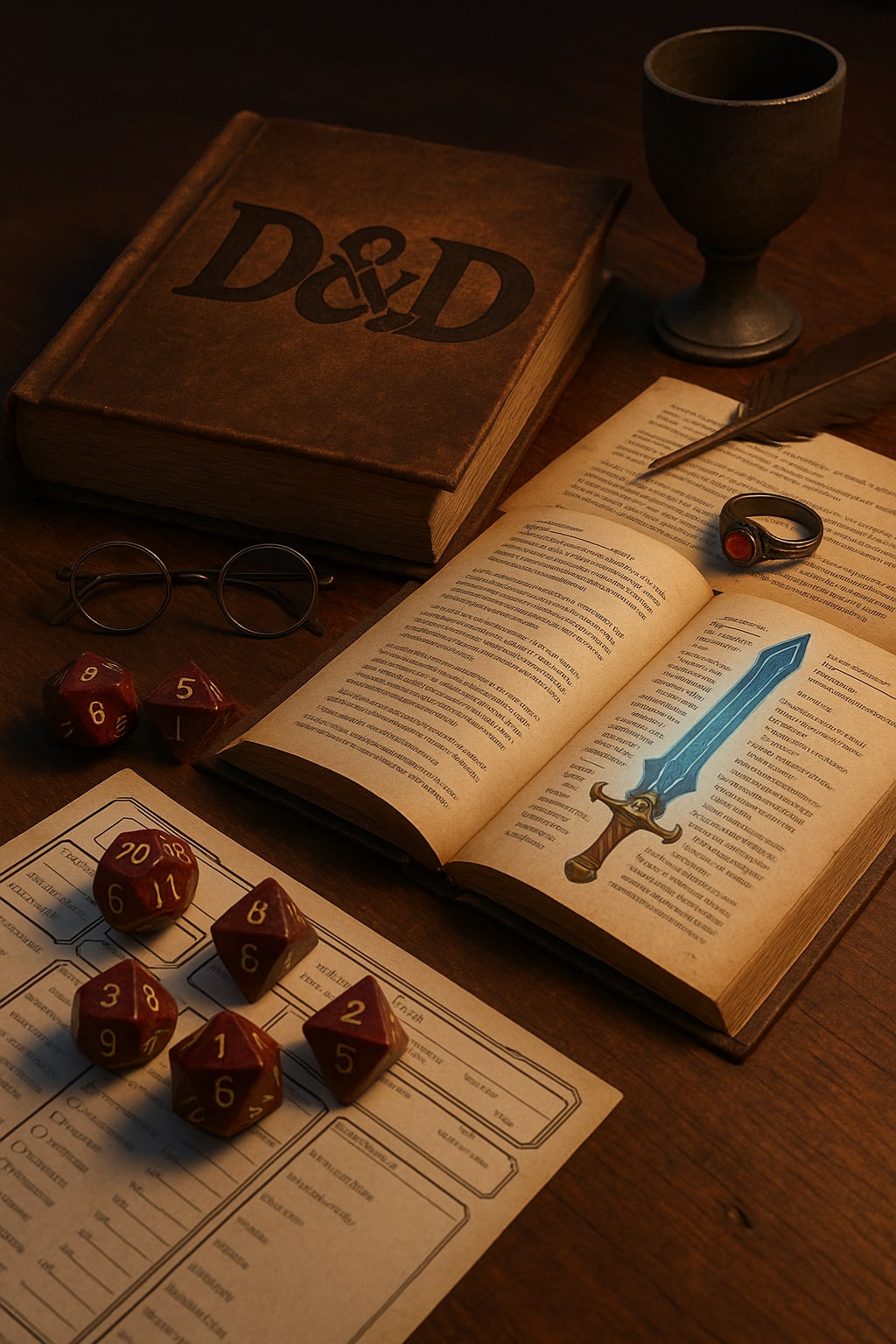
Creating homebrew magic items in Dungeons & Dragons is an art form. When done right, these items can enhance your game world, provide unforgettable moments, and empower your players in meaningful ways. However, the key to a successful homebrew magic item is balance.
Overpowered items can break the game, while underwhelming ones may simply gather dust in a player's inventory.
This guide will walk you through every step of designing balanced homebrew magic items, covering everything from understanding item rarity to playtesting and fine-tuning. Let's dive in.
Understanding Item Rarity and Power Scaling
The first step in creating a balanced homebrew magic item is understanding the official guidelines for item rarity and its expected power level. In D&D 5e, magic items are categorized into five main rarities:
- Common — Simple magical effects, usually not game-changing. These items are often utility-focused, like a magical candle that never burns out or a key that unlocks mundane doors.
- Uncommon — Useful but limited in power, often situational. Examples include a cloak that grants advantage on stealth checks or a ring that allows you to breathe underwater for short durations.
- Rare — Powerful effects that can change the tide of a battle. These items are significant boons, like a weapon that deals extra damage to specific creature types or a wand that can cast a powerful spell once per day.
- Very Rare — Significant enhancements or game-changing abilities. At this level, magic items often possess multiple abilities or impactful effects like flight, invisibility, or powerful area-of-effect spells.
- Legendary — Extremely powerful with abilities that redefine encounters. Legendary items are rare for a reason; they can single-handedly shift the outcome of major conflicts and should be awarded sparingly.
When designing your item, think about which category it fits into. An Uncommon item shouldn't allow a character to bypass major game mechanics, while a Legendary item should feel genuinely powerful without completely trivializing encounters.
Cross-referencing with official D&D magic items can be helpful for determining appropriate power levels.
Establishing a Clear Theme and Purpose
A great homebrew magic item starts with a strong concept. Ask yourself these questions:
- What is the purpose of this item? (e.g., defense, offense, utility)
- How does it fit into the world? (e.g., ancient artifact, newly-forged relic)
- What class or character archetype benefits the most from this item?
By answering these, you ensure your item has a purpose that makes sense both narratively and mechanically. For example, if you're creating a magical shield, think about its origins.
Was it crafted by a forgotten order of knights? Is it enchanted with protective spells by a long-lost mage? This context can inform its abilities and make it more meaningful in-game.
Designing the Mechanics
Mechanics are where balance is either achieved or lost. Here are some core principles:
- Match Effects to Rarity: If your item grants +1 to attack rolls and damage, it fits neatly as Uncommon. If it adds +3 and extra elemental damage, it's likely Very Rare or Legendary.
- Avoid Overlapping Abilities: Try not to create items that overshadow class abilities. A cloak that grants invisibility should not make the Rogue's "Hide" action irrelevant. Aim to enhance existing abilities, not replace them.
- Limit Recharge and Usage: To maintain balance, consider how often your item can be used. Daily charges, limited uses, or recharge mechanics help prevent abuse. Items that can be used indefinitely without cost should have minor effects.
- Consider Action Economy: If an item's abilities take a bonus action, reaction, or full action, it affects its power level. Free abilities that do not cost an action should be minor to avoid overpowering characters.
Adding Flavor and Lore
A well-crafted magic item is more than just stats; it tells a story. Write a brief backstory for the item:
- Who made it? Why?
- Was it used in any famous battles or by legendary heroes?
- Is it cursed or bound to specific conditions?
This not only adds depth but also gives players a reason to connect with the item beyond its mechanical benefits. Consider adding quirks, like a sword that hums when undead are near or a staff that whispers arcane secrets when held.
Crafting Tempting and Dangerous Cursed Items
Cursed items are a staple of D&D that can add layers of mystery and danger to your campaign. When crafting a cursed item, balance is crucial. The curse should not simply punish the player but offer enough benefit to make them hesitate before abandoning it.
Key Elements of a Balanced Cursed Item:
- Tempting Power: The item should provide meaningful benefits. A cursed sword might grant +2 to attack and damage but force the wielder to attack the nearest creature if they fail a Wisdom saving throw.
- Hidden Downside: The curse may not be apparent immediately, revealing itself over time or under specific conditions.
- Escape Clause: There should be a way to break the curse, but it shouldn't be easy. Requiring a quest, powerful magic, or the favor of a deity can be effective.
Examples:
Ring of Eternal Hunger (Rare, Cursed): Grants +1 to all Charisma checks but imposes a growing compulsion to consume raw meat each day.
Helm of the Fallen King (Very Rare, Cursed): Increases your AC by 2 and grants darkvision, but once worn, it cannot be removed without a "Remove Curse" spell, and the wearer is plagued by haunting whispers.
Playtesting and Tweaking
Once you've designed your item, it's time to test it. Use these steps:
- Introduce it in a One-Shot: See how players interact with it in a low-stakes environment.
- Monitor Usage: Take note of how often it's used and its impact on encounters.
- Adjust Accordingly: If it's too strong, consider adding limitations or increasing recharge time. If it's too weak, think about minor buffs or additional effects.
Crafting balanced magic items is a rewarding process that can add incredible depth and excitement to your D&D campaign. By following these guidelines, you ensure that your creations are both fair and fun, enriching the experience for both you and your players.
Balanced items, whether cursed or enchanted, create memorable moments without overshadowing the storytelling experience. In your next campaign, consider adding one of these unique homebrew items to truly captivate your players.
About the Creator
Richard Bailey
I am currently working on expanding my writing topics and exploring different areas and topics of writing. I have a personal history with a very severe form of treatment-resistant major depressive disorder.
Keep reading
More stories from Richard Bailey and writers in Gamers and other communities.
How to Build a Balanced Rush Royale Deck for PvP and Co-Op
Rush Royale is a fast-paced tower defense and card strategy game where success heavily depends on building the right deck. Whether you're climbing the PvP ladder or teaming up in Co-Op mode, having a balanced deck can significantly boost your chances of victory.
By Richard Bailey8 months ago in Gamers
Upcoming Xbox & Game Pass Releases: What’s Worth Playing This Week?
It’s time once again to take a look at what’s landing on Xbox and Xbox Game Pass this week—and whether any of it is worth your valuable time or money. It has been a minute since the last week-in-preview roundup (holiday chaos and all that), but we’re officially back on track with a fresh lineup of releases.
By Bella Anderson4 days ago in Gamers


Comments (1)
This guide on homebrew magic items sounds great. Understanding rarity is key. I once made a rare item that gave extra damage against undead. It was a hit, but I had to balance it. How do you think we can ensure a very rare item doesn't become too OP? And what's your favorite type of magic item to design? It's important to playtest these items. I remember when I first made a homebrew item, it seemed fine on paper but was way too powerful in game. We had to adjust it. How do you plan to playtest your homebrew magic items to avoid similar issues?