
THE SIGNIFICANCE OF ROWING AND CANOEING IN OLYMPIC HISTORY
Exploring the Legacy and Impact of Rowing and Canoeing in the Olympics.

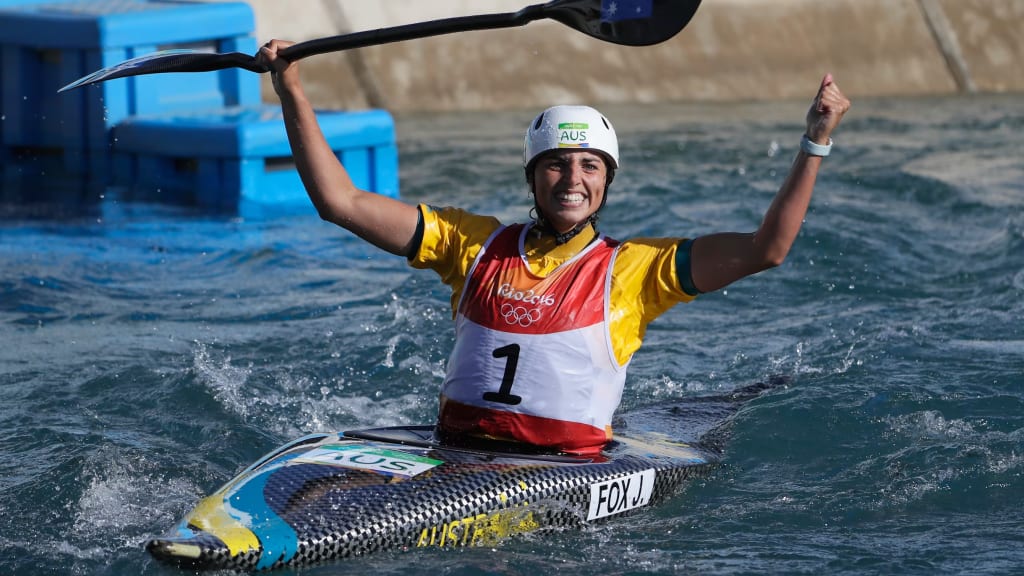
The Olympic Games have long been a stage for showcasing human endurance, strength, and skill, and among the many sports that have graced this global event, rowing and canoeing stand out for their rich history, tradition, and significance. These water-based sports not only test physical prowess but also exemplify teamwork, strategy, and the human spirit’s resilience. From their origins to their modern-day prominence, rowing and canoeing have played a crucial role in the Olympics and have captivated audiences worldwide.
Rowing: A Historical Perspective
Rowing made its debut in the modern Olympics in 1900 at the Paris Games, although it was initially scheduled for the inaugural 1896 Athens Games but was canceled due to bad weather. Since then, rowing has become one of the cornerstone events of the Summer Olympics. The sport has ancient roots, with evidence of competitive rowing dating back to ancient Egypt, Greece, and Rome, where it was often associated with naval training and prowess.
In its Olympic form, rowing emphasizes endurance, strength, and synchronization. Races typically occur over a 2,000-meter course, with events divided into sculling (where each rower uses two oars) and sweep rowing (where each rower uses one oar). The boats, or shells, vary in size, ranging from single sculls to eight-person boats with a coxswain.
One of the most iconic aspects of rowing is its emphasis on teamwork. In multi-rower events, synchronization is paramount. A single rower out of rhythm can disrupt the boat's balance and cost the team valuable seconds. This makes rowing not just a test of individual strength but also of collective effort and harmony.
Canoeing: A Sport of Versatility
Canoeing, like rowing, has deep historical roots. Indigenous peoples across the globe, from the Americas to Oceania, have used canoes for transportation, fishing, and exploration for thousands of years. In the Olympics, canoeing was introduced as a demonstration sport in 1924 and became an official event in 1936 at the Berlin Games.
Olympic canoeing comprises two distinct disciplines: sprint and slalom. Canoe sprint events take place on flat water over distances ranging from 200 to 1,000 meters. Athletes compete in canoes or kayaks, with kayaks distinguished by their double-bladed paddles and seated position, while canoeists kneel and use a single-bladed paddle. The canoe slalom, on the other hand, is a dynamic and thrilling event held on whitewater courses, where athletes navigate a series of gates while battling turbulent currents.
Canoeing’s appeal lies in its versatility and the different skills required for its two disciplines. Sprint events test speed, power, and endurance, while slalom events demand agility, precision, and quick decision-making. Both disciplines celebrate individual excellence and teamwork, as they include single (C1/K1) and multi-athlete (C2/K2, K4) events.
Rowing and Canoeing in the Olympic Context
Over the years, rowing and canoeing have produced countless memorable Olympic moments and legendary athletes. Names like Steve Redgrave, a British rower who won gold medals in five consecutive Olympics from 1984 to 2000, and Birgit Fischer, a German kayaker who secured eight gold medals across six Olympic Games, have become synonymous with excellence in these sports. Their achievements underscore the dedication and perseverance required to excel in these demanding events.
The inclusion of rowing and canoeing in the Olympics also reflects the Games' commitment to diversity and inclusivity. These sports provide opportunities for athletes from a wide range of countries to compete at the highest level, as they do not rely on expensive infrastructure or equipment to the same extent as some other sports. This accessibility has contributed to a growing global interest in rowing and canoeing, with nations from all continents now regularly competing for medals.
Symbolism and Values
Beyond the physical and competitive aspects, rowing and canoeing symbolize some of the core values of the Olympic movement. The teamwork and coordination in rowing highlight the importance of unity and collaboration, aligning with the Olympic motto of "Faster, Higher, Stronger – Together." Similarly, the precision and adaptability required in canoe slalom reflect the human ability to overcome obstacles and adapt to changing circumstances, echoing the resilience and determination celebrated in the Games.
Moreover, these sports connect the Olympics to nature. Events take place on rivers, lakes, and artificial courses that mimic natural conditions, reminding spectators of the importance of preserving these environments. The visual spectacle of rowing and canoeing events, set against stunning natural backdrops, enhances their appeal and reinforces the connection between sport and the natural world.
Challenges and the Future
Despite their rich tradition, rowing and canoeing face challenges in maintaining their relevance in the ever-evolving Olympic program. The increasing emphasis on urban and youth-oriented sports, such as skateboarding and surfing, poses a potential threat to traditional events. To counter this, the governing bodies of rowing and canoeing have worked to innovate and modernize their events. Initiatives such as mixed-gender events and the inclusion of shorter race formats aim to attract new audiences while preserving the essence of these sports.
Looking ahead, rowing and canoeing are well-positioned to continue their legacy in the Olympics. Their emphasis on physical and mental endurance, teamwork, and adaptability ensures that they remain quintessentially Olympic sports. As the world becomes increasingly conscious of environmental sustainability, these sports' close relationship with nature may further enhance their significance, inspiring future generations to engage with both sport and the environment.
In The End
Rowing and canoeing hold a special place in Olympic history, representing a blend of tradition, athletic excellence, and core human values. From their ancient origins to their modern Olympic manifestations, these sports have continually evolved while maintaining their essence. They remind us of the power of teamwork, the beauty of nature, and the unyielding human spirit. As the Olympics continue to adapt and grow, rowing and canoeing are likely to remain integral parts of this global celebration of sport and humanity.
About the Creator
Badhan Sen
Myself Badhan, I am a professional writer.I like to share some stories with my friends.
Keep reading
More stories from Badhan Sen and writers in Gamers and other communities.
THE ROLE OF FENCING IN THE MODERN OLYMPICS
Fencing is one of the few sports that has been a part of the modern Olympics since its inception in 1896. Rooted in the traditions of swordsmanship, fencing blends history, athleticism, and strategy, making it a unique and exciting Olympic event. Its evolution over the years has mirrored the growth of the Olympics themselves, transitioning from a representation of martial skills to a celebration of precision, agility, and sportsmanship. The role of fencing in the modern Olympics goes beyond competition; it embodies cultural heritage, technological advancement, and global unity.
By Badhan Senabout a year ago in Gamers
Master the New Economy: The Best Way to Use Magic Dust After Update 34.0
The recent arrival of Update 34.0 in Rush Royale has completely shifted the ground beneath our feet. For long-time players, the game once felt like a steady climb of critical damage and equipment grinding. Now, the developers have introduced a total rework of the gear system, replaced enchantments with artifacts, and redefined how we value our most precious resources.
By Richard Bailey4 days ago in Gamers


Comments
There are no comments for this story
Be the first to respond and start the conversation.