
THE ROLE OF FENCING IN THE MODERN OLYMPICS
Exploring the Evolution and Significance of Fencing in the Modern Olympic Games.

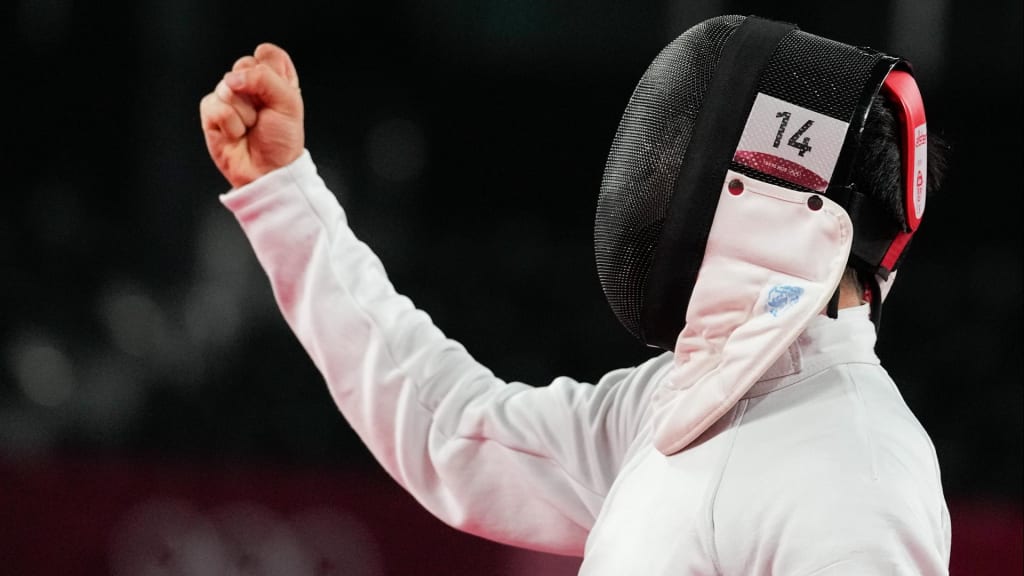
Fencing is one of the few sports that has been a part of the modern Olympics since its inception in 1896. Rooted in the traditions of swordsmanship, fencing blends history, athleticism, and strategy, making it a unique and exciting Olympic event. Its evolution over the years has mirrored the growth of the Olympics themselves, transitioning from a representation of martial skills to a celebration of precision, agility, and sportsmanship. The role of fencing in the modern Olympics goes beyond competition; it embodies cultural heritage, technological advancement, and global unity.
(I)Historical Significance
Fencing traces its origins back to ancient combat techniques, with structured training and codified rules emerging during the Renaissance period in Europe. By the 19th century, fencing had transformed from a method of self-defense to a competitive sport. The founder of the modern Olympic Games, Pierre de Coubertin, was a fencer himself, which contributed to fencing's inclusion in the first modern Olympics in Athens. Initially, only men competed in fencing events, but women were allowed to participate in the foil competition starting in 1924. Today, fencing remains a core Olympic sport, featuring three disciplines: foil, épée, and sabre, each with its distinct rules and techniques.
(II)The Structure of Olympic Fencing
Olympic fencing consists of three disciplines, each characterized by its weapon and rules:
- Foil: A lightweight thrusting weapon, the foil targets the torso, including the back but excluding the arms and head. Points are scored by striking the target area with the weapon's tip, and right-of-way rules determine which fencer receives the point in the case of simultaneous hits.
- Épée: The heaviest weapon in fencing, the épée allows for hits on the entire body. Unlike foil, there are no right-of-way rules, and points are awarded to the fencer who lands a touch first. Double touches are also permitted.
- Sabre: A cutting and thrusting weapon, the sabre targets the upper body, including the head and arms. Right-of-way rules apply, and points can be scored with the edge of the blade as well as the tip.
Each discipline requires a unique combination of skill, strategy, and athleticism, making fencing a multifaceted and diverse sport. Matches take place on a 14-meter-long piste, and bouts are electrified to ensure accuracy in scoring, with touches recorded electronically.
(III)Cultural and Symbolic Importance
Fencing’s presence in the Olympics highlights the importance of tradition and cultural heritage. It is often seen as a sport that bridges the past and present, preserving the art of swordsmanship while embracing modern technology. The sport's emphasis on etiquette and respect reflects the values of the Olympic spirit, emphasizing fairness and mutual respect.
Moreover, fencing is one of the few Olympic sports with a direct link to historical combat. While other martial arts like judo and taekwondo focus on unarmed techniques, fencing retains the essence of armed combat, albeit in a highly controlled and regulated environment. This connection to history provides a sense of continuity, linking the ancient traditions of dueling to the global stage of the Olympics.
(IV)Technological Advancements
The evolution of fencing as an Olympic sport has been closely tied to advancements in technology. In the early days, matches were judged visually, often leading to disputes. The introduction of electrical scoring in the 20th century revolutionized the sport, ensuring fair and accurate assessments of hits. Modern fencing equipment includes lightweight protective gear, transparent masks, and wireless scoring systems, making the sport safer and more spectator-friendly.
The use of technology has also enhanced the viewer experience. Slow-motion replays, live scoring, and digital overlays provide audiences with a clearer understanding of the fast-paced action, increasing the sport's accessibility to new fans. These innovations have helped fencing remain relevant in an era where audiences expect high levels of engagement and interactivity.
(V)Global Reach and Inclusivity
Fencing’s role in the Olympics has also contributed to its growth as a global sport. Initially dominated by European countries such as Italy, France, and Hungary, fencing has expanded its reach to include strong competitors from Asia, the Americas, and Africa. This globalization reflects the Olympic ideals of inclusivity and diversity, showcasing talent from around the world.
The introduction of mixed team events in recent years has further emphasized inclusivity and teamwork. Mixed events, where male and female fencers compete together, highlight gender equality and foster collaboration among athletes from different disciplines.
(VI)Challenges and Opportunities
Despite its rich history and unique appeal, fencing faces challenges in maintaining its relevance within the Olympics. The sport’s technical nature and complex rules can make it difficult for casual viewers to understand. Efforts to simplify the rules and improve broadcasting techniques are ongoing, aimed at increasing accessibility and fan engagement.
Additionally, the cost of equipment and training can be a barrier to entry for aspiring fencers, particularly in developing countries. Initiatives by the International Fencing Federation (FIE) and national governing bodies aim to address these challenges by providing funding, equipment, and training programs to underserved communities.
In The End
Fencing’s role in the modern Olympics is multifaceted, combining historical significance, cultural values, and athletic excellence. As one of the original Olympic sports, it serves as a bridge between tradition and innovation, preserving the art of swordsmanship while embracing modern technology and global inclusivity. The sport’s emphasis on discipline, respect, and precision embodies the Olympic spirit, making fencing a vital and enduring part of the Games. By addressing challenges and embracing opportunities for growth, fencing can continue to captivate audiences and inspire future generations of athletes.
About the Creator
Badhan Sen
Myself Badhan, I am a professional writer.I like to share some stories with my friends.
Keep reading
More stories from Badhan Sen and writers in Gamers and other communities.
THE DOMINANCE OF USAIN BOLT IN OLYMPIC TRACK AND FIELD
When discussing the greatest athletes in the history of sports, Usain Bolt’s name inevitably surfaces. The Jamaican sprinter, widely regarded as the fastest man in history, redefined what it means to dominate on the track. Across three Olympic Games — Beijing 2008, London 2012, and Rio 2016 — Bolt not only won medals but also transcended his sport to become a global icon. His dominance in the 100m, 200m, and 4x100m relay events is unparalleled, setting records and leaving an indelible mark on the world of athletics.
By Badhan Senabout a year ago in Gamers


Comments
There are no comments for this story
Be the first to respond and start the conversation.