
THE ROLE OF YOUTH IN THE OLYMPIC MOVEMENT
Empowering Youth to Uphold the Spirit of Unity,Excellence,and Peace in Sports.

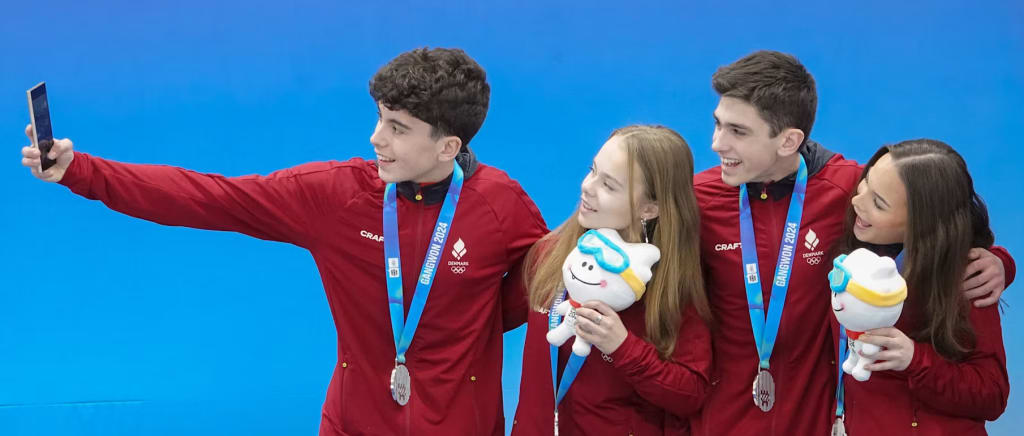
The Olympic Movement, rooted in the principles of excellence, respect, and friendship, has transcended boundaries to inspire humanity through sports. Central to this movement are the youth, whose energy, passion, and commitment drive the spirit of the Olympics forward. The role of youth is critical, not just as participants but also as ambassadors, change-makers, and torchbearers of the Olympic values in the modern era. This essay delves into the multifaceted role of youth in the Olympic Movement and their significance in shaping its future.
(I)Youth as Athletes: Exemplifying Excellence
The most apparent role of youth in the Olympic Movement is as athletes who compete in the Games. Young athletes symbolize the essence of the Olympic motto: Citius, Altius, Fortius (Faster, Higher, Stronger). Through their performance, they demonstrate excellence, determination, and the power of perseverance. They inspire millions globally, showcasing how dedication and hard work can lead to extraordinary achievements.
The Youth Olympic Games (YOG), established in 2010, specifically aim to encourage young athletes aged 14–18 to compete and embrace the Olympic spirit. Unlike the traditional Olympics, the YOG emphasizes education, cultural exchange, and skill development alongside competition. It provides a platform for the youth to not only hone their athletic skills but also to understand the importance of teamwork, respect, and fair play.
(II)Youth as Promoters of Olympic Values
The Olympic Movement goes beyond sports; it is a philosophy that promotes peace, unity, and mutual respect. Youth play a vital role in promoting these values in their communities and beyond. By participating in initiatives such as Olympic Day and other International Olympic Committee (IOC)-led programs, young people help disseminate the ideals of friendship, solidarity, and inclusivity.
In schools, universities, and social media platforms, youth act as influencers, using their voices to advocate for issues like gender equality, environmental sustainability, and anti-doping awareness. They help the Olympic Movement reach a broader audience, ensuring its relevance in an ever-changing world.
(III)Youth as Innovators: Shaping the Future
In an era dominated by technology and innovation, the youth's role in modernizing the Olympic Movement cannot be overstated. Their tech-savviness and creativity bring fresh perspectives to how the Olympics engage with the world. Social media campaigns, virtual reality experiences, and interactive content surrounding the Games are often led by young innovators who help bridge the gap between tradition and modernity.
Furthermore, young professionals in fields like sports science, event management, and environmental engineering are contributing to making the Olympics more sustainable and efficient. For example, their efforts have been instrumental in reducing the carbon footprint of the Games, promoting renewable energy, and ensuring inclusivity through adaptive technologies.
(IV) Youth as Advocates of Inclusivity
The youth of today are champions of inclusivity and diversity. They push for representation across genders, ethnicities, and abilities in the Olympic Movement. This advocacy has led to significant changes in the Games, such as the inclusion of more mixed-gender events and the Paralympic Games gaining equal recognition.
The younger generation's support for LGBTQ+ athletes and other marginalized groups underscores the transformative role they play in making the Olympics a true celebration of humanity. Their insistence on equity ensures that the Olympic Movement remains aligned with the values of fairness and respect.
(V)Youth as Community Leaders
Beyond competition, the youth contribute to the Olympic Movement as community leaders who use sports as a tool for social change. Grassroots programs initiated by young leaders in underserved communities have demonstrated how sports can be a powerful medium for development. These programs address issues like poverty, education, and health while fostering a sense of unity and purpose.
For instance, IOC-backed initiatives like the "Olympic Refuge Foundation" have seen young volunteers and leaders help displaced communities rebuild their lives through sports. This embodies the Olympic ideal of creating a better world through the universal language of athletics.
(VI)Challenges Faced by Youth in the Olympic Movement
Despite their significant contributions, young people face challenges in fully realizing their potential within the Olympic Movement. Limited access to resources, financial constraints, and inadequate infrastructure often hinder talented athletes, especially in developing countries. Furthermore, the commercialization of sports can sometimes overshadow the true spirit of the Olympics, making it harder for youth to focus on values rather than mere competition.
Addressing these challenges requires a collective effort from governments, NGOs, and the IOC. Investments in youth sports programs, scholarships, and mentorship opportunities are crucial to ensuring that young people from all backgrounds can participate in and benefit from the Olympic Movement.
In The End
The youth are the heartbeat of the Olympic Movement, embodying its ideals and carrying its legacy forward. As athletes, advocates, innovators, and leaders, they breathe life into the Games and ensure their relevance in a dynamic world. By empowering young people through education, resources, and opportunities, the Olympic Movement can continue to unite humanity and inspire generations to come.
Ultimately, the role of youth in the Olympic Movement is not confined to the arena; it is about fostering a world where the values of excellence, respect, and friendship shine brightly, transcending borders and building a more inclusive and harmonious global community.
About the Creator
Badhan Sen
Myself Badhan, I am a professional writer.I like to share some stories with my friends.
Keep reading
More stories from Badhan Sen and writers in Gamers and other communities.
THE ROLE OF AI IN OLYMPIC JUDGING SYSTEMS
Artificial Intelligence (AI) has become a transformative force in many aspects of modern life, including the world of sports. At the Olympics, a global stage where fairness, precision, and accuracy are paramount, AI has emerged as a game-changer, particularly in judging systems. The integration of AI technologies ensures unbiased scoring, enhances athlete performance analysis, and provides an enriched viewing experience for spectators. This article explores the role of AI in Olympic judging systems, its benefits, challenges, and the future it holds.
By Badhan Senabout a year ago in Gamers
U4gm ARC Raiders 1.19.0: Stand Out with the Devotee Outfit and New Hairstyles
The ARC Raiders 1.19.0 update has officially arrived, and it’s bringing more than just bug fixes and balance tweaks. Players now have exciting new ways to stand out in the heat of battle with a brand-new cosmetic outfit and two distinct hairstyles.
By Billo Nali5 days ago in Gamers


Comments (1)
What a great story to share with an elementary or middle school social studies lesson. Great work.