
THE ROLE OF AI IN OLYMPIC JUDGING SYSTEMS
Exploring the Impact of AI in Engineering Accuracy and Efficiency in Olympic Judging Systems.

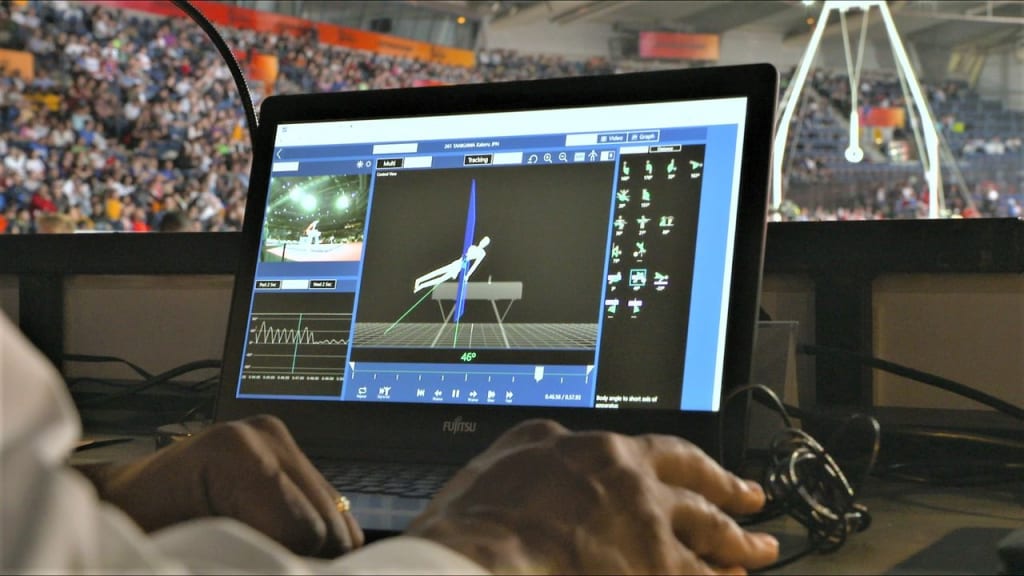
Artificial Intelligence (AI) has become a transformative force in many aspects of modern life, including the world of sports. At the Olympics, a global stage where fairness, precision, and accuracy are paramount, AI has emerged as a game-changer, particularly in judging systems. The integration of AI technologies ensures unbiased scoring, enhances athlete performance analysis, and provides an enriched viewing experience for spectators. This article explores the role of AI in Olympic judging systems, its benefits, challenges, and the future it holds.
Enhancing Accuracy and Fairness
One of the key roles of AI in Olympic judging systems is improving accuracy and fairness. Traditional judging often relies on human perception, which can be subjective and susceptible to bias or errors. AI systems, on the other hand, provide an objective framework for evaluation.
For instance, in sports like gymnastics, diving, and figure skating, where performance is judged on technique, form, and execution, AI can analyze intricate movements in real-time. Computer vision and machine learning algorithms track body movements, posture, and even facial expressions with precision that surpasses the human eye. By comparing these data points against predefined criteria, AI ensures consistent and impartial scoring.
A notable example is the use of AI in fencing during the Tokyo 2020 Olympics. AI-enabled cameras detected touches and recorded scores instantaneously, minimizing human errors. Similarly, in events like archery and shooting, AI-based systems measure the exact point of impact, eliminating disputes and ensuring transparent scoring.
Real-Time Performance Analysis
AI is also revolutionizing athlete performance analysis. Through motion-capture technology and biomechanical modeling, AI can break down an athlete’s movements into measurable data. This analysis provides insights into strengths, weaknesses, and areas for improvement.
For example, in sports like athletics and swimming, AI analyzes stride patterns, body angles, and velocity. This data not only aids judges in evaluating performances but also helps athletes refine their techniques. Coaches use these insights to optimize training regimens, thereby enhancing an athlete’s chances of winning.
Moreover, AI-powered wearables and sensors embedded in uniforms or equipment monitor physiological data like heart rate, muscle activity, and energy expenditure. Judges and referees use this data to verify rule compliance, ensuring that athletes perform within the set parameters.
Improving Spectator Experience
AI also plays a vital role in enhancing the viewing experience for audiences. Advanced AI systems provide augmented reality (AR) and virtual reality (VR) experiences, giving spectators a more immersive understanding of the game. For instance, during gymnastics routines or figure skating performances, AI-powered graphics can highlight the intricacy of movements, making the judging process more transparent and engaging.
Additionally, AI-driven commentary systems analyze performances in real-time and provide explanations for scores, helping viewers better understand the nuances of scoring systems. This builds trust among fans by showing that the judging process is objective and well-informed.
Automated Refereeing and Rule Enforcement
In many sports, referees and judges make split-second decisions that can significantly influence outcomes. AI systems act as a second layer of scrutiny, ensuring decisions are accurate. For instance, in sports like tennis and volleyball, AI-powered Hawk-Eye technology tracks ball trajectories and determines whether a ball is in or out, often resolving disputes instantly.
In combat sports such as boxing or judo, AI systems monitor rule adherence, such as illegal strikes or improper holds. These systems reduce the burden on referees and ensure that decisions are consistent and unbiased.
Challenges and Ethical Concerns
Despite its benefits, the integration of AI in Olympic judging systems is not without challenges. One of the primary concerns is the risk of over-reliance on technology. While AI can analyze data with remarkable precision, it lacks the contextual understanding that human judges bring. For example, in subjective sports like artistic gymnastics or synchronized swimming, where creativity and artistry play a significant role, human judgment remains essential.
Another concern is data privacy. AI systems collect and process vast amounts of data, raising questions about how this data is stored, used, and protected. Ensuring that athletes’ personal information and performance data remain confidential is a pressing issue.
Additionally, the cost of implementing AI technologies can be prohibitive, especially for smaller sporting events or nations with limited resources. Striking a balance between technological advancements and accessibility is crucial to ensure a level playing field.
Future Prospects
The future of AI in Olympic judging systems looks promising. Advances in machine learning, computer vision, and neural networks will continue to improve the accuracy and reliability of AI systems. Collaborative AI systems, where human judges and AI work together, could become the norm. This hybrid approach combines the objectivity of AI with the nuanced understanding of human experts, offering the best of both worlds.
Moreover, AI can play a role in developing more inclusive judging systems. By analyzing data from diverse athletes, AI can help identify biases in traditional scoring methods and propose fairer alternatives. For instance, AI could ensure that all athletes, regardless of their physical attributes or cultural backgrounds, are evaluated on an equal footing.
AI is also likely to contribute to the evolution of sports themselves.
In The End
The role of AI in Olympic judging systems is a testament to the power of technology to enhance fairness, accuracy, and transparency in sports. By minimizing human errors, providing real-time performance analysis, and improving the spectator experience, AI ensures that the spirit of competition remains pure.
While challenges like ethical concerns and accessibility need to be addressed, the potential of AI to revolutionize Olympic judging is undeniable. As AI continues to evolve, it will not only redefine how we judge performances but also inspire a new era of innovation and excellence in the world of sports.
About the Creator
Badhan Sen
Myself Badhan, I am a professional writer.I like to share some stories with my friends.
Keep reading
More stories from Badhan Sen and writers in Gamers and other communities.
HOW BIG DATA AND SMART SENSORS ARE CHANGING OLYMPIC SPORTS
The Olympic Games have always been a pinnacle of athletic performance and innovation, showcasing the very best of human capability. In recent years, a new player has entered the arena: technology. Specifically, big data and smart sensors have begun to revolutionize how athletes train, compete, and even recover. This integration of advanced technology has opened the door to new levels of precision, performance optimization, and fair play, significantly transforming the landscape of Olympic sports.
By Badhan Senabout a year ago in Gamers
Early Life: From the Streets of Madeira to Stardom
Cristiano Ronaldo: From Madeira to Football Immortality Cristiano Ronaldo dos Santos Aveiro is a name that has become synonymous with determination, ambition, and sporting excellence. Rising from humble beginnings on the Portuguese island of Madeira, Ronaldo transformed himself into one of the greatest football players in history and a global icon followed by hundreds of millions of fans. His story is not only about talent, but about discipline, resilience, and an unstoppable desire to improve.
By Reflective Stories2 days ago in Gamers



Comments (2)
Good article, AI is slowly taking over in a way we all do things.
Hire Ethical Hacker..... Contact me (hack4net8@gmail .com), for all your general: keylogging, university/institutional server database hack (grades change), text message interception, phone number registry hack, IP tracking, Computer Software/App Hack, Email access/password, Social network hack, Bank transfer (wire to any secure location around the world).Reach out (hack4net8@gmail .com)