
THE ROLE OF THE OLYMPICS IN SHAPING GLOBAL SPORTS CULTURE
Olympic:A Catalyst in Shaping Global Sports Culture and Fostering International Unity.

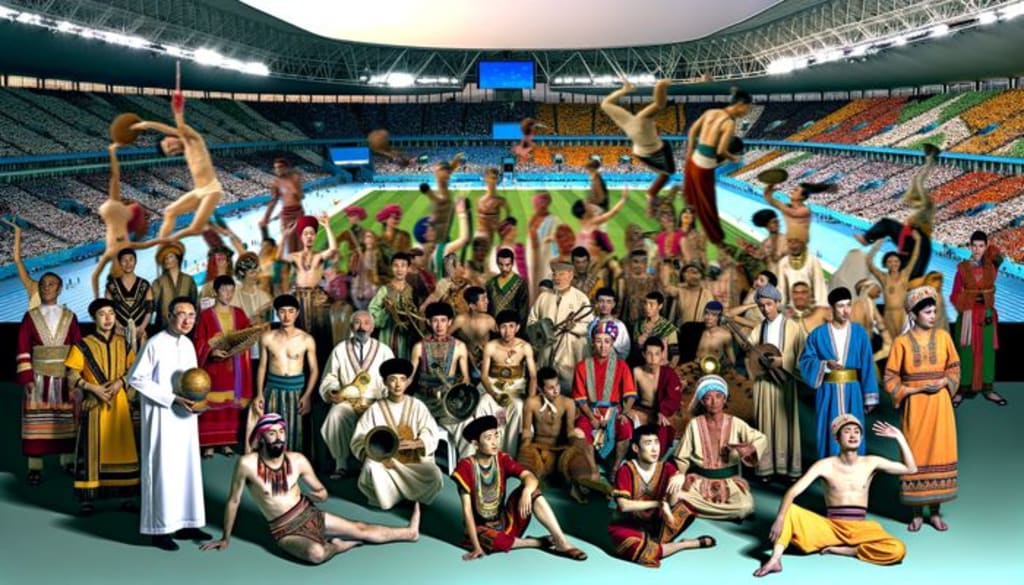
The Olympics have long stood as the pinnacle of international sports competitions, symbolizing more than just athletic achievement. As one of the most widely viewed and celebrated events globally, the Olympics play a crucial role in shaping sports culture worldwide. They bring together athletes from different nations, fostering unity, competition, and cultural exchange. Beyond mere sports, the Olympics have become a powerful platform for influencing global sports culture, promoting values of fairness, excellence, and diversity. This article explores the significant impact of the Olympic Games on global sports culture.
The History and Evolution of the Olympics
The Olympic Games have ancient origins, dating back to 776 BCE in Olympia, Greece, where the first recorded Olympic Games were held. These early Games were dedicated to Zeus and were a celebration of athletic prowess and religious devotion. However, the modern Olympics, revived in 1896 by Pierre de Coubertin, have evolved to become a massive global event. Today, the Olympics encompass both Summer and Winter Games, featuring a wide range of sports that attract participants from every continent.
As the Games grew in scope and visibility, they became more than just a series of athletic contests. The Olympics increasingly became a means for countries to display their national pride, showcase their cultural identity, and engage in a global dialogue. This transformation has been key in shaping global sports culture, as the Olympics became a forum for international cooperation and competition.
Fostering Unity and Global Cooperation
One of the most significant roles of the Olympics in shaping global sports culture is its ability to foster unity and cooperation among nations. The Games bring together athletes from over 200 countries, creating a shared space for friendly competition. The motto "Citius, Altius, Fortius" (Faster, Higher, Stronger) embodies the spirit of fair play and excellence that transcends borders. This international participation not only promotes peaceful rivalry but also strengthens ties between countries through sports diplomacy.
Through the years, the Olympics have played a vital role in breaking down cultural and political barriers. For instance, the 1960 Rome Olympics featured athletes from both Eastern and Western blocs during the Cold War, symbolizing a rare moment of peaceful engagement between the two superpowers. More recently, the inclusion of athletes from previously marginalized countries, such as refugees competing under the Olympic flag, has highlighted the role of the Games in advocating for inclusivity and social justice.
Elevating Sports to a Global Stage
The Olympics are a massive platform for sports, providing an international stage where lesser-known sports and athletes can achieve global recognition. Events like gymnastics, swimming, and track and field take center stage, but the Games also introduce the world to a variety of sports from different cultures, such as badminton, judo, and archery. This visibility helps promote these sports on a global scale, making them more accessible to wider audiences and inspiring future generations of athletes.
For example, the 2008 Beijing Olympics introduced the world to Chinese table tennis dominance, and the 2016 Rio Olympics showcased the athletic abilities of the host nation Brazil, helping increase interest in sports like volleyball and football in South America. The Olympics elevate athletes who may not have the same global recognition as those in more popular sports like soccer or basketball, allowing them to achieve stardom and inspire others in their respective fields.
Additionally, the success of athletes at the Olympics often leads to increased investment in sports infrastructure, youth programs, and grassroots initiatives in participating countries. Nations invest in improving their training facilities, coaching programs, and sports education systems to produce future Olympic champions, ultimately improving the overall quality of sports culture worldwide.
Promoting Gender Equality and Diversity
Another transformative role the Olympics have played in shaping global sports culture is the promotion of gender equality and diversity. From its early history, the Olympics were male-dominated, with women being excluded from many events. Over time, however, the Games have evolved to become a platform for advancing gender equality. Today, the Olympics feature equal participation for men and women in almost every event, with female athletes competing in a wide variety of sports.
The inclusion of female athletes has not only promoted gender equality but also redefined perceptions of women in sports. Icons like Serena Williams, Simone Biles, and Katie Ledecky have become global symbols of female empowerment, inspiring young girls to pursue careers in sports. The increased visibility of female athletes has shifted societal norms and opened doors for greater inclusivity, both on and off the field.
The Olympics have also made strides in embracing athletes from diverse backgrounds, including people with disabilities. The Paralympic Games, held alongside the regular Olympics, showcase the athleticism and resilience of athletes with disabilities, promoting a culture of inclusion, respect, and diversity. This commitment to diversity reflects the broader values of the Olympics and its impact on the global sports culture, where everyone, regardless of gender, ethnicity, or ability, is encouraged to participate and excel.
In The End
The Olympic Games have undoubtedly played a central role in shaping global sports culture. They have transcended their roots as a sporting event to become a platform for unity, global cooperation, and cultural exchange. Through the Olympics, athletes from diverse backgrounds and cultures can come together, celebrate excellence, and inspire future generations. The Games have helped elevate sports to a global stage, provided visibility to lesser-known sports, and promoted inclusivity and gender equality. As the Olympics continue to evolve, their influence on global sports culture remains profound, reminding us of the power of sport to unite and inspire the world.
About the Creator
Badhan Sen
Myself Badhan, I am a professional writer.I like to share some stories with my friends.
Keep reading
More stories from Badhan Sen and writers in Gamers and other communities.
THE LASTING IMPACT OF THE LONDON 2012 OLYMPICS ON PUBLIC HEALTH
The London 2012 Olympics was not only a global sporting event that showcased world-class athletes, but it also had a significant impact on public health in the United Kingdom. From promoting physical activity and healthy living to fostering community engagement and improving infrastructure, the event sparked a movement that sought to leave a lasting legacy in terms of health and wellness. While some of the changes were immediate, others have had long-term effects that continue to shape public health today.
By Badhan Senabout a year ago in Gamers
FC 26 Daily Review: TOTY Midfielders Arrive, "Pass-and-Go" Evolution Value, and the Olise SBC Debate
The TOTY central midfielders have officially entered the player pool, marking one of the most prestigious phases of the FC 26 cycle. Today’s update features six elite cards, a highly tactical free Evolution, and a controversial new SBC for Michael Olise.
By hasan zidana day ago in Gamers
Miss Persephone's Manual to a Seemingly Ordinary Life
Miss Persephone was found at the dining table, her blue eyes swollen, her tears arriving and retreating like the tides of the ocean. Earlier that day, her family had visited her in the retirement home where she had lived for eight years. It was her eightieth birthday.
By Imola Tóth5 days ago in Fiction


Comments
There are no comments for this story
Be the first to respond and start the conversation.