
THE ROLE OF THE OLYMPICS IN GENDER EQUALITY IN SPORTS
Breaking Barriers:Advancing Gender Equality Through the Olympics.

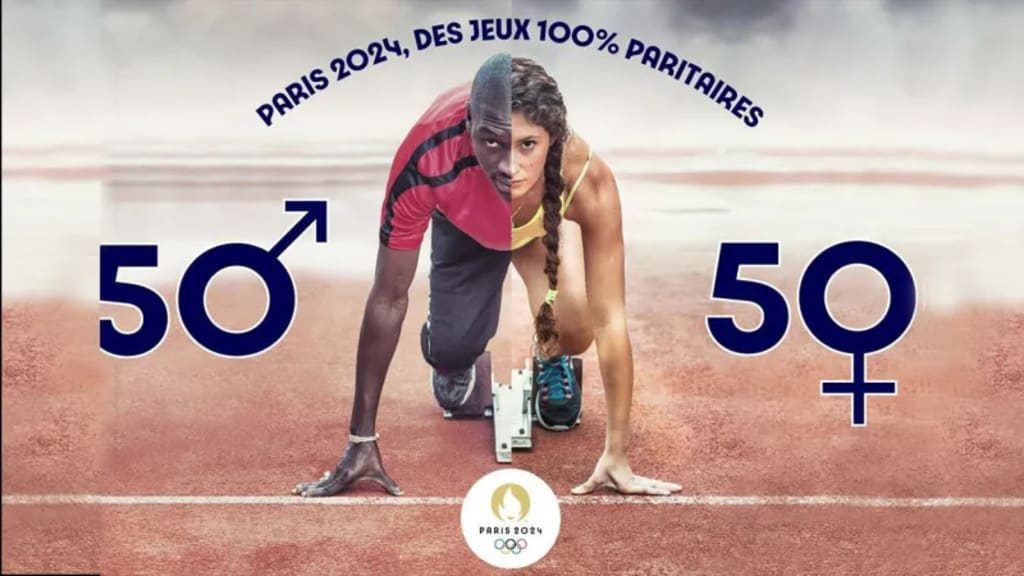
The Olympic Games, a global celebration of athleticism and competition, have long served as a platform for promoting inclusivity and equality. Among the various social causes it has championed, the Olympics has played a pivotal role in advancing gender equality in sports. From its inception to the present day, the journey toward achieving gender parity in the Olympic movement reflects broader societal progress while highlighting the challenges that remain.
Historical Context
The first modern Olympic Games in 1896 excluded women entirely, based on the notion that sports were unsuitable for them. However, the inclusion of women in the 1900 Paris Olympics marked a turning point, albeit on a limited scale. Only 22 women competed, representing just 2.2% of the total participants, and they were restricted to sports deemed "appropriate" for their gender, such as tennis and golf. This discriminatory approach reflected societal attitudes of the time, where women were confined to roles seen as subordinate or complementary to men.
Over the years, persistent advocacy and changing societal attitudes led to incremental progress. By the mid-20th century, the participation of women in the Olympics had steadily increased, with the introduction of female events in athletics, swimming, and gymnastics. The inclusion of more disciplines highlighted the growing recognition of women's capabilities in diverse sports, albeit with ongoing resistance in traditionally male-dominated areas.
Milestones in Gender Equality
The Olympics have served as a barometer for gender equality in sports, with several milestones marking its progress:
Increased Participation: The London 2012 Olympics was a landmark event where, for the first time, every participating country included women athletes in their delegations. This achievement underscored the universal recognition of women's right to compete on the global stage.
Expansion of Events: The introduction of women’s events in sports like boxing (2012) and wrestling (2004) symbolized breaking traditional barriers. This expansion allowed women to showcase their talent in disciplines previously reserved for men, challenging stereotypes and societal norms.
Gender Parity Goals: The International Olympic Committee (IOC) has actively pursued gender parity in participation. The Tokyo 2020 Olympics (held in 2021 due to the pandemic) achieved near-equal representation, with women comprising 48.8% of the athletes. Efforts included balancing the number of events for men and women and introducing mixed-gender events in disciplines like swimming, track and field, and archery.
Leadership Representation: Beyond the field, the Olympics has also focused on increasing female representation in sports governance. The IOC set targets to achieve 30% female representation in decision-making roles, a critical step in shaping policies that support gender equality.
Impact of the Olympics on Gender Equality
The Olympics has had a profound impact on gender equality, both within and beyond the realm of sports.
Breaking Stereotypes: The visibility of women athletes excelling in diverse disciplines has challenged traditional gender roles and inspired millions of girls worldwide. Icons like Simone Biles in gymnastics, Allyson Felix in track and field, and PV Sindhu in badminton have become role models, proving that women can achieve excellence in any field.
Cultural Shifts: The Olympics has pushed countries with restrictive gender norms to rethink their stance on women’s participation in sports. For example, Saudi Arabia’s decision to send female athletes to the London 2012 Games was a significant step in addressing gender inequality within the country.
Economic Opportunities: Success in the Olympics often translates into increased sponsorship and professional opportunities for women athletes, fostering financial independence and greater recognition.
Advocacy for Equity: The Olympics amplifies discussions on gender pay gaps, access to training facilities, and the importance of equal treatment in sports. These conversations influence policies, encouraging governments and organizations to invest in women’s sports.
Challenges and Criticisms
Despite significant progress, challenges persist. Women athletes often face disparities in pay, media coverage, and sponsorship compared to their male counterparts. For instance, female winners in some sports receive lower prize money, and their achievements are frequently overshadowed by narratives focused on their appearance rather than performance.
Moreover, cultural and societal barriers still prevent many women from participating in sports. Issues like limited access to facilities, lack of female coaches, and societal expectations continue to hinder progress, particularly in developing nations.
The Olympics itself has faced criticism for failing to address some of these issues comprehensively. For instance, debates around dress codes in sports like gymnastics and beach volleyball highlight ongoing struggles to ensure that women athletes have autonomy and are not objectified.
The Road Ahead
The future of gender equality in sports requires sustained effort. The IOC must continue to lead by example, ensuring equal opportunities for women in participation, representation, and recognition. Initiatives like gender-neutral events and increased investment in women’s sports can further promote equality.
Equally important is the role of media and sponsorships in creating an environment where women athletes receive the same visibility and financial support as their male counterparts. Governments and sports organizations must work together to eliminate systemic barriers, ensuring that girls and women worldwide have access to the resources and opportunities needed to excel.
In The End
The Olympics has been a powerful catalyst for gender equality in sports, symbolizing the broader struggle for women’s rights. While significant strides have been made, achieving true parity requires addressing the structural and cultural challenges that persist. By continuing to champion inclusivity, the Olympic movement can inspire a world where gender equality in sports is not just a goal but a reality.
About the Creator
Badhan Sen
Myself Badhan, I am a professional writer.I like to share some stories with my friends.
Keep reading
More stories from Badhan Sen and writers in Gamers and other communities.
HOW THE OLYMPICS CAN REVITALIZE URBAN AREAS POST-GAMES
The Olympics, one of the most prestigious global events, has the potential to transform urban areas significantly. While much of the attention is on the games themselves, their legacy can leave a profound and lasting impact on host cities. Historically, some Olympic cities have faced challenges such as unused venues and financial losses after the games. However, with strategic planning and a vision for long-term growth, the Olympics can revitalize urban areas post-games, fostering economic development, social inclusion, and environmental sustainability.
By Badhan Senabout a year ago in Gamers
Dodgers
The Los Angeles Dodgers have long been one of the most influential franchises in MLB, known for combining elite player development with the financial flexibility to pursue top-tier talent. From consistent postseason appearances to being counted among recent World Series winners, the Dodgers continue to shape league-wide conversations. As the new season approaches, Dodgers news is once again dominated by roster construction, payroll discussions, and persistent MLB trade rumors—especially those surrounding Kyle Tucker. The Dodgers’ Identity in Modern MLB Few teams balance tradition and innovation quite like the LA Dodgers. Their front office has mastered analytics while still valuing star players who can deliver in October. The current Dodgers roster reflects that philosophy, blending established veterans with emerging talent. Over the years, names like Cody Bellinger have defined eras of success, while new possibilities continue to fuel speculation. The Dodgers’ ability to remain competitive is also tied to their willingness to maintain a high Dodgers payroll. While they are not reckless spenders, they are strategic—targeting players who can elevate both performance and brand value. Kyle Tucker and Why He Fits the Dodgers Narrative Among the most discussed names in recent MLB rumors is Kyle Tucker. A consistent offensive presence and reliable defender, Tucker has emerged as one of the most complete players in modern baseball. Naturally, that has led to growing interest in a potential Kyle Tucker Dodgers scenario. So, what position does Kyle Tucker play? Tucker is primarily a right fielder, though his athleticism allows flexibility across the outfield. That versatility makes him especially attractive to teams like the Dodgers, who value adaptable Dodgers outfielders capable of handling high-pressure situations. The phrase “Tucker baseball” has become shorthand for a balanced skill set: power, patience, and postseason reliability. It’s no surprise that Kyle Tucker news often trends alongside big-market teams. Contracts, Agents, and the Cost of Stardom Any serious discussion of Tucker to Dodgers inevitably leads to contract considerations. The idea of a Kyle Tucker contract Dodgers deal raises questions about years, value, and long-term impact. While no official Kyle Tucker deal has been announced, speculation continues around what such a move would require. The Kyle Tucker agent would likely prioritize both financial security and a winning environment—two things the Dodgers can credibly offer. Still, committing to a potential Kyle Tucker Dodgers contract would require careful planning, especially with other stars already on the books. Misspellings like kyle.tucker, kyle tuxker, or even kyke tucker frequently appear in online searches, underscoring just how much attention surrounds him across the baseball world. How Tucker Could Shape the Dodgers Lineup If a Dodgers Tucker scenario ever materializes, it would have a major impact on the Dodgers lineup. A projected middle-of-the-order bat like Tucker could slot seamlessly into a Dodgers projected lineup, offering protection for existing stars and adding depth in late-game situations. Comparisons have been drawn between Tucker and former Dodgers standouts like Bellinger, particularly in terms of two-way impact. While Cody Bellinger brought elite defense and timely power, Tucker offers a more consistent offensive profile year over year. Competition From the Mets and Other MLB Teams Of course, the Dodgers are not alone in pursuing elite talent. The NY Mets, backed by owner Steve Cohen, have made it clear they are willing to spend aggressively. Mets news often mirrors Dodgers news, especially when it comes to top-tier MLB free agents and trade targets. Names like Edwin Diaz and Bo Bichette frequently appear in league-wide discussions, highlighting how interconnected roster decisions have become. Any move involving Tucker would likely ripple across the league, influencing strategies for teams like the Mets, who remain active in both free agency and trades. MLB Trade Rumors and the Bigger Picture Sites such as MLBTradeRumors regularly analyze scenarios involving Kyle Tucker to Dodgers, though nothing has been confirmed. These rumors reflect a broader truth: elite players drive conversation, even when deals never materialize. The Dodgers understand that not every rumor becomes reality. Still, being linked to players like Tucker reinforces the team’s image as a perennial contender. Whether through trades or internal development, the goal remains the same—build a roster capable of winning another championship. Looking Ahead: What This Means for the Dodgers As the season unfolds, the Dodgers will continue to evaluate opportunities that align with their long-term vision. The idea of Dodgers Kyle Tucker is compelling, but it’s only one chapter in a much larger story about sustained excellence. With a deep farm system, financial flexibility, and a proven track record, the Los Angeles Dodgers remain at the center of MLB news. Whether or not Tucker ever wears Dodger blue, the conversations surrounding him highlight how the franchise continues to influence the direction of the league. In the end, the Dodgers’ success has never hinged on a single move. It’s about smart decisions, calculated risks, and an unwavering commitment to winning—qualities that keep them relevant, respected, and always worth watching.
By Saboor Brohi 4 days ago in Gamers



Comments (1)
Great work on this article, but equality should be shown to male and female and trans and other identities as well.