
THE ROLE OF THE OLYMPIC IN FUTURE GLOBAL CULTURAL DIPLOMACY
Shaping International Relational and Promoting Cross-Cultural Understanding Through Sports

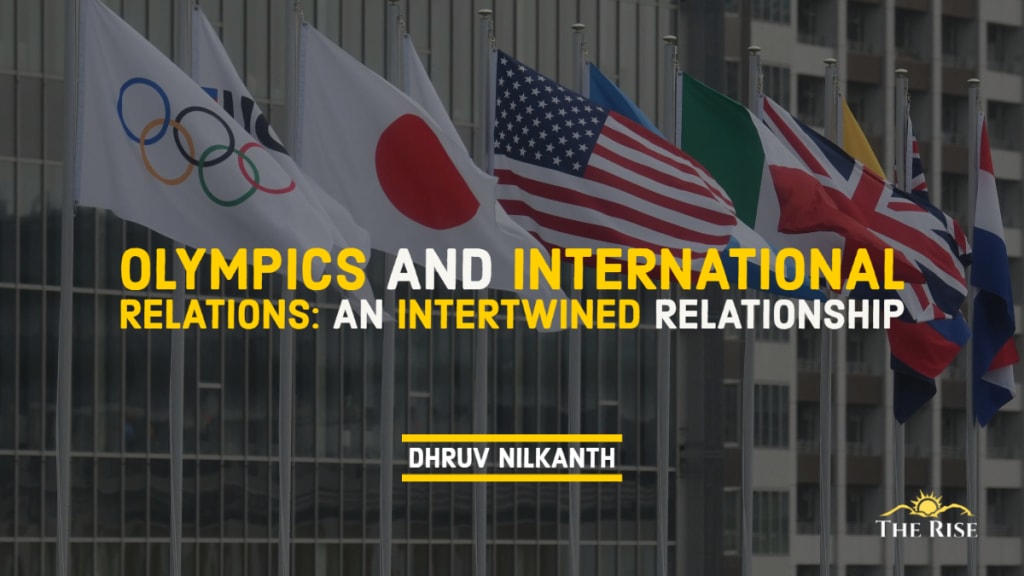
The Olympic Games, established in 1896, have evolved into one of the world’s most significant sporting events, transcending the realms of athletic competition to become a powerful tool for global cultural diplomacy. Cultural diplomacy, which seeks to foster mutual understanding and positive relations between nations through cultural exchange, finds a natural platform in the Olympics. As we look toward the future, the Games will continue to play a crucial role in shaping international relations, promoting peace, and facilitating global cultural dialogue. The future of the Olympics in cultural diplomacy will likely see a blend of tradition and innovation, with new challenges and opportunities arising from geopolitical shifts, technological advancements, and societal changes.
A Platform for Global Unity
One of the core values of the Olympic Games is the promotion of peace and unity among nations. In a world marked by geopolitical tensions and cultural divisions, the Olympics serve as a rare occasion where athletes from nearly every country come together under a banner of mutual respect and shared humanity. By fostering cross-cultural interactions, the Games provide an avenue for cultural diplomacy that emphasizes cooperation over conflict. Whether through the opening ceremonies, athlete exchanges, or the presence of diverse cultures in the global media spotlight, the Olympics embody the idea of the world as a Global community.
As the Olympics continue to grow, so does their capacity to act as a bridge between cultures. For instance, the Games often feature cultural exhibitions, performances, and interactions that showcase the host nation’s traditions and heritage. At the same time, international athletes bring their own cultural identities to the stage, contributing to a rich tapestry of global exchange. In this way, the Olympics are not only a sporting competition but also a cultural forum where countries share their heritage, ideals, and values.
Economic and Political Influences
Cultural diplomacy is not immune to the influence of politics and economics, and the Olympics, as a highly publicized international event, are deeply intertwined with these forces. The future of the Games will inevitably be shaped by the economic and political decisions of both the International Olympic Committee (IOC) and the host countries. Hosting the Olympics is a significant undertaking, often requiring billions of dollars in infrastructure development, which can act as a catalyst for economic growth and tourism. However, the immense costs also raise questions about the equitable distribution of resources, as well as the ethical implications of investing in large-scale events during times of social or political unrest.
Political tensions also affect how the Olympics function as a vehicle for cultural diplomacy. In some cases, countries use the Olympics as a platform to assert their political ideologies or showcase national pride. The most notable example is the 1936 Berlin Olympics, where Nazi Germany utilized the event for propaganda purposes. More recently, the 2008 Beijing Olympics were seen as a showcase of China’s rise on the global stage. Similarly, the 2020 Tokyo Olympics were marred by the global COVID-19 pandemic, impacting the cultural exchange that typically occurs.
In the future, the IOC will need to balance the Games’ role as a diplomatic tool with the Geopolitical realities that influence their success. In an era of increasing nationalism and political division, the Olympics may need to adopt more neutral and inclusive strategies to maintain their status as a symbol of international collaboration.
Technological Advancements and Virtual Diplomacy
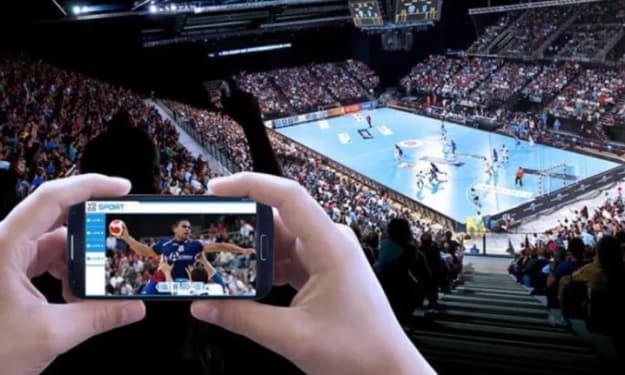
The rise of technology has had a profound impact on the Olympics and will continue to influence their role in global cultural diplomacy. Virtual reality, augmented reality, and other digital innovations are already transforming how people experience the Games. These technological advancements provide an opportunity for a more inclusive and accessible Olympics, allowing people from all over the world to engage with the Games in new and exciting ways. Virtual platforms could offer a more immersive cultural experience, bridging the gap between spectators and athletes, and providing insight into the cultures of participating nations.
Moreover, the integration of social media into the Olympic experience has already changed the nature of cultural diplomacy. Athletes use platforms like Twitter, Instagram, and TikTok to connect with fans worldwide, offering real-time cultural exchanges that go beyond the confines of the Games themselves. In the future, digital engagement will likely increase, creating new spaces for cultural dialogue that extend the influence of the Olympics far beyond the physical event.
Sustainability and Social Responsibility
As the world confronts environmental challenges, the Olympics will also need to adapt to the growing demand for sustainability and social responsibility. The future of Olympic cultural diplomacy will include a stronger emphasis on environmental stewardship, human rights, and community engagement. Hosting countries will be under pressure to ensure that the Games are not only a celebration of athleticism and culture but also a platform for promoting sustainable development.
The 2024 Paris Olympics, for example, have already made strides in addressing environmental concerns, with initiatives focused on reducing waste, promoting renewable energy, and minimizing the carbon footprint.
In The End
The Olympics are not just a celebration of sports; they are a dynamic arena for global cultural diplomacy. As the world continues to change, so too will the Games' role in shaping international relations and fostering cultural exchange. By embracing technological advancements, promoting sustainability, and navigating the complexities of global politics, the Olympics will remain a vital force in the quest for mutual understanding, peace, and cooperation. The future of the Olympics as a tool for cultural diplomacy holds great potential, offering a platform for nations to unite, share their unique identities, and build bridges in an increasingly interconnected world.
About the Creator
Badhan Sen
Myself Badhan, I am a professional writer.I like to share some stories with my friends.
Keep reading
More stories from Badhan Sen and writers in Gamers and other communities.
THE ROLE OF DIGITAL FAN ENGAGEMENT IN THE FUTURE OF THE OLYMPICS
The Olympic Games, one of the most celebrated global sporting events, have undergone significant transformations over the years. Traditionally, the Olympics were a physical spectacle, with viewers gathering in stadiums or watching on television. However, as digital technologies have evolved, so too have the ways fans interact with the Games. Digital fan engagement has become an essential component of the Olympic experience, providing new opportunities for interaction, personalization, and global reach. In the future, the role of digital fan engagement will continue to grow, influencing everything from how fans consume content to the way the Olympics are organized and experienced.
By Badhan Senabout a year ago in Gamers
Essential Golf Tips Every Beginner Needs to Improve Their Game
Golf is a rewarding sport that combines skill, patience, and strategy. For beginners, the game can feel challenging because it requires mastering several techniques at once. Many new golfers focus too much on hitting the ball far instead of learning the fundamentals that lead to consistent performance. Improvement comes from developing good habits early, practicing with purpose, and understanding how each part of the game works together. With the right approach and consistent effort, beginners can build confidence and steadily improve their performance on the course.
By Daniel Ladner4 days ago in Gamers
7 Methods to Earn MLB The Show 26 Stubs Fast
In MLB The Show 26, stubs are the in-game currency that players use to purchase packs, cards, and other valuable items. Earning stubs can be challenging, but with the right strategies, you can accumulate them efficiently. Here are seven methods to help you earn stubs quickly without feeling overwhelmed.
By Snow maner3 days ago in Gamers
Top tipple tricks
Been thinking a lot about drinking, lately. Not least because of a recent episode of over-indulgence and the inevitable after effects. Some readers may recall the earlier articles I wrote about beating the booze. Here I set out an experiment in techniques for cutting down on my alcohol intake. The experiment was successful, the techniques worked, and I have armed myself with an arsenal of weapons in the war against the demon drink. I have yet to fire the first round however. It's all a question of timing (perhaps procrastination).
By Raymond G. Taylor7 days ago in Psyche



Comments
There are no comments for this story
Be the first to respond and start the conversation.