
THE ROLE OF DIGITAL FAN ENGAGEMENT IN THE FUTURE OF THE OLYMPICS
Exploring the Impact of Digital Innovation on Fan Interaction and Olympic Growth.

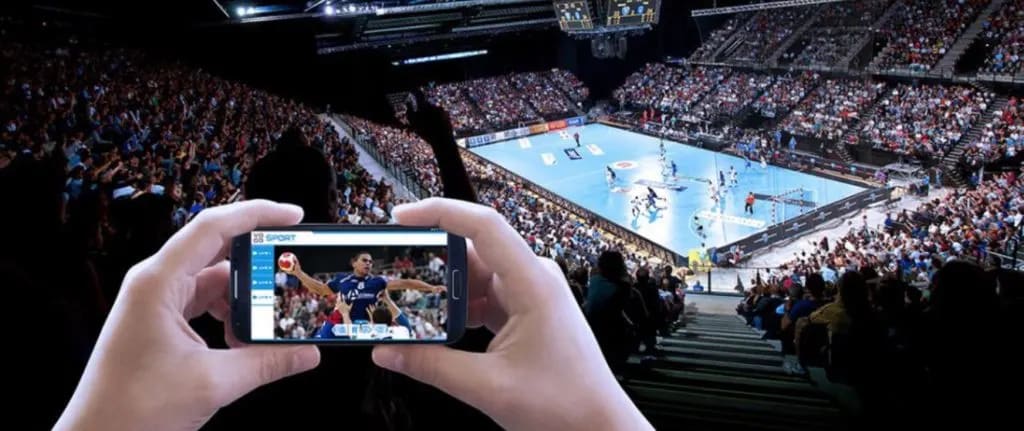
The Olympic Games, one of the most celebrated global sporting events, have undergone significant transformations over the years. Traditionally, the Olympics were a physical spectacle, with viewers gathering in stadiums or watching on television. However, as digital technologies have evolved, so too have the ways fans interact with the Games. Digital fan engagement has become an essential component of the Olympic experience, providing new opportunities for interaction, personalization, and global reach. In the future, the role of digital fan engagement will continue to grow, influencing everything from how fans consume content to the way the Olympics are organized and experienced.
(I)The Evolution of Digital Engagement
The first significant shift toward digital fan engagement occurred in the early 2000s with the rise of the internet and mobile technologies. The International Olympic Committee (IOC) recognized the importance of reaching fans beyond traditional media platforms. Websites, social media channels, and streaming services were developed to engage audiences worldwide. This transformation was most evident during the 2008 Beijing Olympics, which marked the first time that the Olympics were widely streamed online. The event's digital presence was expanded, offering live feeds, interactive content, and social media updates, laying the foundation for what would become a massive digital engagement strategy.
The advent of mobile apps, social media platforms like Twitter, Facebook, and Instagram, and video-sharing services such as YouTube revolutionized fan engagement during the London 2012 and Rio 2016 Olympics. Fans could access live content, interact with athletes, and share their experiences with others in real time. These platforms gave fans a voice, enabling them to be a part of the Games from wherever they were, breaking down geographical and physical barriers.
(II)The Future of Digital Engagement: Personalization and Immersion
Looking ahead, the future of digital fan engagement in the Olympics will be characterized by a more immersive, personalized, and interactive experience. Advances in technology such as augmented reality (AR), virtual reality (VR), and artificial intelligence (AI) are expected to transform how fans experience the Games.
- Augmented and Virtual Reality: AR and VR technologies hold the potential to bring fans closer to the action. Imagine watching an Olympic event from your home, but through VR, you can feel as if you are sitting in the stadium, experiencing the atmosphere in a fully immersive environment. Similarly, AR can enhance live broadcasts by overlaying real-time data, statistics, and athlete profiles directly onto a fan's screen or even the physical world around them. This creates a more interactive and engaging viewing experience, allowing fans to explore the event from different angles and perspectives.
- Artificial Intelligence and Personalization: AI-driven tools will further personalize the fan experience. With machine learning algorithms, the Olympics could offer tailored content based on a fan's preferences, including specific sports, athletes, or countries they follow. AI could help curate highlights and updates, creating a custom feed for each user. This level of personalization will allow fans to feel more connected to the event, providing a greater sense of ownership over their Olympic experience. Furthermore, AI could facilitate more engaging interactions with fans, such as chatbots that provide real-time information or virtual assistants that offer insights into the Games.
- Fan-Driven Content Creation: As platforms like TikTok and Instagram continue to grow in popularity, user-generated content (UGC) will play an increasingly important role in Olympic fan engagement. The IOC is already encouraging fans to share their experiences and create content related to the Games. In the future, this could evolve into a more dynamic and collaborative process, where fans can contribute directly to the official Olympic narrative. For example, fans could create real-time commentary, share unique behind-the-scenes footage, or even influence certain aspects of the broadcast through live voting or interaction with athletes and organizers.
(III)Global Reach and Inclusivity
One of the most significant advantages of digital fan engagement is its ability to transcend borders. The Olympics, as a global event, can now reach fans in every corner of the world, ensuring inclusivity and accessibility. Through streaming platforms, fans no longer have to rely on traditional broadcasters or be limited by time zones. They can watch events live or on-demand, ensuring they don’t miss out on any of the action.
In addition, digital engagement fosters a more inclusive environment for fans with disabilities. Technologies like closed captioning, audio descriptions, and sign language interpreters can be integrated into streaming platforms, allowing people with visual or hearing impairments to enjoy the Games. The ability to provide real-time translations into different languages further broadens the accessibility of the Olympics, making it more inclusive to Global audiences.
(IV)Challenges and Opportunities
While the future of digital fan engagement presents exciting opportunities, there are also challenges. Data privacy concerns, the digital divide, and the risk of over-commercialization are some of the issues that could affect the direction of digital engagement. The IOC will need to balance the monetization of digital platforms with ensuring equitable access to the Games for all fans.
Moreover, as digital engagement becomes more immersive, the line between virtual and physical experiences may blur. The challenge will be to create a seamless integration of both worlds to ensure that the physical and digital experiences complement each other rather than detract from one another.
In The End
Digital fan engagement will continue to be a cornerstone of the Olympic Games' evolution. From offering immersive experiences with AR and VR to using AI to personalize content, the future of fan interaction will be more dynamic and inclusive than ever before. The Olympics will be able to reach a global audience like never before, creating new ways for fans to connect with athletes and the spirit of competition. As technology continues to evolve, the Olympics will need to adapt and innovate, ensuring that digital engagement remains at the forefront of the Games' future.
About the Creator
Badhan Sen
Myself Badhan, I am a professional writer.I like to share some stories with my friends.
Keep reading
More stories from Badhan Sen and writers in Gamers and other communities.
HOW THE OLYMPICS WILL DEAL WITH FUTURE PUBLIC HEALTH CONCERNS
The Olympic Games are among the most significant international sporting events, drawing attention from millions of fans, athletes, and nations. The challenges posed by the COVID-19 pandemic revealed the vulnerability of large-scale events to global health crises and sparked a wave of debate about how the Olympics will adapt to future public health concerns. As the world continues to face evolving health challenges, the International Olympic Committee (IOC) and host cities will need to develop strategies to mitigate health risks and ensure the safety of participants and spectators. This article explores how the Olympics might handle public health concerns in the future.
By Badhan Senabout a year ago in Gamers
Rsvsr How Daily Events and Golden Blitz Help You Progress Faster in Monopoly GO!
At first glance, Monopoly GO! looks like a simple roll-and-move game, but anyone who has played for a while knows there’s much more going on under the surface. Daily events are what turn routine gameplay into something strategic and rewarding. Instead of logging in just to roll dice, players who pay attention to events often progress faster and enjoy the game more overall.
By Billo Nali5 days ago in Gamers
How, Too
Many people wonder how, too. You are not alone, and I am an expert. I will teach you how, too! First, you need to remit a small application fee and fill out an application describing the nature of your financial situation and how often payments will be made, as this will have great bearing on how well I teach you how, too.
By Harper Lewis3 days ago in Fiction




Comments
There are no comments for this story
Be the first to respond and start the conversation.