
THE OLYMPICS AS A PLATFORM FOR POLITICAL ACTIVISM
Highlighting Global Issues and Fostering Change Through the Power of Sport.

The Olympic Games have long been a global stage for athletic excellence, cultural exchange, and international cooperation. However, they have also served as a powerful platform for political activism, where athletes, nations, and movements have used the world’s attention to highlight issues of social justice, inequality, and human rights. This duality—sport as a unifying force and as a vehicle for dissent—has shaped the legacy of the Olympics in profound ways.
Historical Precedents of Activism
Political activism at the Olympics is not a new phenomenon. One of the earliest and most notable examples occurred during the 1936 Berlin Olympics, hosted by Nazi Germany. African-American athlete Jesse Owens’s four gold medal victories defied Adolf Hitler’s narrative of Aryan supremacy, making a powerful statement about racial equality. Owens’s triumph resonated worldwide, challenging the oppressive ideology of the host nation.
Another landmark moment came during the 1968 Mexico City Olympics. American athletes Tommie Smith and John Carlos raised their fists in a Black Power salute during the medal ceremony for the 200-meter sprint. Their gesture was a protest against racial discrimination and a call for civil rights in the United States. Although they faced backlash, their silent protest became an enduring symbol of resistance and courage.
The Role of Nations in Political Statements
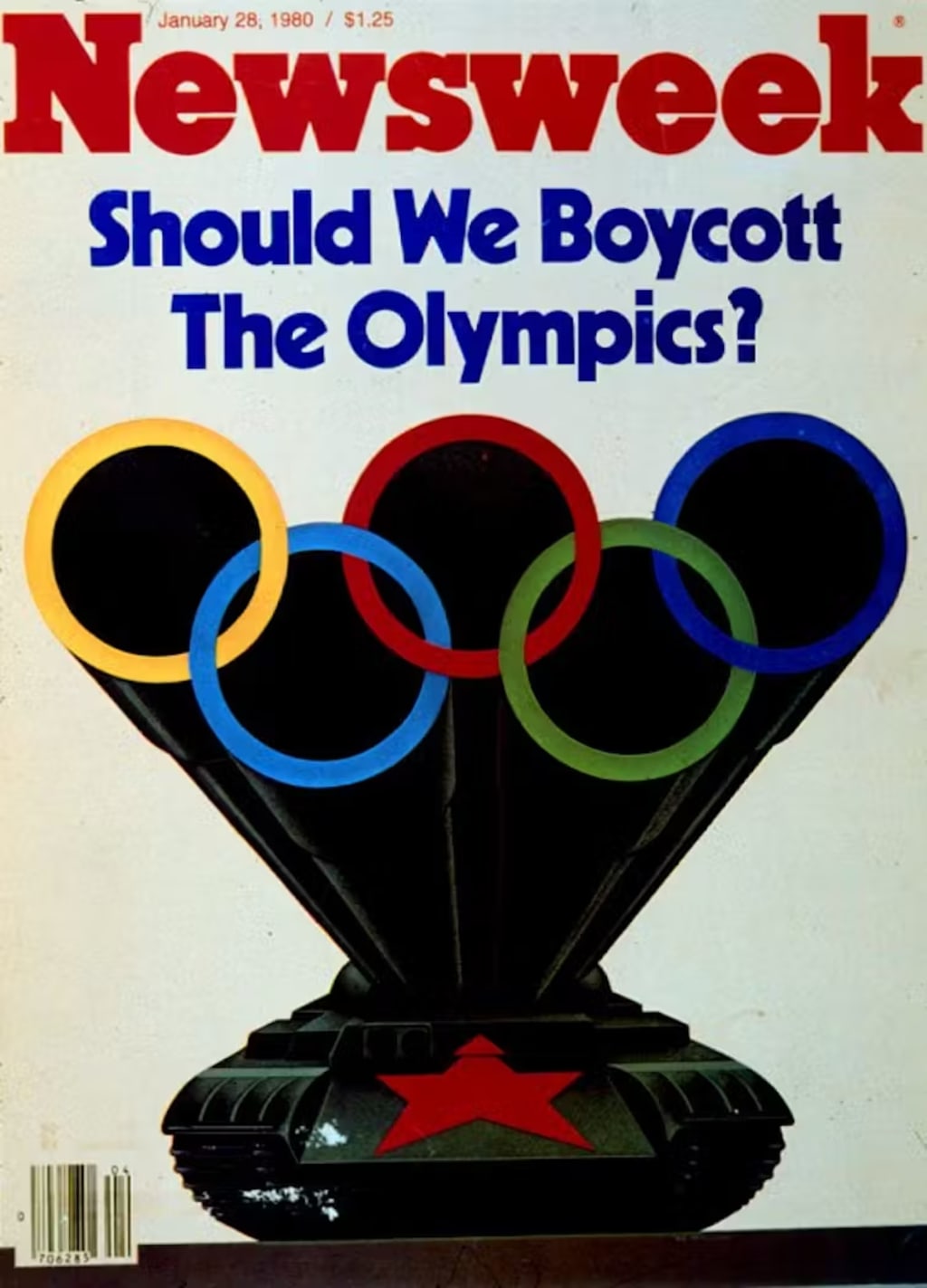
Entire nations have also used the Olympics to make political statements. The most prominent example is the United States-led boycott of the 1980 Moscow Olympics in protest against the Soviet Union’s invasion of Afghanistan. In response, the Soviet Union and its allies boycotted the 1984 Los Angeles Olympics. These boycotts underscored the Cold War tensions that overshadowed global politics during that era, demonstrating how the Olympics could serve as a battleground for ideological disputes.
Similarly, South Africa was excluded from the Olympics from 1964 to 1988 due to its apartheid policies. This exclusion reflected the global condemnation of institutionalized racial segregation and served as a form of international pressure on the South African government.
Athletes as Advocates
In recent years, individual athletes have increasingly embraced the Olympics as a platform for advocacy. This shift reflects a broader trend in sports where athletes are no longer expected to remain apolitical. For example, during the 2021 Tokyo Olympics, U.S. shot-putter Raven Saunders crossed her arms in an “X” symbol on the podium to represent the intersection of oppressed communities. Her gesture highlighted the ongoing struggles for racial, gender, and LGBTQ+ equality.
Similarly, the International Olympic Committee’s (IOC) Rule 50, which prohibits political demonstrations on the field of play, has faced growing scrutiny. Critics argue that this rule stifles free expression, particularly for athletes who wish to draw attention to pressing global issues. The IOC’s stance reflects the tension between preserving the apolitical image of the Olympics and acknowledging the realities of the modern world, where sports and politics are inextricably linked.
The Global Reach of Activism
The Olympics’ unique global audience amplifies the impact of political activism. With billions of viewers from diverse cultural and political backgrounds, the Games offer unparalleled visibility for causes that might otherwise remain marginalized. This reach has enabled athletes and movements to spark international conversations and influence public opinion.
For example, the Beijing Olympics in 2008 drew attention to China’s human rights record, including its policies in Tibet and Xinjiang. Activists used the global spotlight to call for accountability, while some athletes subtly voiced their concerns despite strict regulations. Similarly, the 2022 Winter Olympics in Beijing faced boycotts and criticism over China’s alleged human rights abuses, highlighting how the host nation’s policies can overshadow the event.
Challenges and Controversies
Despite its potential, political activism at the Olympics is fraught with challenges. Athletes who protest risk facing penalties, public backlash, or even the end of their careers. For instance, Tommie Smith and John Carlos were expelled from the 1968 Olympics and ostracized for years. Additionally, host nations often suppress dissent to project an image of unity and strength, further complicating the landscape for activism.
There is also the question of fairness. Critics argue that politicizing the Olympics detracts from the spirit of the Games, which are meant to promote unity and goodwill. Balancing this ideal with the need to address pressing global issues remains a contentious debate.
The Future of Political Activism at the Olympics
As the world becomes more interconnected and issues such as climate change, inequality, and human rights dominate global discourse, the Olympics will likely continue to be a platform for political activism. The IOC faces the challenge of adapting its policies to reflect modern realities while preserving the essence of the Games.
One potential solution is fostering dialogue rather than imposing blanket bans on political expression. Allowing athletes to express their views in designated spaces or moments could strike a balance between free speech and the Games’ unifying mission. Additionally, leveraging the Olympics’ global reach to highlight universal values such as equality, justice, and sustainability could align activism with the event’s core principles.
In The End
The Olympics’ role as a platform for political activism underscores the power of sports to transcend boundaries and drive social change. From Jesse Owens to Tommie Smith, Raven Saunders, and countless others, athletes have used the Games to challenge injustice and inspire progress.
About the Creator
Badhan Sen
Myself Badhan, I am a professional writer.I like to share some stories with my friends.
Keep reading
More stories from Badhan Sen and writers in Gamers and other communities.
THE 1936 BERLIN OLYMPICS AS NAZI PROPAGANDA
The 1936 Berlin Olympics, officially known as the Games of the XI Olympiad, were a pivotal moment in both sports history and global politics. Hosted in Nazi Germany, these games were not only a showcase of athletic excellence but also served as a powerful propaganda tool for Adolf Hitler and the Nazi regime. By leveraging the global stage provided by the Olympics, the Nazis sought to project an image of strength, unity, and cultural superiority, while masking the regime’s oppressive policies and intentions.
By Badhan Senabout a year ago in Gamers
The Real Life of Professional Poker Players Explained
The world of professional poker often appears fascinating to people who observe it from the outside. Televised tournaments, casino environments, and online poker streams have created a public image that portrays poker professionals as fearless gamblers who enjoy massive winnings and glamorous lifestyles. This image has inspired many people to dream of turning poker into a full-time career.
By Micah Raskin5 days ago in Gamers


Comments (1)
What a great essay and I believe one should believe what they want to believe in and share if it isn't hurting anyone.