
THE ROLE OF SOCIAL MEDIA IN THE 2020 TOKYO OLYMPICS
Amplifying Global Engagement:Social Media's Impact on the 2020 Tokyo Olympics.

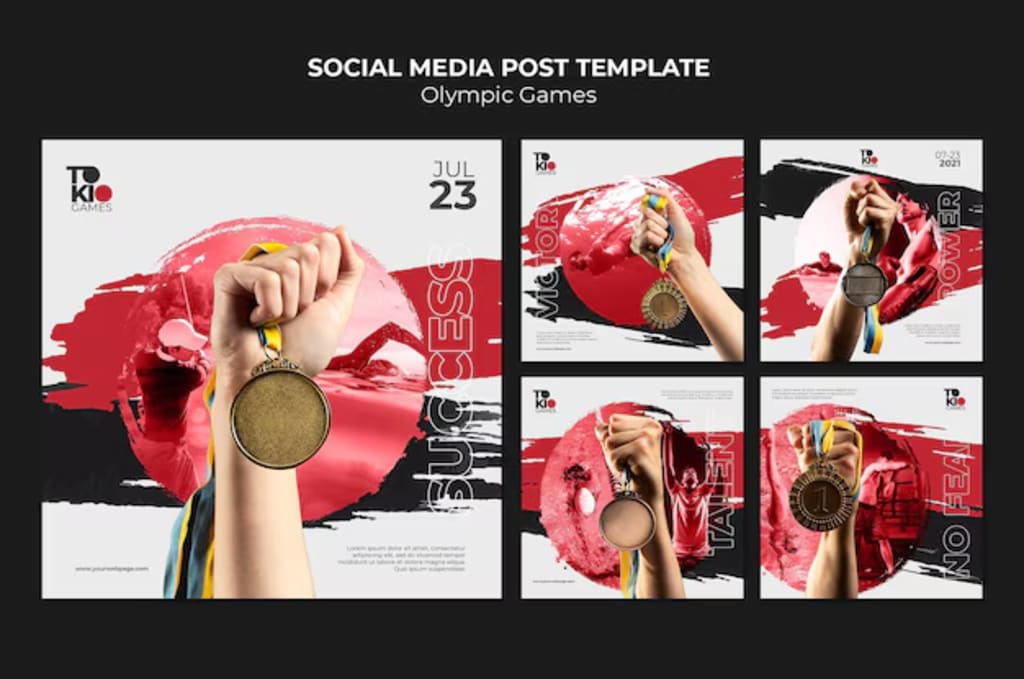
The 2020 Tokyo Olympics, held in 2021 due to the COVID-19 pandemic, was a landmark event in sports history. Amid strict restrictions and the absence of in-person audiences, social media became a crucial tool for athletes, fans, and organizations, reshaping how the world engaged with the Games. The integration of social media with the Olympics highlighted its role as a platform for connection, promotion, and expression, demonstrating its power to transcend physical barriers and create a virtual Olympic community.
Connecting Fans Globally
Social media provided a lifeline for fans who could not attend the Games due to pandemic-related restrictions. Platforms like Twitter, Instagram, Facebook, and TikTok became hubs where people worldwide could follow updates, share excitement, and support their favorite athletes.
Fans actively participated in discussions using hashtags like #Tokyo2020 and #Olympics, which trended globally throughout the event. Olympic highlights, athlete interviews, and behind-the-scenes glimpses were shared instantly, bridging the gap between athletes and audiences. This engagement fostered a sense of unity and inclusion, embodying the Olympic spirit of bringing nations together.
Athlete Empowerment and Personal Branding
For athletes, social media served as a platform to showcase their journeys, connect with fans, and build personal brands. Athletes like Simone Biles, Naomi Osaka, and Neeraj Chopra leveraged their online presence to share personal stories, training routines, and messages of motivation.
Simone Biles’ decision to prioritize mental health during the Games sparked widespread conversation on social media, garnering both support and debate. Her candid posts opened a global dialogue on athlete well-being, highlighting the human side of sports beyond competition. Similarly, Indian javelin thrower Neeraj Chopra’s social media presence amplified his victory, transforming him into a national icon.
TikTok emerged as a popular platform for athletes, who used it to share lighter, candid moments, allowing fans to see a more relatable side of their favorite competitors. This direct engagement helped humanize athletes and created stronger connections with their audience.
Promotion and Sponsorships
The International Olympic Committee (IOC) and official sponsors used social media to amplify their reach and maximize visibility. Campaigns like #StrongerTogether underscored themes of resilience and unity, resonating with audiences navigating a global crisis.
Brands such as Coca-Cola, Toyota, and Visa utilized platforms like Instagram and Twitter to run interactive campaigns, sponsor athlete posts, and share Olympic-themed content. The integration of augmented reality (AR) filters, live streams, and user-generated content created immersive experiences, ensuring high levels of audience participation.
The partnership between social media platforms and broadcasters further enhanced accessibility. NBC, the official broadcaster in the United States, used YouTube and Twitter to share highlight reels, while Instagram Stories offered real-time updates, polls, and interactive features.
Highlighting Underdog Stories and Social Issues
Social media amplified lesser-known athletes and sports, democratizing visibility. Stories like Philippines weightlifter Hidilyn Diaz’s historic gold medal and Fiji’s rugby victory captured global attention, showcasing how social media celebrates diversity and perseverance.
Additionally, the 2020 Tokyo Olympics saw social media being used as a platform for social and political expression. Athletes addressed issues such as racial equality, gender inclusivity, and mental health, using their platforms to promote change. The hashtag #BlackLivesMatter gained prominence as athletes kneeled or made statements during events.
While such activism was celebrated by many, it also stirred controversy, highlighting the intersection of sports and politics on a global stage. Nevertheless, social media allowed for these conversations to gain momentum, reflecting its dual role as both a connector and a catalyst for change.
Challenges and Criticisms
While social media played a transformative role, it was not without challenges. Cyberbullying and trolling emerged as significant issues. Athletes like Novak Djokovic and Naomi Osaka faced online abuse after losses, raising concerns about the mental health impact of social media.
Misinformation and copyright violations were also challenges. Unauthorized clips and fake news about the Games occasionally spread on platforms, prompting stricter monitoring by the IOC and social media companies. Despite these hurdles, the benefits of social media in fostering global engagement largely outweighed its drawbacks.
The Future of Social Media in Global Events
The Tokyo Olympics underscored the potential of social media to redefine how global events are experienced. The lessons learned from these Games are likely to influence future Olympics, with even greater integration of digital tools expected. Features like virtual reality (VR) experiences, real-time fan interactions, and AI-driven content personalization could enhance future Games, ensuring broader accessibility and inclusivity.
In The End
The 2020 Tokyo Olympics was a testament to the power of social media in overcoming physical barriers and creating a global community. By enabling real-time engagement, amplifying athlete voices, promoting underrepresented stories, and fostering unity, social media proved indispensable in shaping the Olympic experience. As technology continues to evolve, its role in sports and global events will undoubtedly grow, further enriching the way the world connects and celebrates shared moments of triumph.
About the Creator
Badhan Sen
Myself Badhan, I am a professional writer.I like to share some stories with my friends.
Keep reading
More stories from Badhan Sen and writers in Gamers and other communities.
THE USE OF DRONES IN OLYMPIC COVERAGE
The Olympic Games, a global celebration of athletic excellence, rely heavily on innovative broadcasting technologies to bring the excitement of the event to millions worldwide. Among the most transformative technologies in recent years is the use of drones for coverage. These aerial devices have revolutionized how the games are filmed, offering viewers unprecedented perspectives, enhancing storytelling, and ensuring comprehensive event coverage.
By Badhan Senabout a year ago in Gamers
Diablo IV Season 11 Class Rankings: The Definitive Guide to Picking Your Hero and Avoiding Early-Game Burnout
With the arrival of Season 11, Diablo IV now boasts seven distinct classes: Sorcerer, Necromancer, Rogue, Barbarian, Druid, Spiritborn, and Paladin. Given the steep price of entry—often around $70—choosing the wrong starter can lead to immediate burnout. This review, based on clearing Pit Tier 55 and reaching Torment IV with every class, aims to help you spend your time and money wisely.
By hasan zidan6 days ago in Gamers
Twilight Ranger and Necromancer: Why This Duo is the 2026 Meta King
High-ladder play in Rush Royale has shifted. If you have logged into the competitive circuit lately, you have likely seen it. A specific, shadowy pairing is crushing the leaderboards and leaving traditional "Twins" or "Inquisitor" builds in the dust.
By Richard Bailey5 days ago in Gamers


Comments (1)
Social media now will always be a part of society as a whole for no one ever puts their phone down for the take them everywhere even into the bathroom.