
The Role of Smart Contracts in Blockchain-Based Ludo Game Development
Ludo Game Development
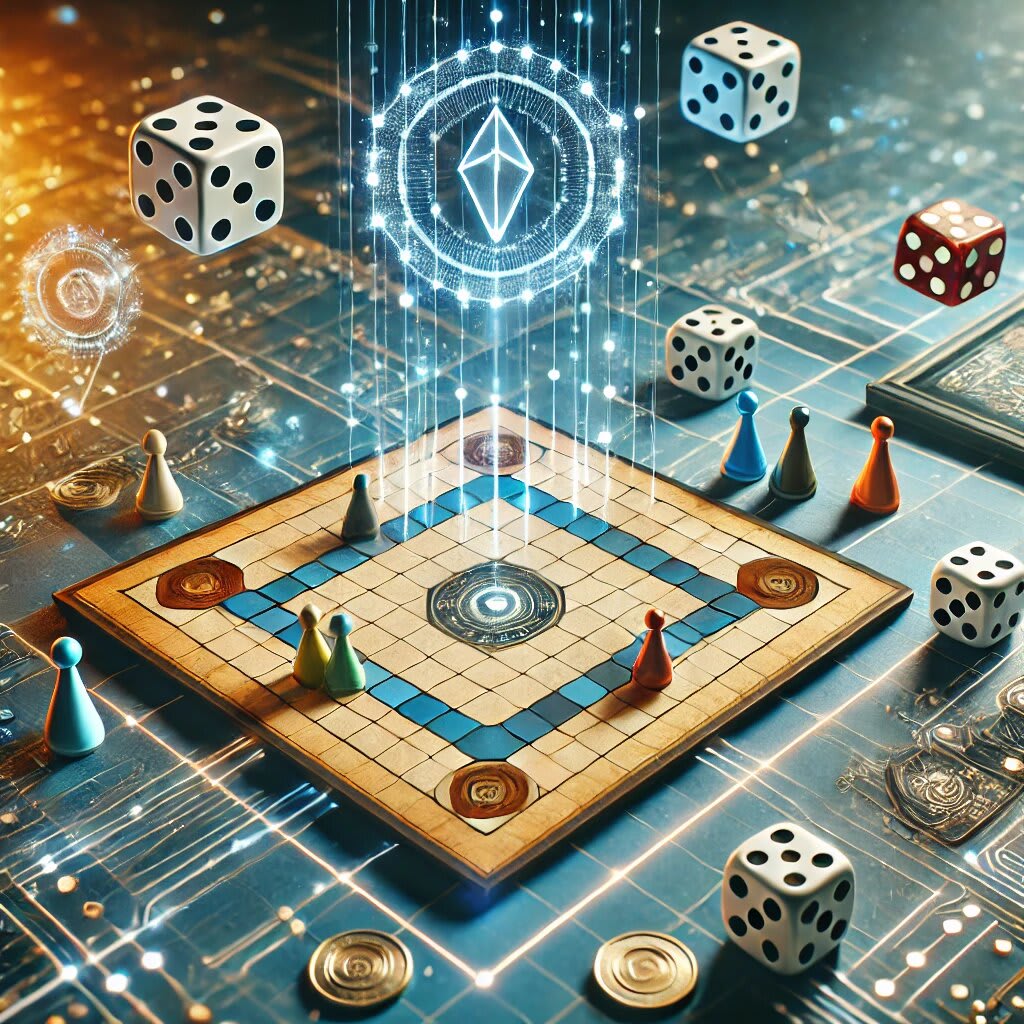
The traditional game of Ludo has been enjoyed by generations as a simple yet thrilling board game. With the rise of blockchain technology, Ludo is experiencing a digital transformation. Blockchain-based Ludo games are introducing concepts like decentralization, transparency, and fairness. At the heart of this innovation lies the power of smart contracts. But what exactly are smart contracts, and how do they enhance Ludo game development?
What Are Smart Contracts?
Smart contracts are self-executing programs stored on a blockchain that automatically enforce agreements based on predefined rules. They eliminate the need for intermediaries by ensuring that all conditions are met before executing transactions or actions. Once deployed, these contracts are immutable, ensuring trust and transparency among participants.
In the context of a blockchain-based Ludo game, smart contracts act as the backbone, managing everything from gameplay mechanics to reward distribution.
Key Roles of Smart Contracts in Ludo Game Development
1. Fair Gameplay and Rule Enforcement
In traditional digital games, game mechanics are controlled by centralized servers, which could potentially be manipulated. Smart contracts remove this risk by encoding game rules directly into the blockchain. For instance:
Ensuring dice rolls are random and unbiased.
Validating player moves according to the game’s rules.
Preventing cheating by verifying every action against predefined conditions.
2. Decentralized Ownership and Rewards
Blockchain-based Ludo games often include play-to-earn (P2E) models, where players can earn cryptocurrency or NFTs (non-fungible tokens) as rewards. Smart contracts automate the distribution of these rewards:
Tokens are awarded instantly upon achieving specific milestones, such as winning a game.
NFT-based rewards, like custom board designs or unique tokens, are securely transferred to the player's wallet.
3. Transparent and Trustworthy Environment
Smart contracts provide transparency, as all transactions and game mechanics are recorded on a public ledger. Players can verify that:
Dice rolls are genuinely random.
Rewards are distributed fairly.
No player has an unfair advantage.
This transparency fosters trust among users, a crucial factor in attracting and retaining players.
4. Automated Transactions
With smart contracts, in-game transactions become seamless. Players can use cryptocurrency to:
Pay entry fees for tournaments.
Purchase power-ups or customizations.
Cash-out rewards securely and quickly.
Smart contracts ensure these transactions occur without manual intervention, reducing delays and errors.
5. Enhanced Multiplayer Experience
Blockchain enables global multiplayer gaming, and smart contracts manage interactions between players. For example:
Matching players with similar skill levels for fair competition.
Managing bets in competitive modes, ensuring winners receive their rewards automatically.
Tracking player statistics and achievements securely.
Advantages of Using Smart Contracts in Ludo
Immutability: Rules and agreements cannot be altered once coded, ensuring fair play.
Cost Efficiency: By removing intermediaries, smart contracts reduce operational costs.
Speed: Transactions and game processes are executed instantly.
Security: Blockchain’s cryptographic nature protects against fraud and hacks.
Global Accessibility: Players worldwide can participate without regional restrictions.
Challenges and Solutions
While smart contracts offer immense benefits, developers may face challenges:
Complex Development: Writing secure smart contracts requires expertise. Solution: Collaborate with experienced blockchain developers and conduct thorough testing.
High Gas Fees: Executing smart contracts can be costly on certain blockchains. Solution: Use cost-effective blockchains like Polygon or Solana.
User Education: Players may find blockchain concepts overwhelming. Solution: Provide simple tutorials and integrate user-friendaly interfaces.
Conclusion
Smart contracts are revolutionizing the development of blockchain-based Ludo games, ensuring fairness, transparency, and an engaging user experience. By automating core processes, these self-executing programs enable seamless gameplay and reward systems, attracting a global audience of players, board game developers, and blockchain developers alike.
About the Creator
Keep reading
More stories from gammming world and writers in Gamers and other communities.
How to Create Your Own DIY Board Games Inspired by Ludo
Classic games like Ludo have been a staple of family game nights for generations, bringing joy, strategy, and a touch of luck. But what if you could take the concept of Ludo and add your own creative twist? Designing a DIY board game inspired by Ludo is fun and a great way to engage your creativity while honoring a timeless classic.
By gammming world about a year ago in Gamers
U4gm Maximizing Spores and Rewards in Pokemon Pokopia
The “More Spores for Hoppip” event in Pokemon Pokopia has quickly become one of the most exciting seasonal updates this year. Running from March 9 to March 24, 2026, the event challenges players to collect rare spores, Hoppip-themed furniture, and Pokemon Pokopia Life Coins, while exploring meadows and interacting with Hoppip, Skiploom, and Jumpluff.
By Dangyc Ding7 days ago in Gamers
Bomb Scare
It was 2027, and the world never thought it would happen. A missle hit the United States, but it wasn't where they had anticipated. A little town in the northeast was hit by a missile strike, they didn't know why, and they didn't know exactly where it hit, but they did know it was a coastal community, somewhere between Maine and Delaware.
By Gregory Payton8 days ago in Fiction


Comments
There are no comments for this story
Be the first to respond and start the conversation.