
How to Create Your Own DIY Board Games Inspired by Ludo
DIY Board Games
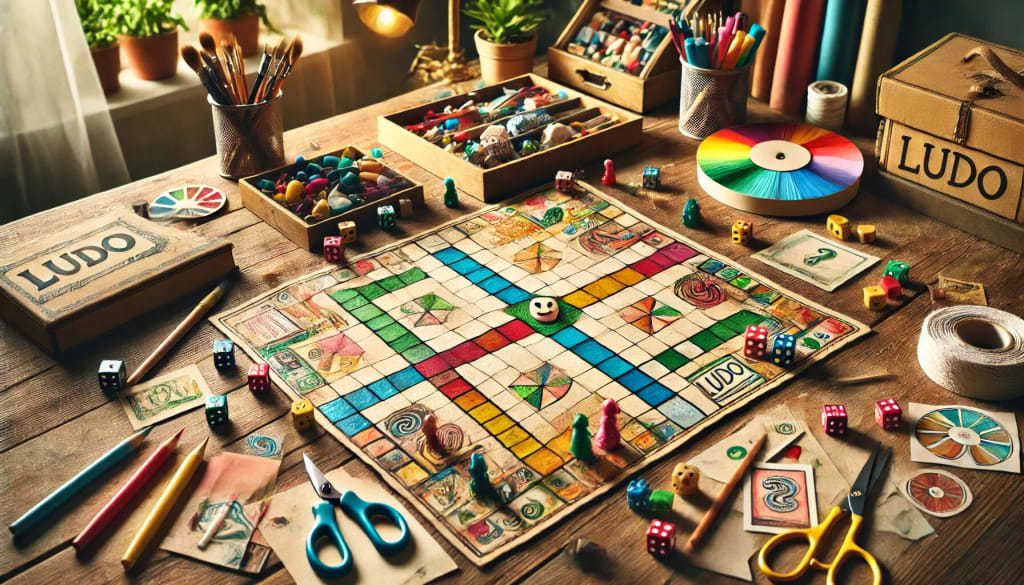
Classic games like Ludo have been a staple of family game nights for generations, bringing joy, strategy, and a touch of luck. But what if you could take the concept of Ludo and add your own creative twist? Designing a DIY board game inspired by Ludo is fun and a great way to engage your creativity while honoring a timeless classic.
In this article, we'll guide you through the steps to create your own board game, discuss design tips inspired by Ludo, and explore how budding Ludo game developers can incorporate innovative ideas into their designs.
Step 1: Understand the Basics of Ludo
Before creating your own Ludo, it’s essential to understand why It works so well. Ludo is a game of strategy, luck, and simple rules, making it accessible for players of all ages.
Key elements include:
A square board divided into a cross-shaped pathway.
Tokens for each player, to complete a circuit around the board.
Dice rolls to determine movement.
Games like Ludo thrive on their balance of luck and strategy, and this is something you'll want to incorporate into your DIY board game.
Step 2: Brainstorm Your Theme
A unique theme can make your DIY game stand out. Here are a few ideas:
Fantasy Adventure: Players could guide mythical creatures through enchanted forests instead of tokens around a board.
Space Exploration: Replace the traditional board with a galaxy map where players race their spaceships to reach their home planet.
Historical Quest: Design a game that traces significant events or journeys, such as the Silk Road or ancient trade routes.
Remember, the theme should resonate with your audience and align with the mechanics of games like Ludo.
Step 3: Design the Board and Rules
Once you’ve chosen a theme, sketch out your board design. Include the following:
Pathways: Similar to the cross-shaped pattern in Ludo, create paths that match your theme.
Starting and Finishing Points: Ensure the gameplay has a clear objective.
Interactive Spaces: To make the game more engaging, add special zones, such as power-ups, shortcuts, or obstacles.
Define the rules of your game. Ludo game developers often keep them simple yet flexible to ensure accessibility and replayability.
Step 4: Create Tokens and Dice
Tokens are an integral part of games like Ludo. Design unique player pieces that align with your theme, such as:
Mini rockets for a space theme.
Figurines for a fantasy quest.
Vintage coins or symbols for a historical game.
If you’re feeling crafty, consider making custom dice with thematic symbols instead of traditional numbers.
Step 5: Test and Refine
Playtest your game with friends or family to identify any flaws or confusing aspects. Pay attention to:
The balance between strategy and luck.
The pacing of the game.
Player engagement and enjoyment.
Make adjustments as needed, keeping in mind what makes games like Ludo so enduringly popular.
Step 6: Bring It to Life
Once you’ve finalized your design, consider the following ways to bring your board game to life:
Handmade Versions: Use cardboard, markers, and printed graphics for a DIY approach.
Digital Tools: Platforms like Canva can help you design polished game boards and cards.
Game Development Software: For aspiring Ludo game developers, software like Unity or Tabletop Simulator can turn your DIY creation into a digital experience.
Conclusion
Creating your own board game inspired by Ludo is a rewarding way to blend creativity with the timeless appeal of classic games. Whether you’re crafting a handmade board for family nights or exploring the digital realm as a Ludo game developer, the possibilities are endless.
So gather your materials, unleash your imagination, and design a game that could one day join the ranks of iconic games like Ludo.
About the Creator
Keep reading
More stories from gammming world and writers in Gamers and other communities.
The Rise of Live Dealer Poker How It's Changing the Online Gaming Landscape
The world of online gaming has seen remarkable growth over the years, and one of the most exciting developments in recent times has been the rise of live dealer poker. Live dealer poker combines the thrill of traditional casino games with the convenience of online play, offering an immersive and interactive experience. This shift is revolutionizing the online gaming landscape, attracting players from all over the globe. But what exactly is live dealer poker, and how is it reshaping the industry? Let's take a closer look.00
By gammming world about a year ago in Gamers
U4gm MLB The Show 26: A Complete Evolution of Baseball Gaming
MLB The Show 26 takes baseball simulation to an entirely new level. This year’s edition isn’t just a simple update — it represents a full evolution of the franchise, combining realism, strategy, and fun in one polished package. From career journeys to competitive online play, every mode has been refined, making the game more immersive and rewarding than ever before.
By Billo Nali3 days ago in Gamers



Comments
There are no comments for this story
Be the first to respond and start the conversation.