
THE ROLE OF MUSIC IN OLYMPIC CEREMONIES
Exploring the Impact of Music in Shaping the Atmosphere and Cultural Identity of Olympic Ceremonies

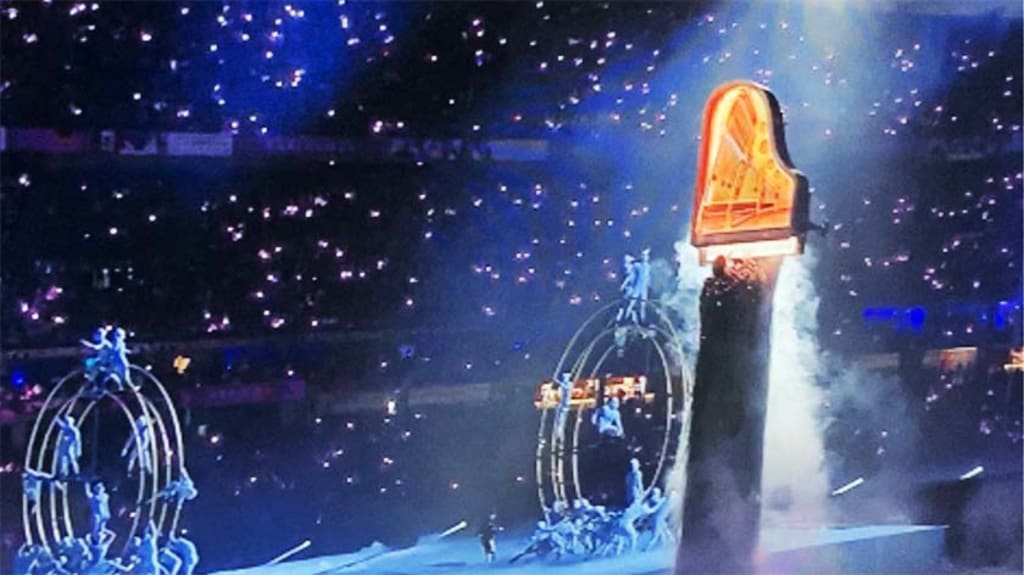
The Olympic Games are more than just athletic competitions; they are global events that celebrate human achievement, unity, and cultural diversity. Central to the grandeur of the Olympic Games are the opening and closing ceremonies, which are a blend of art, performance, and tradition. Among the various elements that contribute to the spectacle, music plays a particularly important role in conveying the themes of the Games, uniting people from different cultures, and enhancing the emotional experience of the audience. From stirring national anthems to intricate orchestral compositions, music is an integral part of the Olympic ceremonies, evoking a sense of pride, unity, and celebration.
Music as a Cultural Bridge
One of the most significant roles of music in Olympic ceremonies is its ability to bridge cultural differences. The Olympics bring together athletes and spectators from across the world, each with their own unique traditions, languages, and customs. Music, however, transcends these barriers, allowing people to connect on an emotional level regardless of their background. In the opening and closing ceremonies, music represents both the host country's culture and the broader spirit of global unity.
For example, during the 2008 Beijing Olympics, the opening ceremony featured a blend of traditional Chinese music and modern compositions that reflected China's rich cultural history while showcasing its emergence as a global power. The incorporation of elements such as the guzheng (a traditional Chinese instrument) alongside a grand orchestral arrangement helped create a unique musical landscape that resonated with both the local audience and the global viewers.
Similarly, the London 2012 Olympics highlighted the diversity of British music, with performances by artists spanning genres from classical to contemporary. The iconic moment of the opening ceremony, where the music of The Beatles was performed, exemplified how music can connect people through shared cultural icons. By showcasing such diverse musical traditions, the ceremonies demonstrated how the Olympic Games are a celebration of global unity, not just a contest of athletic prowess.
Music as an Emotional Catalyst
Another crucial role of music in Olympic ceremonies is its ability to heighten the emotional impact of key moments. The arrival of the Olympic flame, the raising of the flag, and the lighting of the cauldron are all moments of profound significance, and music amplifies their emotional resonance. The right musical composition can elevate these moments from routine rituals to unforgettable spectacles.
Take, for example, the 1992 Barcelona Olympics, where the song "Amigos Para Siempre" (Friends for Life), composed by Andrew Lloyd Webber, became synonymous with the Games. The song’s lyrics and melody spoke of friendship and unity, themes that were central to the Barcelona Games. When it was performed during the closing ceremony, it evoked a sense of global togetherness, reinforcing the idea that the Olympics were about more than just competition—they were about building lasting relationships and friendships between nations.
Similarly, in the 2000 Sydney Olympics, the music of "Advance Australia Fair" during the opening ceremony, accompanied by the country’s beautiful landscapes, stirred a sense of national pride and unity in the Australian audience, while showcasing the unique beauty of the host country to the world.
The National Anthem and Its Role
The playing of national anthems during the medal ceremonies is another important aspect of music in the Olympics. For the athletes, standing on the podium while their national anthem plays is a moment of immense pride. This musical tradition not only honors the athletes but also highlights the global significance of their achievements. It symbolizes the recognition of each nation’s contribution to the Olympic movement and reinforces the values of fair competition and mutual respect.
The playing of the Olympic Anthem at the opening and closing ceremonies is also a key musical moment. Composed by Spyridon Samaras and Kostis Palamas, the anthem is a tribute to the ancient origins of the Games and encapsulates the spirit of the Olympics. Its performance at the start of the Games serves as a reminder of the history and ideals that underpin the event: unity, friendship, and the pursuit of excellence.
Music in Olympic Rituals and Celebrations
Music also serves a functional role in the rituals and celebrations that surround the Olympic Games. The entrance of the Olympic flag, the swearing-in of the athletes, and the passing of the torch are all accompanied by music that helps set the tone for these important moments. The careful selection of musical pieces ensures that the appropriate atmosphere is created for each ritual. For instance, the theme music of the Olympics, composed for each Games, often incorporates both grand orchestral arrangements and cultural motifs that tie into the host nation’s identity.
Moreover, the closing ceremony often features celebratory and lively music, signaling the end of the Games and the beginning of a return to everyday life. This is the time for showcasing the success of the athletes and the joy of the international community coming together to celebrate a shared event. The music in the closing ceremony is designed to leave the audience with a sense of hope and optimism for the future.
End
In conclusion, music plays an essential role in Olympic ceremonies, contributing to the atmosphere of the event, uniting people across cultures, and enhancing the emotional power of key moments. Whether it’s the stirring national anthems, the blending of traditional and contemporary music, or the emotional performances that mark the Games’ most memorable moments, music helps to make the Olympics not just an athletic competition, but a profound celebration of human achievement, unity, and spirit. Through its universal appeal, music at the Olympic Games reminds us that despite our differences, we are all part of the same global community, united by the power of music and sport.
About the Creator
Badhan Sen
Myself Badhan, I am a professional writer.I like to share some stories with my friends.
Keep reading
More stories from Badhan Sen and writers in Gamers and other communities.
ICONIC OLYMPIC PERFORMANCE IN THE OPENING CEREMONY
The Opening Ceremony of the Olympic Games is one of the most anticipated events, as it blends athletic achievement with artistic expression. Over the years, the opening ceremonies have featured some of the most iconic and breathtaking performances, each contributing to the Games’ celebration of unity, culture, and competition. Below are some of the most memorable and impactful Olympic Opening Ceremony performances:
By Badhan Senabout a year ago in Gamers
Dominating with Dual-Wield Pistols in CoD BO7: Tips That Work
Dual-wield pistols have always had a place in Call of Duty, but in Black Ops 7 they feel sharper, faster, and more dangerous than before. With the right setup and mindset, running akimbo pistols is no longer just for flashy clips. It is a real option for close-range control, fast pushes, and aggressive objective play. Players who understand how these weapons behave can turn tight spaces into their own territory and force enemies to fight on uncomfortable terms.
By Smsankar Goswami2 days ago in Gamers
How to Succeed at the Benson Directory®
Congratulations and welcome to the Benson Directory® employee #22391! As our newest call handler, you will have the privilege of speaking with dozens of unique and interesting people on a daily basis as well as the opportunity to earn bonuses for high performance. Contained within this handbook you will find a set of ease to follow instructions designed to help you settle in to your new role and begin paving the way to success.
By S. A. Crawford2 days ago in Fiction



Comments
There are no comments for this story
Be the first to respond and start the conversation.