
THE RISE OF SNOWBOARDING AT THE WINTER OLYMPICS
How Snowboarding Become a Thrilling Olympic Event

The Rise of Snowboarding at the Winter Olympics
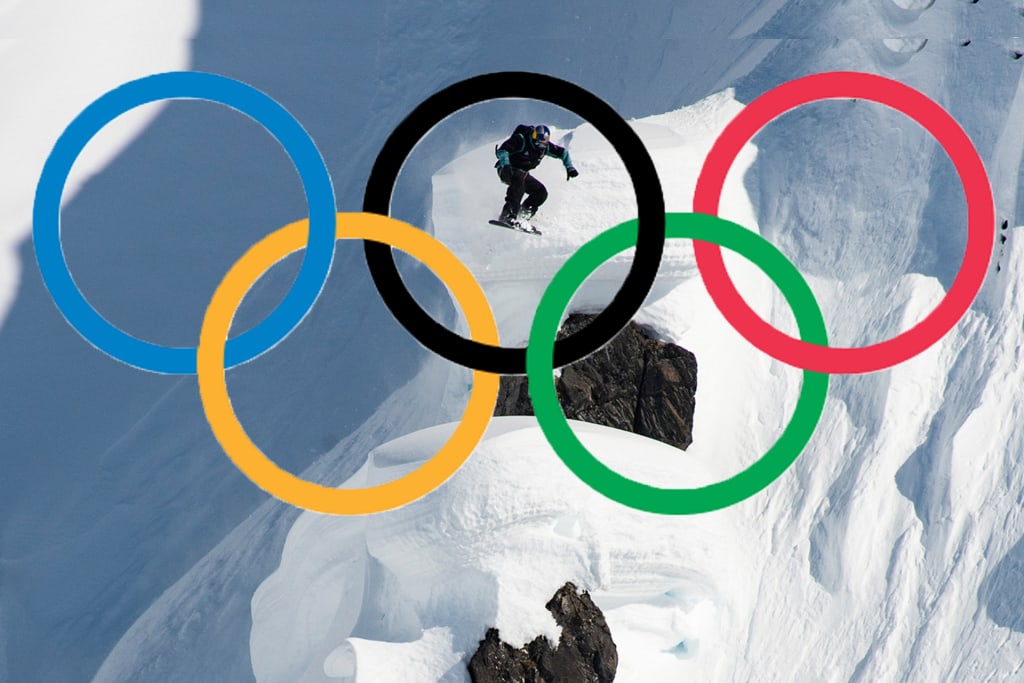
Snowboarding, once considered a rebellious alternative to traditional winter sports, has experienced a remarkable rise in the Winter Olympics, becoming a fan-favorite and an iconic event. The journey of snowboarding from the fringes of winter sports culture to a mainstream Olympic competition is an inspiring tale of innovation, determination, and cultural shift.
Origins and Early Development
The roots of snowboarding can be traced back to the late 1960s and early 1970s when Sherman Poppen, an engineer from Michigan, created the "snurfer" (a combination of "snow" and "surfer") to entertain his young daughter. This rudimentary board was essentially a surfboard adapted for snow, and it allowed the rider to glide down the slopes while standing. Although it was primarily a toy, the snurfer laid the foundation for what would become a global sport.
In the years that followed, various inventors and enthusiasts began to refine the design. One of the most significant contributions came from Jake Burton Carpenter, an American entrepreneur, who is often credited with revolutionizing snowboarding. In the early 1970s, he developed bindings that allowed snowboarders to securely attach their feet to the board, improving stability and control. Burton's innovation played a key role in transforming snowboarding from a hobby into a legitimate sport.
By the 1980s, snowboarding was gaining traction on ski slopes around the world, particularly in the United States. As the sport grew in popularity, snowboarding organizations, such as the U.S. Snowboarding Team, were established, and competitions began to emerge. However, many traditional skiers and ski resorts initially resisted snowboarding, considering it a disruptive force. Over time, as the sport's popularity skyrocketed, these attitudes changed, and ski resorts began to embrace snowboarding, marking a significant shift in the winter sports landscape.
Snowboarding’s Olympic Debut
Snowboarding made its Olympic debut at the 1998 Winter Olympics in Nagano, Japan, after years of campaigning by the sport’s advocates. The decision to include snowboarding in the Games was controversial at the time, with many questioning whether it was truly an Olympic sport. Snowboarding's inclusion was, however, a testament to the growing global popularity of the sport, and its debut was a milestone in the evolution of the Winter Olympics.
In the 1998 Nagano Olympics, two snowboarding events were introduced: the men’s and women’s halfpipe competition. This was a groundbreaking moment, as it introduced the world to the thrilling combination of acrobatics and speed that snowboarding offers. The event featured athletes performing gravity-defying tricks and stunts while riding a snow-covered halfpipe, with judges evaluating their skill, style, and difficulty.
The competition quickly captivated audiences, with the energy of the sport resonating with both young and older viewers. The 1998 Olympics also showcased snowboarding's rebellious and youthful spirit, helping to redefine the image of the Winter Games as a whole. In particular, athletes like American snowboarder Ross Powers, who won the bronze medal in the men’s halfpipe event, were instrumental in showing the world the potential of the sport.
Growth and Evolution of Snowboarding
After its successful debut in 1998, snowboarding continued to grow in prominence, and the Olympic competitions evolved alongside it. In the 2002 Salt Lake City Olympics, snowboarding’s popularity was further cemented with the introduction of the parallel giant slalom event. This event featured two snowboarders racing side by side down a slope with gates to navigate, adding an element of speed and excitement that further captured the imagination of fans worldwide.
The 2010 Vancouver Olympics saw even more expansion, with the introduction of the snowboard cross event. This event, also known as boardercross, involves four to six riders racing down a track filled with jumps, turns, and obstacles. It is a thrilling race where athletes must not only be fast but also skilled at navigating the treacherous course and competing against others in close quarters.
With each passing Olympic Games, snowboarding became more competitive, showcasing the world’s best athletes pushing the boundaries of what was possible on a snowboard. Athletes such as Shaun White, Lindsey Jacobellis, and Chloe Kim became household names, their performances etched into Olympic history. These riders elevated the sport with their incredible technical abilities and iconic moments, such as Shaun White’s historic 2006 Olympic gold medal victory and Chloe Kim’s triumphant performance at the 2018 PyeongChang Olympics.
Snowboarding and the Youth Appeal
One of the key factors in snowboarding’s success is its appeal to younger audiences. Snowboarding has long been associated with a counter-culture that embraces individuality, freedom, and creativity. This connection to youth culture helped snowboarding thrive in the Olympics, as it brought new energy to a traditionally formal event. The sport's non-conventional image, fueled by its roots in skateboarding and surfing, made it stand out from other Olympic events, giving the Winter Games a more modern, progressive feel.
The Olympic platform has allowed snowboarding to showcase not only athleticism but also artistic expression. Many of the tricks and maneuvers performed by athletes in halfpipe and slopestyle events, for instance, are as much about style and creativity as they are about technical proficiency. This blend of athleticism and artistry is one of the sport’s defining characteristics, and it resonates strongly with younger generations.
Conclusion
The rise of snowboarding at the Winter Olympics has been nothing short of extraordinary. From its humble beginnings with the invention of the snurfer to its now-established status as one of the most exciting and popular events at the Winter Games, snowboarding has come a long way. With its thrilling performances, youthful energy, and constant innovation, snowboarding will undoubtedly remain a cornerstone of the Winter Olympics for years to come, continuing to captivate audiences and inspire the next generation of athletes.
About the Creator
Badhan Sen
Myself Badhan, I am a professional writer.I like to share some stories with my friends.
Keep reading
More stories from Badhan Sen and writers in Gamers and other communities.
THE FUTURE OF BASEBALL/SOFTBALL IN THE OLYMPICS
Baseball and softball, two sports that were once integral to the Olympic Games, have experienced a complicated and fluctuating journey in the international sports scene. After being removed from the Olympic program after the 2008 Beijing Olympics, the sports made a strong comeback in the 2020 Tokyo Olympics. This return sparked conversations about the future of baseball and softball in the Olympic Games and their potential growth within the global sports community.
By Badhan Senabout a year ago in Gamers
Rsvsr How Daily Events and Golden Blitz Help You Progress Faster in Monopoly GO!
At first glance, Monopoly GO! looks like a simple roll-and-move game, but anyone who has played for a while knows there’s much more going on under the surface. Daily events are what turn routine gameplay into something strategic and rewarding. Instead of logging in just to roll dice, players who pay attention to events often progress faster and enjoy the game more overall.
By Billo Nali4 days ago in Gamers




Comments (2)
Hey, just wanna let you know that this is more suitable to be posted in the Unbalanced community 😊
Great work and snowboarding is fun to watch but when they fall ouch.