
The Rise of Snackable Mobile Games
From Subway Commutes to Couch Gaming: The Rise of Bite-Sized Mobile Entertainment
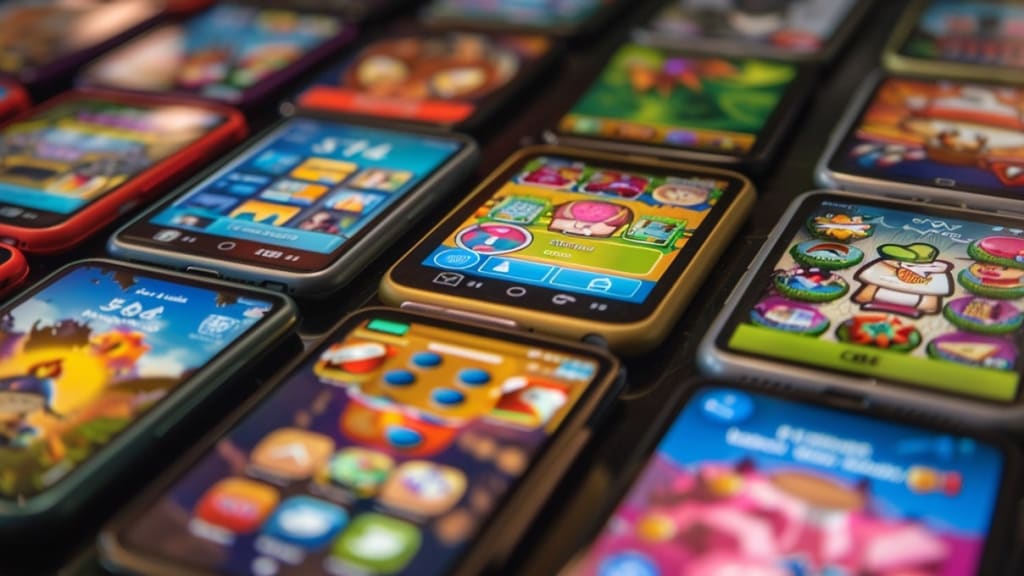
It starts on a crowded subway. One hand gripping the rail, the other swiping through a brightly colored game. The stop-and-go rhythm of the train mirrors the quick bursts of play. A few taps, a new high score, and suddenly three stations have passed without notice. Later, the same phone lights up again—this time at home, stretched across the couch, idly running through another round while waiting for dinner.
This is the essence of modern entertainment. Short, snackable, and endlessly repeatable. In a world where attention is the most valuable currency, bite-sized mobile games have carved out a space as the ultimate pastime for moments in between.
The Shift From Long Sessions to Short Bursts
Not long ago, video games were anchored to living rooms and consoles. Playing required setting aside hours, whether to complete a mission, compete with friends, or lose yourself in a sprawling storyline. But the rise of mobile technology changed not just where we play, but how.
Today, entertainment is no longer something we plan around. It’s what fills the gaps. Waiting at the doctor’s office, standing in a coffee line, riding an elevator—these are moments that used to be consumed by idle scrolling. Now, they’re just as likely to be filled by a few quick levels of Subway Surfers, Temple Run, or Candy Crush.
Mobile games shortened the distance between boredom and play. Instead of booting up a console, players tap a screen. Instead of investing hours, they invest minutes—or even seconds. That accessibility redefined gaming as part of everyday life, not just a hobby.
Why Hyper-Casual Games Fit Modern Lifestyles
The phrase “hyper-casual” has become the shorthand for this new genre of mobile entertainment. These games are defined by simple mechanics, low barriers to entry, and instant gratification.
Think about the “runner” format: characters sprinting endlessly, dodging obstacles, collecting coins, and restarting the moment they fail. There’s no steep learning curve, no elaborate tutorials, no storylines to keep track of. You can start, stop, and restart without losing progress—or interest.
This design mirrors how people now experience their daily routines: fragmented, fast-paced, and filled with micro-moments. A hyper-casual game doesn’t demand full attention or long stretches of focus. It exists in the background of life, ready whenever you are.
And this isn’t accidental. Developers recognized early on that success meant designing games that fit into lifestyles, not the other way around. That’s why runner-style games dominate app stores—they’re easy to pick up, hard to put down, and perfectly engineered for the fleeting attention spans of a world in motion.
Commuting, Waiting, Relaxing: Gaming in Everyday Spaces
To understand the rise of mobile entertainment, you only have to ride a subway during rush hour. Rows of passengers sit silently, eyes glued to screens, fingers tapping with surprising rhythm. Some scroll social feeds, but many are deep in quick-fire rounds of mobile games.
These micro-moments are important. For commuters, games are more than a distraction—they’re a coping mechanism. They turn a tedious journey into something enjoyable, giving commuters a sense of control in a space that otherwise feels monotonous.
The same applies to waiting rooms or checkout lines. Mobile games fill what used to be considered wasted time. Instead of frustration, there’s a chance for small victories—reaching a new level, breaking a personal record, or unlocking a feature.
At home, the role shifts slightly. Here, mobile games provide a softer alternative to immersive console or PC gaming. They act as background entertainment—something light to play while watching TV, winding down after work, or chatting with friends. It’s leisure without commitment.
The Psychology Behind Bite-Sized Play
The popularity of mobile entertainment isn’t just about convenience. It taps into deeper psychological needs.
Instant Gratification
Each tap brings a reward—whether it’s coins, points, or colorful animations. These immediate payoffs trigger dopamine responses, making the game feel satisfying even in short bursts.
Low-Risk Engagement
Unlike competitive console games, mobile titles don’t punish failure harshly. A quick restart is often part of the fun. This reduces pressure and encourages casual participation.
Habit Loops
Games are designed to keep players returning. Daily rewards, streak bonuses, and leaderboard updates encourage consistent engagement without overwhelming commitment.
Control in Chaos
In busy, unpredictable days, mobile games offer a sense of agency. Players may not control traffic delays or work emails, but they can control outcomes within a game.
This blend of psychology and accessibility explains why mobile entertainment doesn’t just attract traditional gamers. It reaches across demographics, appealing to children, professionals, retirees, and everyone in between.
The Cultural Impact of Snackable Games
Bite-sized entertainment has shifted cultural perceptions of gaming itself. No longer confined to “gamers,” mobile play has normalized gaming as part of everyday culture. Parents, grandparents, coworkers—all are just as likely to be playing something as teenagers with consoles.
This democratization of gaming has also blurred the line between work and play. It’s common to see colleagues exchanging tips about puzzle levels or comparing high scores. The same devices that host work emails also house moments of lighthearted escape.
More importantly, mobile games have become a shared cultural reference point. Just as sitcoms or viral videos once provided watercooler conversations, games like Flappy Bird or 2048 became collective experiences. Everyone tried them, everyone struggled, and everyone laughed about it.
When Entertainment Meets Technology
The rise of bite-sized gaming coincides with technological advances that made it possible. Faster internet, more powerful processors, and larger screens all improved the mobile experience. But just as crucial was the shift in design philosophy.
Developers leaned into simplicity. They embraced visuals that were bold, intuitive, and instantly recognizable. They optimized games for one-handed play. They created mechanics that could be understood in seconds but mastered over weeks.
As devices evolve, these principles remain the backbone of mobile entertainment. Even as graphics grow sharper and features more advanced, the essence of hyper-casual design—the ability to play anywhere, anytime, with no learning curve—remains central.
The Future of Snackable Entertainment
Where does mobile gaming go from here? The trajectory suggests continued growth, but also deeper integration with lifestyle. Already, we’re seeing:
- Gamification of wellness apps, where fitness or meditation apps borrow game mechanics to boost engagement.
- Short-form crossovers, with games tied to TV shows, social platforms, and even music releases.
- AI-driven personalization, tailoring difficulty and rewards to individual players for more satisfying micro-moments.
Ultimately, the future of bite-sized entertainment is about blending seamlessly into the rhythms of daily life. Just as podcasts turned commutes into learning opportunities, mobile games turned idle time into playful moments.
Why This Trend Matters
It would be easy to dismiss hyper-casual gaming as trivial. But the truth is, these short bursts of play reveal a larger cultural trend: we’re rethinking how we value time. In a world of endless notifications, news cycles, and demands, people carve out small spaces for joy. Mobile games happen to fit perfectly into those spaces.
They remind us that entertainment doesn’t always need to be immersive or long-winded. Sometimes, all it takes is a few taps on a screen, a streak of good luck, and a moment of escape—whether you’re on a subway or sinking into the couch.
About the Creator
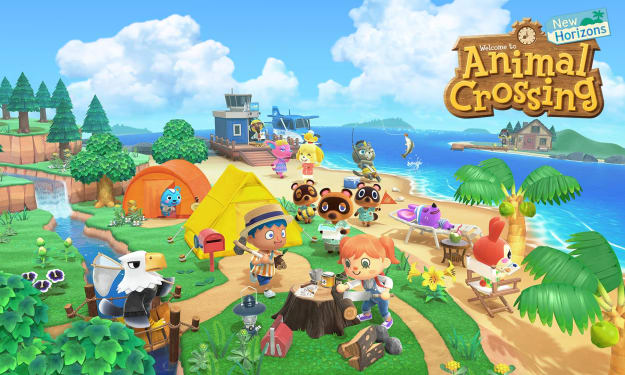
New Horizons Animal Crossing: Spring, Summer, Fall, and Winter Events
Animal Crossing: New Horizons continues to delight players with its charming life-simulation gameplay, allowing players to customize their islands, interact with villagers, and enjoy seasonal events. One of the game’s most engaging features is its seasonal events, which provide unique items, activities, and community experiences throughout the year.
By Games Tale7 days ago in Gamers


Comments
There are no comments for this story
Be the first to respond and start the conversation.