
The Rise And Fall Of Among Us
How One Simple Game Took The Internet By Storm

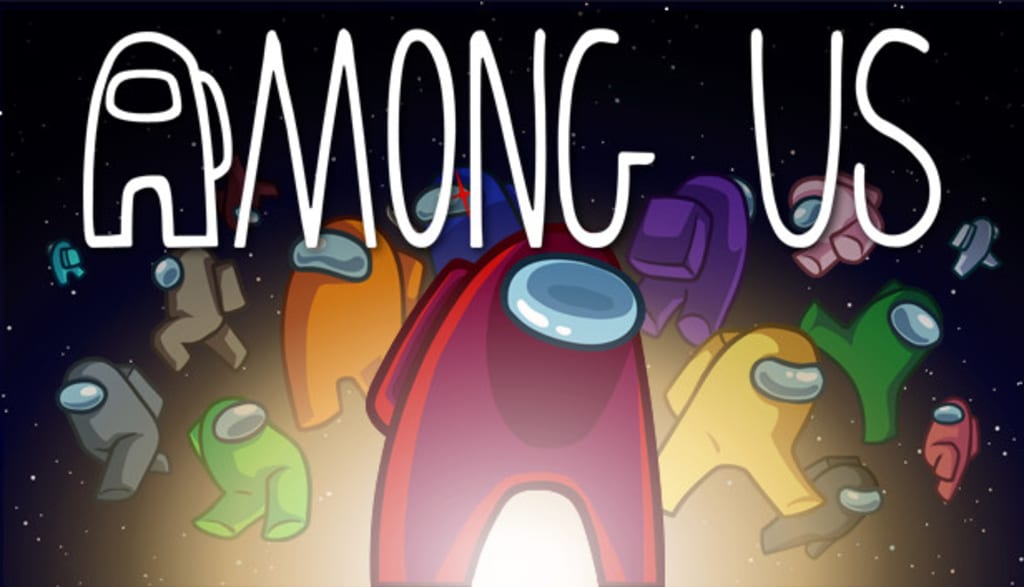
Once upon a time in the gaming world, there emerged a little indie game that would soon take the world by storm. It was called "Among Us." Developed by InnerSloth, it offered a simple yet addictive concept—players assumed the roles of crew members on a spaceship, with a few impostors hidden among them. The objective was to complete tasks and identify the impostors before they could eliminate the crew. Little did anyone know that this unassuming game would become a cultural phenomenon.
In the beginning, "Among Us" struggled to gain attention. Released in 2018, it received little fanfare and was largely overshadowed by bigger titles. However, through the power of word-of-mouth and streamer influence, the game slowly gained traction. Streamers and content creators discovered the hilarity and suspense that "Among Us" offered when played with friends. The game's simple graphics and easy-to-understand mechanics made it accessible to players of all skill levels, and its online multiplayer feature allowed for endless possibilities.
As the game's popularity grew, so did the community surrounding it. Players formed tight-knit groups, creating their own lobbies and organizing games. Discord servers were set up, where fans could discuss strategies, share memorable moments, and forge new friendships. Memes and fan art flooded social media platforms, spreading the infectious joy that "Among Us" brought to people's lives. It seemed like everyone wanted to be a part of this phenomenon.
With its newfound fame, "Among Us" caught the attention of larger gaming communities and media outlets. Twitch and YouTube were flooded with "Among Us" content, attracting millions of viewers eager to watch their favorite personalities navigate the intricate web of deception and deduction. The game's developers, caught off guard by the sudden surge in popularity, quickly rose to the challenge. They released updates and improvements, adding new maps, tasks, and customization options, ensuring that the game remained fresh and engaging.
As the months passed, "Among Us" became more than just a game. It became a cultural touchstone, a common language that brought people together. Friends bonded over intense matches, families spent quality time playing together, and strangers became allies in the quest to uncover the impostors. The game's success even led to collaborations with other popular franchises, as skins and themed events were introduced, further fueling the game's popularity.
However, as with any meteoric rise, there comes a point where the flames of popularity begin to wane. After reaching incredible heights, the "Among Us" hype gradually started to fade. The constant stream of new games and trends diverted attention away from the once-ubiquitous spaceship adventure. Players started seeking new thrills and experiences, leaving behind the familiarity of the game they once loved.
The developers at InnerSloth, aware of the inevitable decline, made efforts to keep the game relevant. They continued to release updates, addressing bugs and introducing new features. They collaborated with popular influencers to reignite interest, but despite their best efforts, the momentum could not be sustained. "Among Us" had reached its zenith and was now on a steady descent.
But as the sun sets on one era, it rises on another. While "Among Us" may have faded from the spotlight, its impact on the gaming world remains undeniable. It paved the way for a new wave of social deduction games, inspiring developers to explore the genre further. The friendships forged within the game's community endured, as players found new adventures together in different virtual realms.
The rise and fall of "Among Us" serves as a reminder that the gaming landscape is ever-changing. Trends come and go, but the memories and connections made within those worlds endure. And who knows, perhaps one day, "Among Us" will experience a renaissance, drawing a new generation of players back into its midst.
Years passed, and the gaming industry evolved. New technologies emerged, providing immersive experiences that captivated players in unprecedented ways. Virtual reality, augmented reality, and highly realistic graphics took center stage. Games became more expansive, offering vast open worlds and intricate narratives.
Amidst this evolution, a wave of nostalgia swept across the gaming community. Players longed for the simpler times, when gameplay was straightforward and the focus was on fun and social interaction. And in the midst of this sentiment, "Among Us" resurfaced.
The developers at InnerSloth, aware of the enduring love for their game, decided to give it a fresh breath of life. They embarked on a journey to revitalize "Among Us" for the new generation of gamers. Utilizing the latest technologies, they introduced a revamped version of the game, incorporating virtual reality and augmented reality elements. The once simple spaceship adventure became an immersive experience, where players could physically move around a virtual environment, interacting with tasks and engaging in intense debates with their friends.
The relaunch of "Among Us" sparked a renewed interest across the gaming community. Fans who had fond memories of the game eagerly embraced the updated version, while newcomers were drawn to its unique blend of social deduction and immersive gameplay. Streamers and content creators once again filled the airwaves with "Among Us" content, reigniting the excitement and suspense that the game had once provided.
The return of "Among Us" created a ripple effect in the gaming industry. Developers took note of the enduring appeal of social deduction games and began exploring new ways to incorporate similar mechanics into their own projects. The genre experienced a renaissance, with a multitude of games offering their own take on deception and deduction. But through it all, "Among Us" remained a timeless classic, the game that started it all.
The revitalized "Among Us" not only captivated players but also served as a bridge between generations. Long-time fans shared their experiences and memories with newcomers, creating a sense of community that transcended time and space. The friendships forged within the game's virtual realms blossomed once more, as players reconnected and embarked on new adventures together.
As the years went by, "Among Us" continued to evolve. The developers tirelessly worked to introduce new content, maps, and features to keep the game fresh and engaging. The legacy of "Among Us" extended beyond the gaming world, inspiring creativity in other forms of media. Books, movies, and even board games drew inspiration from the beloved universe, further solidifying its place in popular culture.
And so, the rise and fall of "Among Us" proved to be a cyclical journey—a testament to the enduring power of a simple concept executed with passion and ingenuity. It reminded the gaming community that even as trends come and go, there are certain experiences that remain etched in our hearts. "Among Us" became more than just a game; it became a symbol of friendship, laughter, and the joy of shared experiences.
So, as the story of "Among Us" continues to unfold, it serves as a reminder to embrace the ever-changing nature of the gaming world. Trends may rise and fall, but the memories and connections made within these digital realms endure, forever shaping the way we play and interact with one another. And perhaps, in the not-too-distant future, a new generation of players will discover the magic of "Among Us" and add their own chapter to its rich and storied history.
About the Creator
John memon
I Just like to write............
Keep reading
More stories from John memon and writers in Gamers and other communities.
The Deception of Sketchek
Sketchek, the renowned Team Fortress 2 player, was known for his incredible gameplay and hilarious videos that had millions of views on YouTube. His fans eagerly awaited his next upload, but one day, they woke up to the shocking news that he had died.
By John memon3 years ago in Gamers
I Am Future On PS5 : Now available on PlayStation 5
Survival games are often defined by tension. Hunger meters tick down, enemies lurk in the shadows, and every mistake feels costly. I Am Future: Cozy Apocalypse Survival, now available on PlayStation 5, takes a very different approach. Instead of stressing players with constant danger, it invites them to slow down, breathe, and rebuild. It’s a survival game where optimism, creativity, and calm take centre stage — and on PS5, it feels right at home.
By Games Mode On3 days ago in Gamers


Comments
There are no comments for this story
Be the first to respond and start the conversation.