
THE RELATIONSHIP BETWEEN THE OLYMPICS AND ENVIRONMENTAL JUSTICE MOVEMENTS
Championing Sustainability:Bridging the Olympics and Environmental Justice.

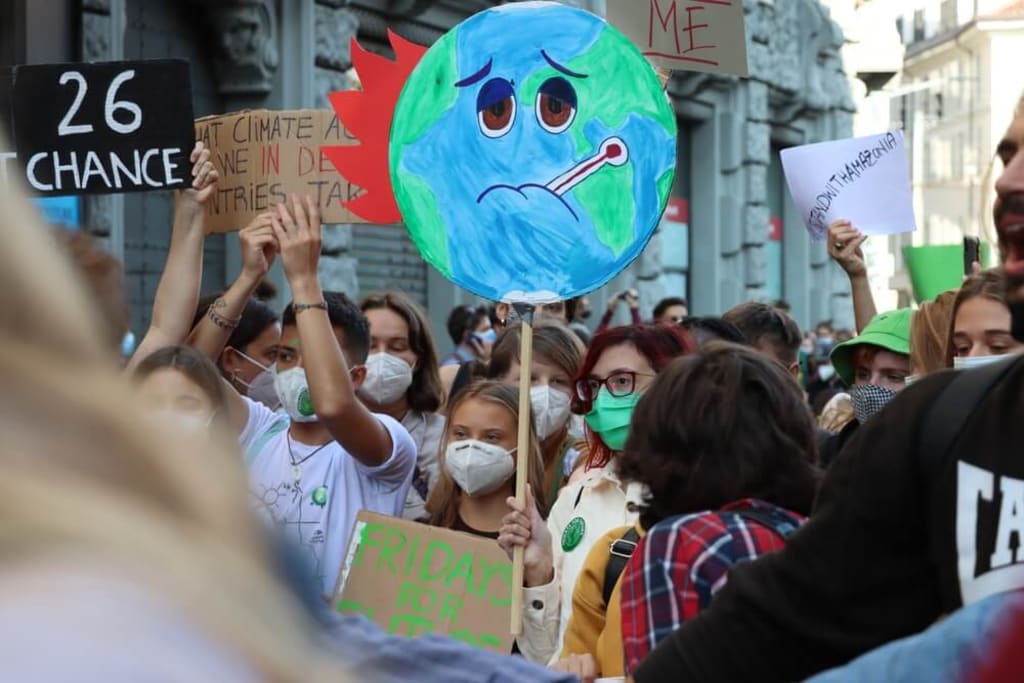
The Olympic Games, a Global celebration of athleticism and unity, have long been a source of pride and international cooperation. However, their environmental and social impacts have also drawn significant scrutiny, particularly from environmental justice movements. The relationship between the Olympics and these movements is multifaceted, involving issues of sustainability, displacement, resource allocation, and activism. Examining this dynamic reveals both challenges and opportunities for creating a more equitable and environmentally responsible Olympic model.
Environmental Impacts of the Olympics
The Olympics have often been criticized for their environmental footprint. Hosting the Games requires substantial infrastructure development, including stadiums, transportation networks, and housing for athletes and visitors. These projects often lead to deforestation, pollution, and resource depletion. For instance, the 2014 Winter Olympics in Sochi resulted in the destruction of critical wildlife habitats and the diversion of water resources, causing long-term ecological damage.
Moreover, the carbon footprint of the Games is significant. The influx of tourists, the construction of facilities, and the energy demands of large-scale events contribute to greenhouse gas emissions. Despite efforts to incorporate green technologies and renewable energy sources, these measures often fall short of offsetting the environmental costs.
Social Implications and Environmental Justice
Environmental justice movements emphasize the fair distribution of environmental benefits and burdens, particularly for marginalized communities. The Olympics frequently exacerbate social inequalities, as vulnerable populations bear the brunt of environmental and economic disruptions. For example, in preparation for the 2016 Rio de Janeiro Olympics, thousands of residents were forcibly evicted from favelas to make way for new infrastructure. These displacements not only disrupted lives but also deepened social and economic inequities.
Furthermore, the allocation of resources for the Olympics often prioritizes the event over local needs. Funds that could address pressing social issues, such as healthcare, education, and housing, are diverted to Olympic projects. This misallocation exacerbates existing inequalities, sparking protests and resistance from affected communities.
Activism and Advocacy
Environmental justice movements have increasingly used the Olympics as a platform to highlight broader issues of inequality and environmental degradation. Activists draw attention to the disconnect between the Olympic ideals of unity and fairness and the realities of environmental harm and social displacement. Protests during the 2020 Tokyo Olympics, for instance, highlighted concerns over radioactive contamination from the Fukushima disaster, as well as broader issues of environmental and social injustice.
In some cases, these movements have successfully influenced Olympic planning and policies. The International Olympic Committee (IOC) has responded to criticism by adopting more sustainable practices, such as promoting the use of existing venues, minimizing waste, and incorporating renewable energy. The Paris 2024 Olympics, for example, aim to be the most sustainable Games yet, with plans to use 95% existing or temporary venues and significantly reduce carbon emissions.
Opportunities for Collaboration
The intersection of the Olympics and environmental justice movements presents opportunities for collaboration. By integrating the principles of environmental justice into Olympic planning, organizers can create events that are more inclusive and sustainable. Key strategies include:
Community Engagement: Involving local communities in the planning process ensures that their voices are heard and their needs are addressed. Transparent decision-making can reduce conflicts and build trust.
Sustainable Infrastructure: Designing infrastructure with a focus on long-term utility and minimal environmental impact can mitigate the ecological footprint of the Games. Modular and temporary structures can reduce waste and costs.
Equitable Resource Allocation: Allocating resources to address local social and environmental issues alongside Olympic projects can create a legacy that benefits host communities.
Accountability Mechanisms: Establishing independent oversight bodies can ensure that environmental and social commitments are upheld, preventing greenwashing and ensuring transparency.
In The End
The relationship between the Olympics and environmental justice movements underscores the complex interplay between global events and local realities. While the Olympics have historically imposed significant environmental and social costs, they also offer a platform for addressing these challenges. By aligning Olympic practices with the principles of environmental justice, the Games can evolve into a model of sustainability and equity, reflecting the ideals they aim to embody. Achieving this vision requires concerted efforts from organizers, policymakers, activists, and communities, working together to redefine what it means to host the Olympics in the 21st century.
About the Creator
Badhan Sen
Myself Badhan, I am a professional writer.I like to share some stories with my friends.
Keep reading
More stories from Badhan Sen and writers in Gamers and other communities.
HOW THE OLYMPICS IMPACT GLOBAL ISSUES LIKE CLIMATE CHANGE AND POVERTY
The Olympic Games are one of the most celebrated global events, bringing together nations in a showcase of athletic excellence, unity, and cultural exchange. However, beyond the spectacle, the Olympics have far-reaching implications for global issues such as climate change and poverty. This essay examines how the Games influence these pressing challenges, offering both opportunities and challenges for sustainable development.
By Badhan Senabout a year ago in Gamers
Resident Evil Redefined Fear And Changed Survival Horror Forever
When discussing the origins of modern survival horror, one name inevitably rises above the rest: Resident Evil. Released during a time when action games dominated the market, it introduced a slower, more methodical experience that forced players to think, conserve, and most importantly, fear.
By Lukáš Hrdlička5 days ago in Gamers
The Honed Ashlar, Part 2 of 5
Part 2: The Level and the Gavel The Chamber of Silence Silas awoke to silence, heavy, absolute. The air scrubbed of exhaust; smelling of cold stone, raw beeswax, and the metallic tang of a whetstone. He lay on a cot. Not a mission mat. Taut canvas stretched over a steel frame. Plumb. Level. The bolts tightened to a specific, unyielding torque. No sagging allowed.
By Nathan McAllisterabout 8 hours ago in Gamers
Writing To Succeed
If you want to find something that will help readers find your writing, possibly expand your audience, and maybe even get you noticed for other things, then you’re not alone. But how can you get it done in a world full of want-to-be writers? Look less at what you’re writing now, and more at what other writers have used to boost their views and reads.
By Jason Ray Morton a day ago in Writers



Comments (2)
Very nice
Olympics must balance sustainability, equity, and social responsibility for future success.