
THE CHALLENGES FACED BY OLYMPIC ATHLETES WITH DISABILITIES
Overcoming Barriers:The Journey of Olympic Athletes with Disabilities.

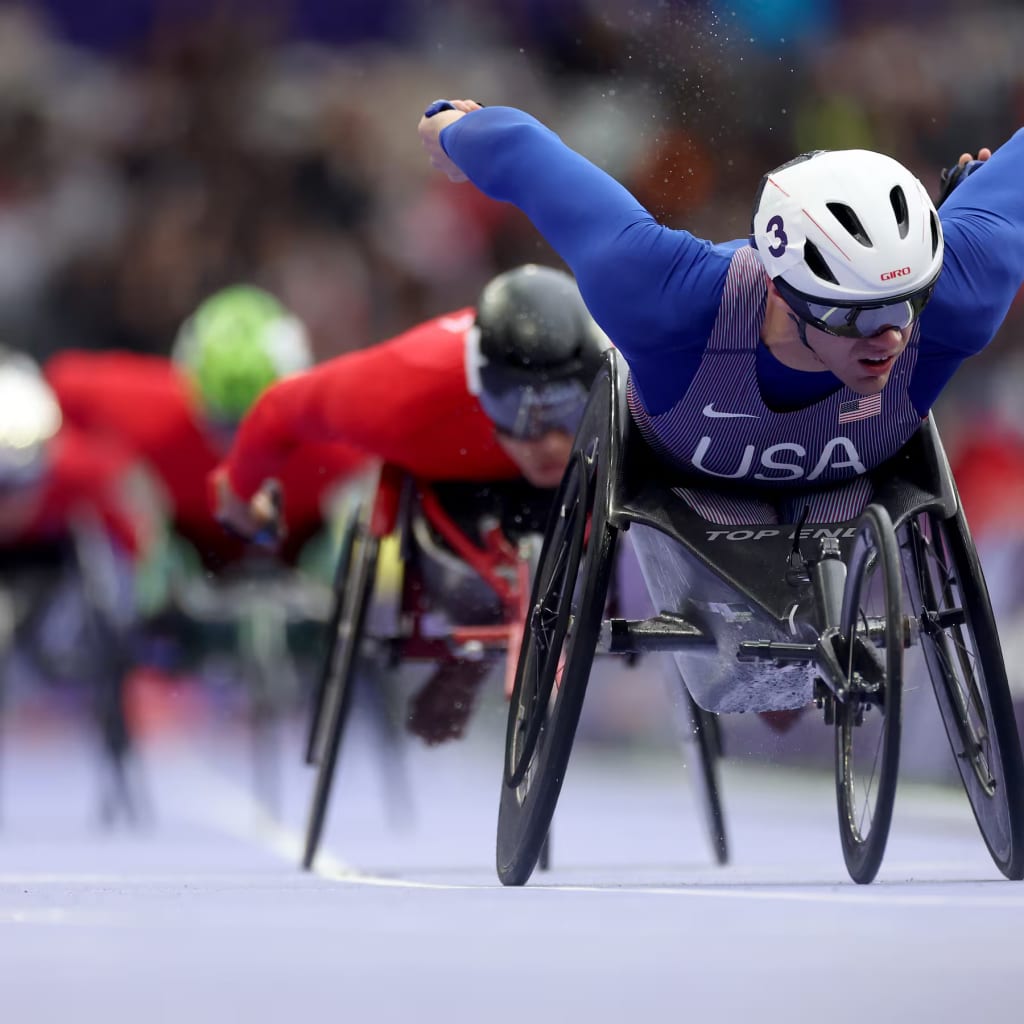
The Olympic Games and their counterpart, the Paralympic Games, represent the pinnacle of athletic achievement and perseverance. However, for athletes with disabilities, the path to competing at these elite levels is fraught with unique challenges that extend beyond the physical demands of their respective sports. These challenges include societal attitudes, financial constraints, accessibility issues, and the struggle for equality and recognition.
(I)Societal Attitudes and Perception
One of the most significant barriers for athletes with disabilities is overcoming societal stereotypes and biases. Despite advancements in awareness and inclusion, many individuals with disabilities still face assumptions that they are incapable of achieving at the same level as their able-bodied counterparts. This can lead to a lack of support from communities, sponsors, and even within sporting organizations.
Furthermore, the media portrayal of athletes with disabilities often focuses on their personal struggles rather than their athletic achievements. This "inspiration porn" narrative diminishes their accomplishments by framing them solely as overcoming their disability, rather than highlighting their skills and dedication.
(II)Financial Constraints
Participating in the Olympics or Paralympics is an expensive endeavor, and athletes with disabilities often face heightened financial challenges. The costs associated with training, equipment, travel, and coaching can be prohibitive. For athletes with disabilities, adaptive equipment, such as specialized wheelchairs, prosthetics, or sensory aids, can be significantly more expensive than standard sports equipment.
Many athletes rely on sponsorships and funding to cover these costs, but they frequently encounter a disparity in sponsorship opportunities compared to able-bodied athletes. This inequality stems from a combination of limited media coverage and lower visibility of Paralympic events, which translates into fewer opportunities for athletes with disabilities to attract major sponsors.
(III)Accessibility and Infrastructure
Accessibility remains a critical issue for athletes with disabilities. While international competitions like the Paralympics are designed with inclusivity in mind, the same cannot always be said for local and regional events. Training facilities, transportation systems, and accommodations are often not equipped to meet the needs of athletes with disabilities.
For instance, many training facilities lack adequate ramps, elevators, or accessible restrooms, forcing athletes to navigate physical barriers daily. Moreover, travel to international competitions can be a logistical nightmare, as many airlines and airports are not fully equipped to handle adaptive equipment or ensure a seamless travel experience for individuals with disabilities.
(IV)Physical and Mental Health Challenges
Athletes with disabilities often face unique physical challenges related to their impairments, which can complicate their training regimens and increase the risk of injury. For example, athletes using prosthetics may experience pressure sores or joint issues, while those with visual impairments may have heightened vulnerability to collisions or missteps.
Additionally, the psychological toll of competing at the highest level can be amplified for athletes with disabilities. They must contend with the stress of training and competition alongside the societal pressures of being seen as representatives of the broader disability community. This dual burden can lead to burnout, anxiety, and other mental health issues.
(V)Struggle for Equality and Recognition
Despite their incredible achievements, athletes with disabilities often struggle for equality and recognition. The disparity in prize money, media coverage, and sponsorship deals between the Olympics and the Paralympics is stark. For example, Paralympic athletes frequently receive less financial compensation for their victories and are often overshadowed by their Olympic counterparts in the media.
This inequality extends to governance as well. While organizations like the International Paralympic Committee (IPC) advocate for inclusivity, they often lack the resources and influence of larger organizations like the International Olympic Committee (IOC). This disparity can result in less effective advocacy and fewer opportunities for Paralympic athletes.
(VI)Steps Toward Progress
Despite these challenges, progress is being made. Initiatives to promote inclusivity in sports, such as the increased integration of Paralympic coverage in mainstream media and the adoption of universal design principles in infrastructure, are helping to level the playing field. Additionally, advocacy efforts by athletes themselves are bringing attention to issues of inequality and pushing for systemic change.
Programs that provide financial assistance, mentorship, and access to state-of-the-art facilities are also playing a crucial role in supporting athletes with disabilities. By investing in these programs, society can help ensure that talent and dedication, rather than financial or logistical barriers, determine athletic success.
In The End
The journey of Olympic and Paralympic athletes with disabilities is a testament to human resilience and determination. However, the challenges they face—from societal biases and financial barriers to accessibility issues and inequality—highlight the need for continued advocacy and systemic change. By addressing these issues, we can move closer to a world where all athletes, regardless of ability, have the opportunity to compete on an equal footing and receive the recognition they deserve.
About the Creator
Badhan Sen
Myself Badhan, I am a professional writer.I like to share some stories with my friends.
Keep reading
More stories from Badhan Sen and writers in Gamers and other communities.
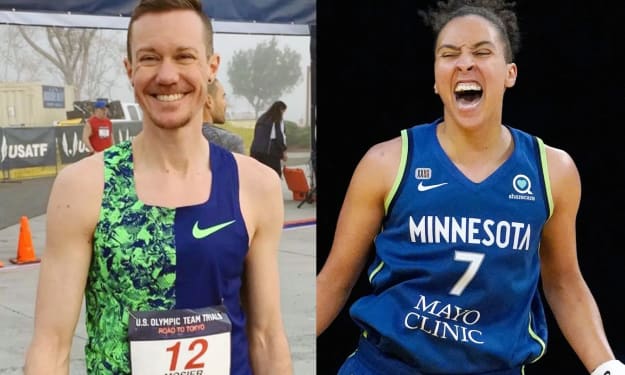
THE DEBATE OVER THE ROLE OF TRANSGENDER ATHLETES IN THE OLYMPICS
The participation of transgender athletes in the Olympics has sparked a significant global debate, touching on issues of inclusivity, fairness, and the fundamental values of competitive sports. This discussion reflects broader societal questions about gender identity and equality, while also highlighting the complexities of maintaining a level playing field in elite athletic competition.
By Badhan Senabout a year ago in Gamers
Halo Infinite Will Completely Change How You See Xbox Games Forever
Few games carry the weight of expectation like Halo Infinite. As one of the flagship titles for Xbox, it was never just another release. It had to prove that the legendary franchise still had the power to evolve while staying true to its roots. What emerged is a game that balances legacy and innovation in a way that feels both familiar and surprisingly bold.
By Lukáš Hrdlička5 days ago in Gamers
Call of Duty: Ghosts (2013)
So, I've reviewed a handful of Call of Duty titles by now, and I've had a great time doing it. World at War was a dark, grim portrayal of WWII that was really good. Black Ops was a Cold War thrill and the Modern Warfare trilogy was an action-movie extravaganza.
By Greg Seebregts8 days ago in Gamers



Comments
There are no comments for this story
Be the first to respond and start the conversation.