
The Power of Game Guides: Tips, Tricks, and Secrets
Game Guides: Why We Love Them and Why We Need Them


When I think about my earliest gaming experiences, I can’t help but remember the feeling of being lost in a huge world, not knowing what to do next. Back then, there was no YouTube walkthrough in the background, no instant search for “how to beat level 10.” You either figured it out yourself or hoped someone at school had managed to get further than you. Fast forward to today, and the situation couldn’t be more different. The internet is overflowing with game guides, walkthroughs, and strategy breakdowns. And honestly? I wouldn’t have it any other way.
Game guides aren’t just cheat sheets for impatient players. They’re communities, collections of shared knowledge, and sometimes even lifesavers when you’ve been banging your head against a tricky boss for hours. Let’s take a closer look at why guides matter so much, how they’ve evolved, and why I still turn to them despite years of gaming experience.
The Evolution of Game Guides
There was a time when printed magazines were the only real guides we had. I used to grab gaming magazines, mostly for the demo discs and colorful screenshots, but the walkthroughs hidden inside were pure treasure. They felt like secret maps to another world, giving me confidence that I wasn’t wandering alone.
Now things have changed. We live in an age where a game guide can be a detailed wiki with every stat documented, or a casual Reddit post from someone who discovered a hidden shortcut. Videos are even better sometimes—you can see every move in real time. Guides have become more than instructions; they’re entertainment in their own right. I’ve spent entire evenings watching speedrunners explain strategies I’ll never master, but I still enjoy learning how the game mechanics bend and break.
Why We Turn to Guides
Some people still think guides ruin the “mystery” of games, but I don’t see it that way. To me, guides are like a friend sitting next to you on the couch, whispering helpful advice when you’re stuck. They keep frustration from turning into burnout.
When I play a role-playing game, for example, I hate the idea of missing out on unique weapons or side quests. Without guides, I’d probably overlook half the content developers poured their heart into. And let’s be honest—some games are so massive and complex that discovering everything on your own is close to impossible. Guides let us experience the full richness of the game without the fear of missing out.
Codes, Cheats, and the Magic of Unlocking Secrets
Of course, guides aren’t just about strategies. They’re also about secrets—codes, rewards, and hidden unlocks that make the whole experience more exciting. It’s almost like unwrapping a present when you enter a special code and watch your game transform.
In many modern games, codes have become official rewards rather than shady cheat tricks. Developers often release promo codes to thank players, giving free currency, skins, or boosts. And guides are usually the fastest way to find these codes before they expire. I can’t count the number of times a guide has saved me from missing limited-time bonuses. That feeling of typing in a code and suddenly having an advantage—whether it’s a cool outfit or an extra stash of in-game gold—never gets old.
The Social Side of Guides
One thing people sometimes forget is that guides aren’t just one-way instructions. They’re conversations. Fans write guides not because they’re obligated to, but because they love sharing what they’ve discovered. I’ve written a couple of mini-guides myself on forums, and there’s a strange joy in knowing someone out there might beat a boss more easily thanks to my rambling notes.
There’s also the way guides bring communities together. Whether it’s a Discord server full of players swapping tips or a massive wiki project with hundreds of contributors, guides often become the glue that holds players together. It’s not just about winning; it’s about sharing victories, frustrations, and discoveries with others who care just as much.
When Guides Become Part of the Game
For some games, guides are practically essential. Think about sprawling survival games where crafting recipes could fill an entire book. Or competitive titles where one wrong move can mean the difference between victory and defeat. Having a guide on hand feels like carrying a compass in the wilderness—you might survive without it, but why make life harder than it needs to be?
In my own experience, guides often turn frustration into motivation. I’ll admit it: I’ve abandoned games in the past because I got hopelessly stuck. These days, I just open a guide, get back on track, and keep enjoying the adventure. Instead of giving up, I find myself appreciating the game more deeply because I understand it better.
The Human Touch in a Digital World
What fascinates me about guides is how personal they often are. Even though some are written like encyclopedias, many still carry the voice of the person who wrote them. I love stumbling on a guide that isn’t just dry instructions but includes personal comments like “watch out for this trap, it got me three times before I figured it out” or “this boss is annoying, but here’s what finally worked for me.” That kind of human touch makes the gaming experience feel more connected, more alive.
My Relationship With Guides Today
I’ll be honest—I still sometimes try to play without guides, at least at first. There’s a special thrill in figuring something out with no outside help. But sooner or later, I cave. Sometimes it’s because I want to min-max my character build, sometimes because I refuse to miss a hidden ending. And sometimes it’s simply because I don’t have the same endless free time I did as a kid. Guides let me enjoy games more fully in the limited hours I have now.
Even now, with years of experience, I can’t deny how exciting it feels to stumble across a new guide that opens up a game in ways I hadn’t imagined. Whether it’s a fresh list of codes, an in-depth strategy for a final boss, or even just a simple “best early weapons” breakdown, guides keep the fun alive long after the first playthrough.
The Future of Game Guides
Looking ahead, I think guides will only get more interactive. Imagine AI-powered assistants built right into the game, whispering tips only when you ask for them. Or guides that adapt to your personal playstyle, suggesting routes and builds tailored to the way you play. The community-driven side will always exist, though, because no matter how advanced technology gets, nothing beats the creativity and passion of players who love a game enough to share their knowledge.
Conclusion: Why I’ll Never Stop Reading Guides
At the end of the day, guides aren’t about spoiling the fun. They’re about making sure we get the most out of the experiences developers create. They help us discover hidden gems, unlock rewards through codes, and keep us from walking away in frustration. More importantly, they connect us with other players, turning solitary adventures into shared journeys.
So the next time someone tells you guides “ruin” games, smile and remember: guides don’t take away the magic. They help us see it more clearly.
About the Creator
Keep reading
More stories from Serhii Biloshytskyi and writers in Gamers and other communities.
Exploring “Mobile Game World Evolves”: A Deep Dive into Its Exciting Universe
When I first launched “Mobile Game World Evolves”, I didn’t really know what to expect. Honestly, I thought it would be just another run-of-the-mill mobile game with flashy graphics and simple tap mechanics. But boy, was I in for a surprise! This game isn’t just about playing; it’s about experiencing a whole universe that constantly evolves around you, giving players new challenges, rewards, and, most importantly, a sense of adventure you don’t often find on a mobile device.
By Serhii Biloshytskyi4 months ago in Gamers
Europe Game-Based Learning Market Size & Forecast 2026–2034
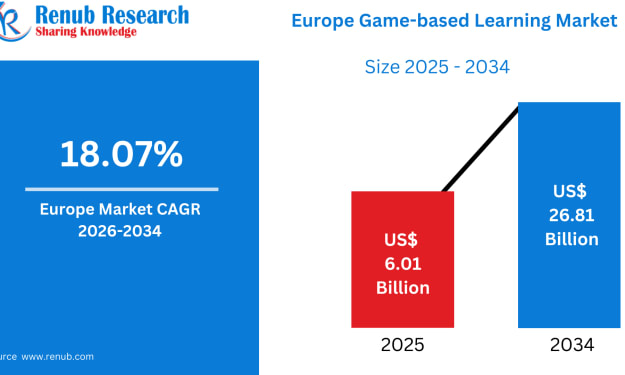
The Europe game-based learning market is set to experience remarkable expansion in the coming decade, growing from US$ 6.01 billion in 2025 to US$ 26.81 billion by 2034, according to Renub Research. This represents a strong compound annual growth rate (CAGR) of 18.07% from 2026 to 2034, driven by the rapid digitalization of education systems, increased adoption of e-learning platforms, and the rising demand for interactive, outcome-oriented learning solutions.
By Aaina Oberoi4 days ago in Gamers
Star Wars: X-Wing (1993)
Ah, Star Wars, we meet again. I've played several Star Wars-related games over the years, but I recently found a couple in a genre I'd never tried - simulators. Flight sims are apparently quite fun, and since I'd never tried one, I thought I'd give Star Wars: X-Wing a go. It was...complicated.
By Greg Seebregts7 days ago in Gamers
FPS: The Last Flame Challenge Winners
Welcome to our first Winners Announcement of the year and to the final challenge in the Fall Poetry Series. The Last Flame invited writers to sit with endings, using fire as a central image to consider what remains when something burns out: ash, warmth, memory, silence, or the faint promise of what comes next. The strongest pieces treated endings as gradual rather than sudden, allowing them to flicker, dim, and linger.
By Vocal Curation Team6 days ago in Resources


Comments
There are no comments for this story
Be the first to respond and start the conversation.