
THE OLYMPIC TORCH RELAY TRADITION
Connecting the Ancient and Modern Games

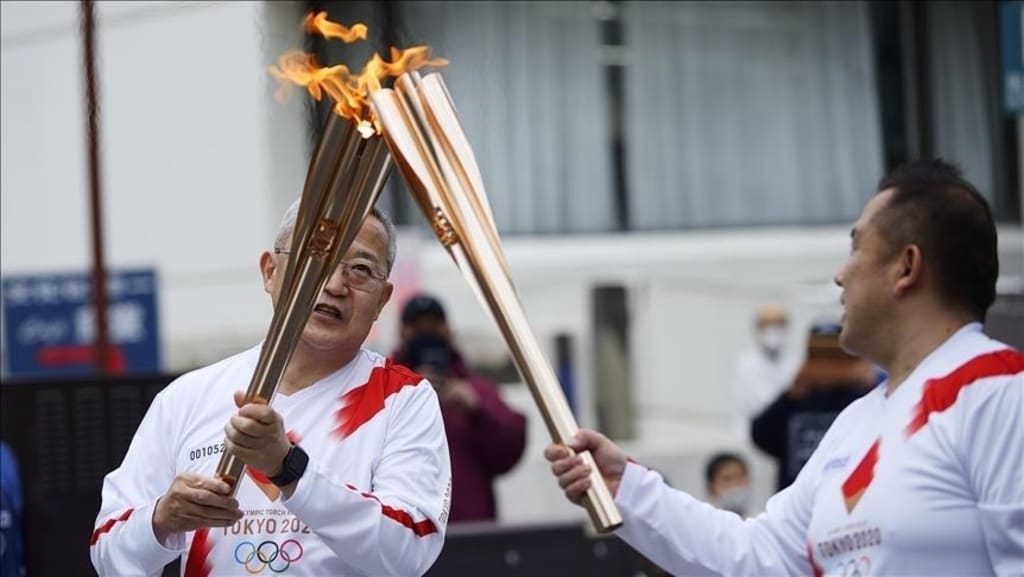
The Olympic Torch Relay Tradition
The Olympic Torch Relay is one of the most iconic and celebrated traditions of the Olympic Games. It symbolizes the passing of the Olympic flame from the ancient Greek Olympics to the modern world, representing unity, peace, and friendship among nations. The relay is an important ceremonial aspect of the Games, capturing the imagination of millions and connecting the past with the present in a powerful way.
Origins and Symbolism
The tradition of the Olympic Torch Relay has its roots in ancient Greece, where a flame was kept burning in Olympia throughout the duration of the ancient Olympic Games. The flame was lit at the Temple of Hera, using the sun’s rays, and was then carried by runners to the stadium, symbolizing the light of knowledge and the spirit of competition. The flame represented the spirit of the Games, and its passage from one athlete to another signified the continuity and unity of the competition.
The modern Olympic Torch Relay, however, was established by Pierre de Coubertin and is often linked to the 1936 Berlin Olympic Games. Coubertin’s vision was to create a link between the ancient and modern Games, and the relay was designed to give the Games a sense of continuity and tradition. The flame would be lit in Olympia, Greece, and then relayed across countries to the host city, bringing the Olympic spirit to the world.
The First Modern Relay (1936)
The first official Olympic Torch Relay took place during the 1936 Berlin Olympics. The flame was lit in Olympia, Greece, and then carried through Germany by a team of runners before reaching Berlin. This relay marked the beginning of the tradition, though it was not initially a permanent fixture of the Games. The relay in 1936 was a propaganda tool for the Nazi regime, but the idea of the Torch Relay proved to be powerful and was embraced in future Olympic Games.
The Olympic Torch Relay Today
The Olympic Torch Relay today is a spectacle that spans weeks, sometimes even months, as the torch travels through various countries and regions before reaching the Olympic host city. The relay begins with the lighting of the torch in Olympia, where the flame is ignited using the sun’s rays in a ritual performed by a group of Greek priestesses. Once the flame is lit, it begins its journey across the globe.
The torch is carried by a diverse group of runners, often including athletes, celebrities, dignitaries, and members of the host country’s communities. Each leg of the relay is celebrated with festivities, and the torch's journey becomes a way to unite people of different cultures and backgrounds under the banner of the Olympic spirit.
In recent years, the relay has seen a rise in technological innovation, with helicopters, boats, and even space stations being used to transport the torch across difficult terrain. The route is designed to showcase the beauty and diversity of the country hosting the Games, as well as the importance of the Olympic values of peace, friendship, and solidarity. It is also an opportunity for people around the world to witness the Olympic flame firsthand and to feel a part of the global celebration.
The Role of the Torchbearers
One of the most significant elements of the Olympic Torch Relay is the selection of the torchbearers. Each torchbearer is chosen for their contribution to society, whether through athletic achievement, community service, or inspiring others. The role of carrying the torch is a great honor, and it connects individuals to the global message of the Olympic Games.
Torchbearers come from all walks of life and are often chosen to represent the host nation’s ideals, culture, and diversity. The act of carrying the torch is symbolic, representing the transmission of the Olympic flame and spirit from one person to another. It is also a reminder that the Olympic Games are about more than just athletic competition—they are about bringing people together in a spirit of unity and peace.
The Legacy and Significance of the Relay
The Olympic Torch Relay is much more than a simple relay of fire; it is a symbol of global unity, cultural exchange, and the Olympic movement's enduring values. As the flame travels through different regions and communities, it inspires a sense of pride and excitement in people who may never have the opportunity to attend the Games themselves. The relay fosters a sense of anticipation and anticipation for the Games, creating a bond between the host country and the global community.
The torch relay also serves as a reminder of the ancient origins of the Olympic Games, and it helps to connect the past and present. While the torch’s route and style have evolved over time, its message remains the same: the Olympics are a celebration of human achievement, unity, and the pursuit of excellence. The relay encourages people to come together, transcending differences and divisions, to celebrate the ideals of the Games.
Conclusion
The Olympic Torch Relay is a cherished tradition that has become one of the most recognized symbols of the Olympic Games. From its origins in ancient Greece to its modern-day incarnation, the relay has represented the flame of peace, unity, and friendship. Each time the torch is passed from one person to the next, it serves as a reminder of the power of sport to bring the world together and inspire a brighter, more harmonious future. As long as the Games continue, the Olympic Torch Relay will remain an enduring symbol of hope, inspiration, and global solidarity.
About the Creator
Badhan Sen
Myself Badhan, I am a professional writer.I like to share some stories with my friends.
Keep reading
More stories from Badhan Sen and writers in Gamers and other communities.
ECONOMIC IMPACT OF HOSTING THE OLYMPIC GAMES
Economic Impact of Hosting the Olympic Games The Olympic Games are one of the largest and most prestigious sporting events in the world, and hosting them brings a mix of challenges and opportunities for the host country. While the games are celebrated for promoting international unity and showcasing athletic excellence, the economic consequences—both positive and negative—are significant. A host country must prepare for substantial investment, while balancing the potential benefits and risks of hosting such a monumental event.
By Badhan Senabout a year ago in Gamers
U4gm Maximizing Spores and Rewards in Pokemon Pokopia
The “More Spores for Hoppip” event in Pokemon Pokopia has quickly become one of the most exciting seasonal updates this year. Running from March 9 to March 24, 2026, the event challenges players to collect rare spores, Hoppip-themed furniture, and Pokemon Pokopia Life Coins, while exploring meadows and interacting with Hoppip, Skiploom, and Jumpluff.
By Dangyc Ding7 days ago in Gamers
Level Up Your Life: How Gaming Builds Skills, Friends, and Succes
"Think gaming is just a way to kill time? Think again. Every quest you complete, every strategy you master, and every battle you fight is secretly leveling up your brain, your skills, and your real-life potential. Gaming isn’t just entertainment—it’s training for life."
By Zakir Ullah4 days ago in Gamers



Comments (1)
What a great historical piece. I always wondered and what would it be like to carry that torch especially that last lap in the stadium in the city the hosts the Games. I did see one part of the relay when it came through my old hometown one time.