
THE OLYMPIC GAMES AND THE RISE OF GLOBAL BRANDS
How the Olympics Became a Stage for Global Corporate Power and Commercial Influence.

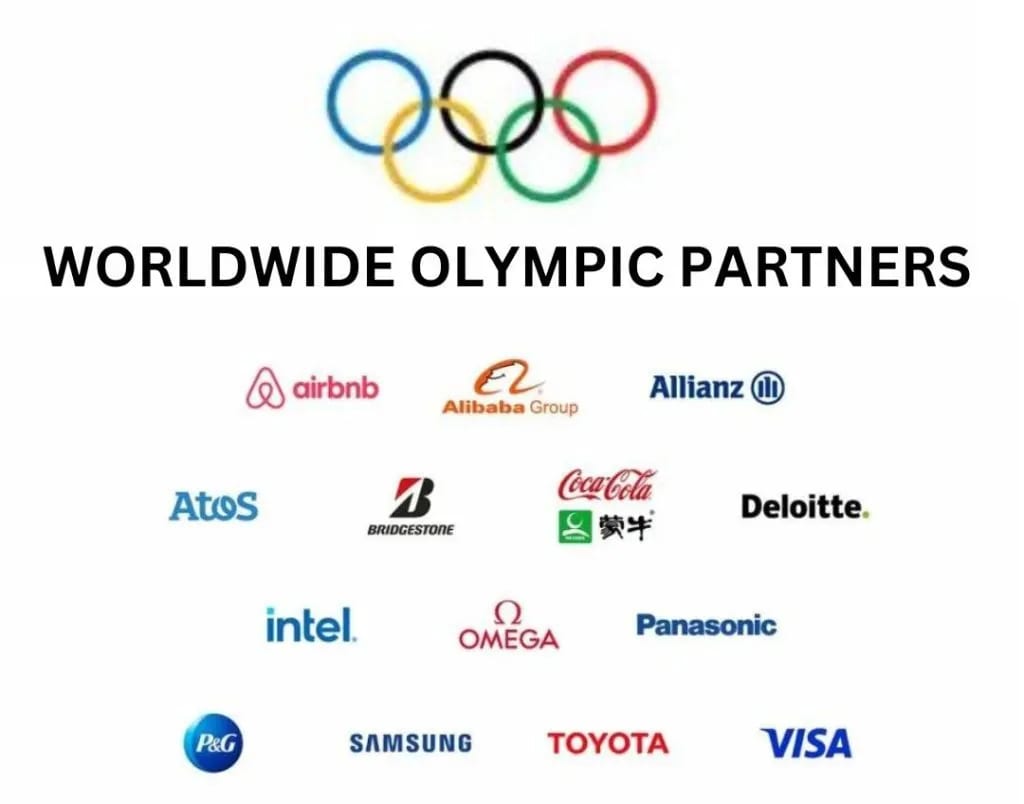
The Olympic Games have long been a platform not only for athletic excellence but also for the growth and exposure of global brands. The Games, which trace their origins back to ancient Greece, have evolved into one of the world’s most significant events, attracting millions of spectators and media attention from around the world. As the Olympics has grown in scale and importance, the rise of global brands has become increasingly intertwined with the event. Over the years, corporate sponsorship, advertising, and partnerships have transformed the Olympics into a massive commercial enterprise. This essay explores how the Olympic Games have contributed to the rise of global brands and how this relationship has shaped both the Games and the business world.
The Olympics as a Marketing Platform
The modern Olympic Games, which were revived in 1896, provide an unparalleled platform for companies to market their products and services to a global audience. With over 200 countries participating and billions of viewers watching the Games on television and digital platforms, the event offers advertisers and sponsors a chance to reach a diverse and engaged audience. This broad exposure makes the Olympics an ideal venue for brands to boost their visibility and credibility.
The International Olympic Committee (IOC), which oversees the Games, has structured the Olympic sponsorship model in such a way that it allows companies to secure exclusive advertising rights through a variety of sponsorship tiers. These sponsorship levels are carefully designed to cater to businesses of all sizes, ranging from multinational corporations to smaller local companies. The most significant of these is the TOP (The Olympic Partner) Program, which is reserved for the biggest global brands, offering them exclusive rights to market their products in association with the Games.
The Evolution of Sponsorship and Commercialization
The commercialization of the Olympics began in earnest in the 1960s, but it was the 1980s and 1990s that saw the transformation of the Games into a global marketing spectacle. The Los Angeles 1984 Olympics marked a significant turning point, as the Games were largely funded by corporate sponsorship rather than public funds. This was the first time the Olympics were organized as a fully commercial venture, and it set the precedent for future Games.
In 1985, the IOC introduced the TOP Program, which brought in major global corporations as official sponsors. Companies such as Coca-Cola, Visa, and McDonald's became long-term partners of the Games. These brands not only benefited from exclusive marketing rights but also gained an association with the Olympic values of excellence, friendship, and respect. By aligning with the Olympics, these brands were able to tap into the goodwill and emotional connection that the Games fostered among audiences.
The success of this model paved the way for the expansion of sponsorship deals in subsequent decades. For instance, the Beijing 2008 Olympics saw the number of official sponsors grow significantly, and the London 2012 Olympics introduced new forms of digital and social media marketing that helped further amplify brand visibility. The increased importance of social media, along with the development of digital platforms, allowed global brands to interact with audiences in real-time, providing even greater opportunities for engagement and visibility.
The Role of Global Brands in Shaping the Olympic Experience
The relationship between the Olympics and global brands is not a one-way street. While companies certainly benefit from their association with the Games, they also play an important role in shaping the Olympic experience for viewers and participants. Brands invest in innovative technologies, infrastructure, and merchandise that enhance the overall Games experience.
For instance, Coca-Cola has been a long-time sponsor of the Olympics, and its involvement has included providing beverages to athletes, volunteers, and spectators, as well as creating memorable advertising campaigns. Nike, another key sponsor, has leveraged its association with the Olympics to promote not only its products but also its brand ethos, emphasizing themes of perseverance, dedication, and athletic excellence. Through their sponsorships, these brands help elevate the prestige and visibility of the Games while also benefiting from the positive associations created by the event.
Moreover, global brands have also contributed to the development of the Olympics in terms of technological innovations. Companies like Intel and Samsung have provided cutting-edge technologies such as 5G networks, virtual reality experiences, and live-streaming platforms that have transformed the way audiences experience the Games. These technologies have made the Olympics more accessible and engaging than ever before, allowing fans to connect with the Games in new and exciting ways.
Challenges and Criticisms
Despite the significant benefits of global branding at the Olympics, the rise of corporate sponsorship has not been without controversy. The increasing commercialization of the Games has led some critics to argue that the true spirit of the Olympics — a celebration of amateur athleticism and international unity — is being overshadowed by the dominance of global corporations.
The IOC’s heavy reliance on sponsorship revenues has led to concerns over the ethics of corporate involvement in an event that is supposed to be about the purity of sport. Moreover, the high costs of sponsoring the Games have made it difficult for smaller companies to participate, further increasing the disparity between global brands and local businesses.
Additionally, the influence of sponsors has sometimes led to the commodification of athletes and sports. For example, the relentless pressure to secure endorsements can overshadow the athletes' focus on their performances and dilute the purity of competition.
End
The Olympics and global brands have become deeply intertwined, with corporate sponsorship playing a key role in the commercialization and global expansion of the Games. From the early days of sponsorship in the 1960s to the digital and social media strategies of today, global brands have transformed the way the Olympics are experienced by audiences worldwide. While the partnership between the Games and global brands has helped fund the event and promote positive values, it has also raised important questions about the commercialization of sport. Nonetheless, the Olympics remain one of the world’s most powerful marketing platforms, continuing to play a significant role in the rise of global brands. As the Games evolve, it is likely that this symbiotic relationship between sport and commerce will only continue to grow stronger.
About the Creator
Badhan Sen
Myself Badhan, I am a professional writer.I like to share some stories with my friends.
Keep reading
More stories from Badhan Sen and writers in Gamers and other communities.
THE INFLUENCE OF TRADITIONAL MUSIC AND DANCE IN THE OPENING CEREMONIES
Opening ceremonies of international events such as the Olympic Games, World Cups, or cultural festivals are spectacular showcases of creativity, culture, and national identity. One of the most important aspects of these ceremonies is the integration of traditional music and dance, which often serve as a vibrant representation of the host country’s cultural heritage. These performances offer a glimpse into the traditions, values, and artistic expressions that shape the nation's identity. The role of music and dance in the opening ceremonies is crucial not only for entertaining and engaging global audiences but also for conveying messages of unity, cultural pride, and historical narratives.
By Badhan Senabout a year ago in Gamers
The Gym Where Iron Transformed Lives
The gym was hidden between a bakery and a closed-down bookstore, its faded sign barely visible from the street. The windows were dusty, the paint on the walls chipped, and the metal door creaked every time someone pushed it open. To most people, it looked like a forgotten place. But for those who stepped inside, it was a space where lives quietly transformed.
By The best writer 5 days ago in Gamers
U4gm Why Ranked Play in Call of Duty: Black Ops 7 Is the Ultimate Test of Skill
Call of Duty: Black Ops 7 isn’t just another fast-paced shooter—it’s a test of skill, strategy, and teamwork. For casual players, Quick Play delivers fun and chaos, but for those who want to prove themselves in the competitive arena, Ranked Play is the real deal. This mode isn’t just about racking up kills; it’s about outsmarting your opponents, controlling the map, and working seamlessly with your team.
By Dangyc Ding7 days ago in Gamers


Comments (1)
Great article and of course The Olympics is a gigantic business for all involved in presenting one way or another and even in participating somehow.