
THE INFLUENCE OF TRADITIONAL MUSIC AND DANCE IN THE OPENING CEREMONIES
Cultural Expressions and Global Unity through Performance.

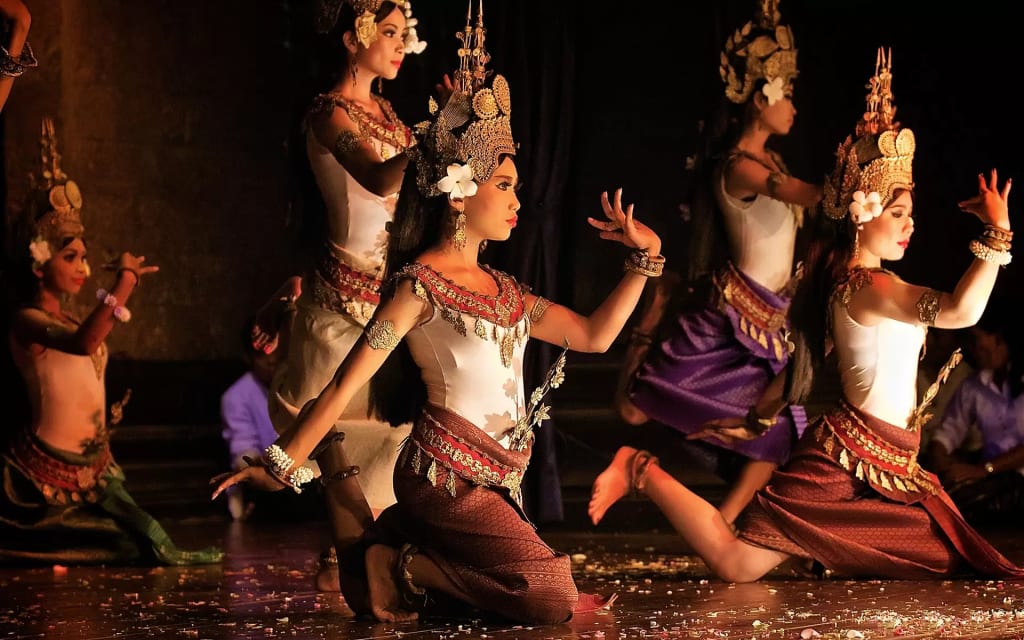
Opening ceremonies of international events such as the Olympic Games, World Cups, or cultural festivals are spectacular showcases of creativity, culture, and national identity. One of the most important aspects of these ceremonies is the integration of traditional music and dance, which often serve as a vibrant representation of the host country’s cultural heritage. These performances offer a glimpse into the traditions, values, and artistic expressions that shape the nation's identity. The role of music and dance in the opening ceremonies is crucial not only for entertaining and engaging global audiences but also for conveying messages of unity, cultural pride, and historical narratives.
(I)Cultural Representation through Music and Dance
Traditional music and dance have been an integral part of human culture for centuries, acting as powerful means of storytelling, social expression, and ceremonial significance. During the opening ceremonies of international events, these elements are elevated to create a stunning representation of the host country's heritage. Traditional music, often featuring indigenous instruments, provides a soundscape that transports viewers into the heart of the culture. Whether it is the gamelan ensemble of Indonesia, the taiko drums of Japan, or the bagpipes of Scotland, these instruments evoke a sense of belonging, history, and pride.
Similarly, traditional dance serves as a dynamic form of expression. It often incorporates symbolic movements and costumes that reflect the social, spiritual, and historical contexts of the culture. Through dance, participants demonstrate the rituals, celebrations, and folk traditions that have been passed down through generations. For example, the flamenco dance in the 1992 Barcelona Olympic Games showcased Spain's rich cultural heritage, while the graceful ballet sequences in Russia’s Winter Olympics opening ceremonies reflect the country’s classical dance traditions.
(II)Creating a Sense of Unity and Global Connectivity
The opening ceremonies are designed not only to celebrate the culture of the host nation but also to emphasize the global unity fostered by international events. Music and dance play a significant role in bridging cultural differences and creating a sense of connection between people from diverse backgrounds. By presenting the traditional arts of the host nation, the opening ceremony highlights both the uniqueness of a culture and its contributions to the larger global community.
For instance, at the London 2012 Olympics, the opening ceremony integrated elements of British history and popular culture, including the iconic performance of the Union Jack by the music of The Beatles. This helped connect viewers from around the world to the universal themes of innovation and creativity while honoring the British cultural legacy. The performance blended traditional and contemporary music, creating a shared experience for both the British and global audience.
Moreover, traditional music and dance are often fused with modern artistic expressions during the ceremonies. This mixture helps create a harmonious celebration of tradition and progress, signaling that while the host country respects and honors its roots, it is also forward-thinking and inclusive. The Beijing 2008 Olympics opening ceremony, for example, featured a blend of traditional Chinese instruments such as the erhu (a two-stringed fiddle) alongside cutting-edge technological performances, symbolizing China’s blend of ancient traditions and modern achievements.
(III)National Pride and Cultural Diplomacy
Traditional music and dance in opening ceremonies can also serve as powerful tools for national pride and cultural diplomacy. When countries present their cultural practices on the global stage, they are not only showcasing their artistic expressions but also asserting their identity in the face of global diversity. For many host nations, the opening ceremony becomes a moment of pride, where they can express their unique cultural contributions to the world.
An example of this is the Sochi 2014 Winter Olympics in Russia, where the ceremony featured traditional Russian folk dances and music, from classical ballet performances to the Cossack dance. This cultural display allowed Russia to emphasize its rich history of art, literature, and music while simultaneously highlighting its contemporary advancements.
In a similar vein, the Rio 2016 Olympics opening ceremony introduced Brazilian samba and other folk music genres to the world. Through the rhythmic beats of the samba, the ceremony embodied Brazil’s joyous and vibrant spirit. At the same time, the inclusion of indigenous music and dance underscored Brazil’s diverse cultural makeup, reflecting the country’s commitment to celebrating all of its ethnic and cultural groups.
(IV)Emotional Impact and Audience Engagement
Music and dance are not only about cultural representation and unity but also about evoking emotions. Traditional performances are deeply connected to the emotions of the performers and the audience. The music can stir nostalgia, pride, joy, and even sorrow, often making the opening ceremony an unforgettable experience. The Ballet Folklórico in Mexico’s 1968 Olympics or the Hula dances in Hawaii during the 1984 Los Angeles Olympics each created an emotional landscape, drawing audiences closer to the heart of the culture.
The beauty of traditional music and dance lies in its ability to speak to the soul. Even if the spectators do not understand the language or historical significance behind the music, the emotional power of the performance transcends these barriers. This universal emotional language creates a shared human experience, reinforcing the power of the arts to connect people across the world.
End
In conclusion, traditional music and dance hold a central place in the opening ceremonies of international events. They not only serve as a window into the host country's cultural heritage but also help foster a sense of unity among nations, celebrating diversity and common humanity. Through these performances, the opening ceremonies offer more than just entertainment—they convey messages of pride, history, and interconnectedness, leaving a lasting impact on audiences around the world. As these ceremonies continue to evolve, music and dance will remain essential in bridging the past and the future, tradition and innovation, while celebrating the rich tapestry of human cultures.
About the Creator
Badhan Sen
Myself Badhan, I am a professional writer.I like to share some stories with my friends.
Keep reading
More stories from Badhan Sen and writers in Gamers and other communities.
THE IMPORTANCE OF CULTURAL REPRESENTATION IN THE OLYMPIC GAMES
The Olympic Games, one of the most significant sporting events in the world, bring together athletes from diverse nations to compete in a spirit of unity and friendly competition. While the primary focus of the Olympics is athletic achievement, the event holds a deeper cultural significance. Cultural representation in the Olympic Games is crucial for several reasons, including fostering global unity, showcasing national pride, promoting diversity, and creating opportunities for cross-cultural exchange. In this essay, we will explore the importance of cultural representation in the Olympic Games and its broader impact on the world.
By Badhan Senabout a year ago in Gamers
Rsvsr Mega Evolutions Are Coming to Pokémon TCG Pocket – Get Ready!
If you’re a Pokémon fan, chances are you’ve been hooked on Pokémon TCG Pocket, the digital card game that lets you collect, trade, and battle Pokémon right from your phone. Well, there’s exciting news: the game is about to get a major update with Mega Evolution cards! And yes, that means Pokémon like Mega Gyarados, Mega Blaziken, and Mega Altaria are coming to your decks.
By Dangyc Ding7 days ago in Gamers


Comments (1)
Yes, music and dance can teach us a lot about ourselves and others in ways that talking about economics and politics cannot explain.