
The Nintendo Game Boy: A Revolutionary Handheld Gaming Console
A Nostalgic Journey Through Pixels: Celebrating the Timeless Legacy of the Nintendo Game Boy

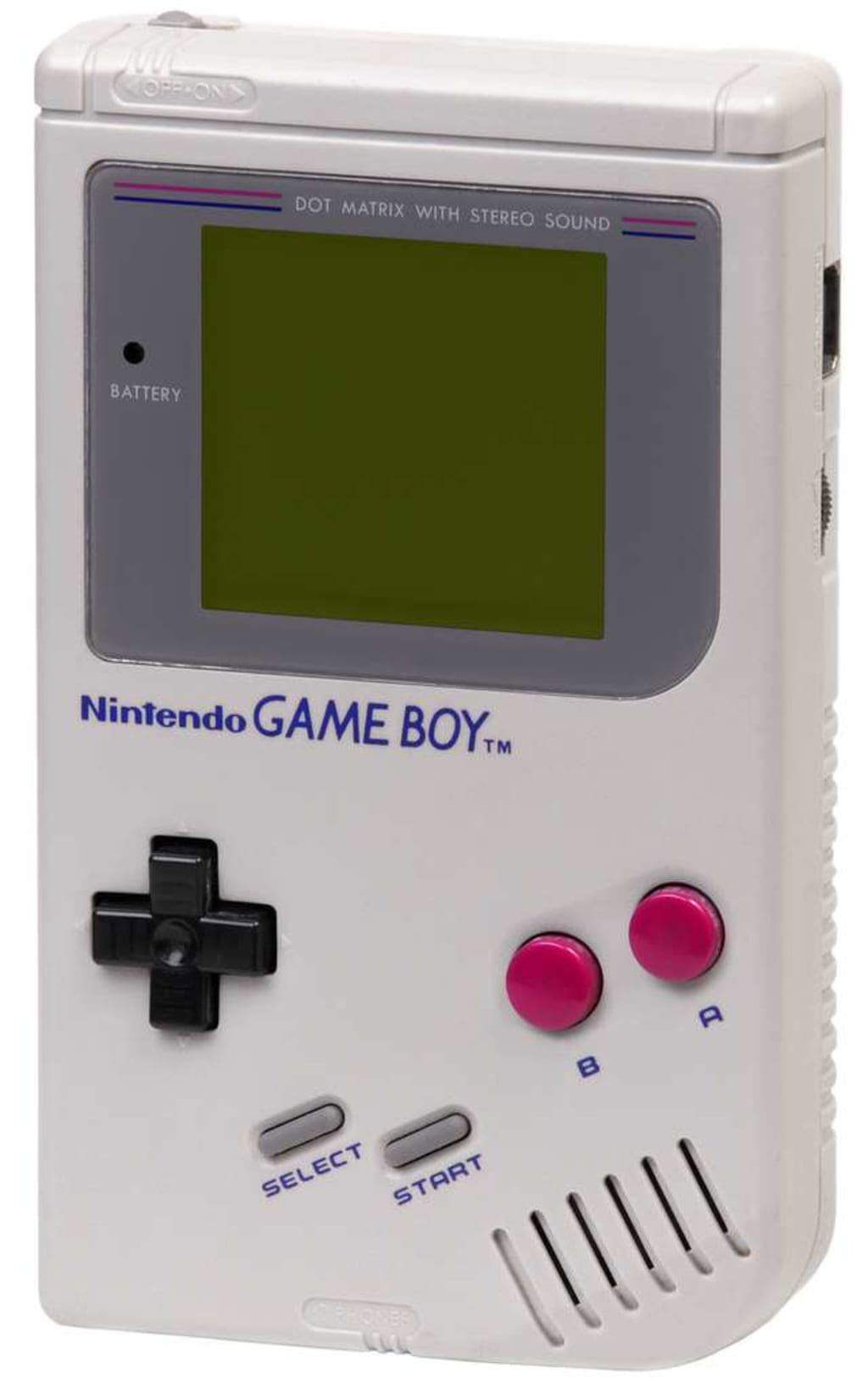
The Nintendo Game Boy, released in 1989, is often regarded as one of the most significant milestones in the history of video gaming. This handheld console not only changed the way people interacted with video games but also laid the groundwork for future portable gaming devices. In this article, we will explore the origins of the Game Boy, its design and technology, its impact on the gaming industry, and its legacy that continues to influence gaming today.
Origins of the Game Boy
The concept of portable gaming was not new when Nintendo began developing the Game Boy. Before its release, there were several attempts at handheld gaming devices, but none had achieved significant success. Nintendo, a company already well-established in the gaming industry with its successful home consoles like the NES, sought to create a device that would allow gamers to enjoy their favorite titles on the go.
The Game Boy was developed under the leadership of Gunpei Yokoi, a Nintendo engineer who had previously created the Game & Watch series, a line of handheld electronic games. Yokoi's vision was to create a device that was affordable, durable, and easy to use. The Game Boy was designed to be simple yet effective, with a focus on gameplay rather than flashy graphics.
Design and Technology
The Game Boy's design was a significant factor in its success. It featured a compact, rectangular shape that was easy to hold, with a monochrome LCD screen measuring 2.6 inches diagonally. The screen displayed graphics in four shades of gray, which was a stark contrast to the colorful graphics of home consoles at the time. However, the simplicity of the graphics did not detract from the gaming experience; instead, it allowed for longer battery life and a more affordable price point.
Powered by four AA batteries, the Game Boy could last up to 30 hours of gameplay, a remarkable feat for a portable device. This long battery life was a crucial selling point, as it allowed players to enjoy gaming sessions without the constant worry of recharging or replacing batteries.
The control layout of the Game Boy was intuitive, featuring a directional pad (D-pad), two action buttons (A and B), and start and select buttons. This simple control scheme made it accessible to players of all ages and skill levels. The Game Boy also had a link cable port, allowing two devices to connect for multiplayer gaming, a feature that was groundbreaking at the time.
Launch and Initial Reception
The Game Boy was launched in Japan on April 21, 1989, and in North America on July 31, 1989. It was bundled with the iconic game Tetris, which played a significant role in the console's initial success. Tetris, a puzzle game that required players to arrange falling blocks, was not only addictive but also showcased the Game Boy's capabilities. The combination of the Game Boy and Tetris quickly became a cultural phenomenon, leading to massive sales.
Upon its release, the Game Boy received positive reviews from both critics and consumers. Its affordability, for $89.99, made it accessible to a wide audience. Within a few months, the Game Boy became the best-selling handheld console, and by the end of its first year, it had sold over 1 million units in Japan alone.
Game Library and Iconic Titles
One of the key factors that contributed to the Game Boy's success was its extensive library of games. Nintendo and third-party developers quickly recognized the potential of the handheld market and began creating titles that would appeal to a broad audience. Some of the most iconic games for the Game Boy included:
- Super Mario Land: Released in 1989, this platformer introduced players to a new adventure featuring Mario, complete with new enemies and power-ups. It was a commercial success and helped solidify the Game Boy's reputation as a gaming device.
- The Legend of Zelda: Link's Awakening: Launched in 1993, this action-adventure game was the first Zelda title to be released on a handheld console. It was praised for its engaging story, innovative gameplay mechanics, and charming graphics.
- Pokémon Red and Blue: Released in 1996, these role-playing games introduced players to the world of Pokémon, where they could catch, train, and battle creatures. The Pokémon franchise would go on to become one of the most successful and recognizable brands in gaming history.
- Metroid II: Return of Samus: This sequel to the original Metroid game was released in 1991 and expanded on the exploration and gameplay mechanics that fans loved.
The Game Boy's library featured a diverse range of genres, from platformers and puzzle games to RPGs and sports titles. This variety ensured that there was something for everyone, contributing to the console's widespread appeal.
Cultural Impact and Legacy
The Game Boy's influence extended far beyond its sales figures. It played a crucial role in popularizing handheld gaming and set the standard for future portable devices. The success of the Game Boy led to the development of several successors, including the Game Boy Color, Game Boy Advance, and eventually the Nintendo DS and Nintendo Switch.
The Game Boy also had a significant impact on gaming culture. It introduced the concept of gaming on the go, allowing players to enjoy their favorite titles during commutes, road trips, or while waiting in line. This shift in how games were consumed helped to establish gaming as a mainstream form of entertainment.
Moreover, the Game Boy's design and functionality influenced the development of future handheld consoles. The emphasis on portability, battery life, and a user-friendly interface became essential features for subsequent devices. The Game Boy's success also encouraged other companies to enter the handheld market, leading to a variety of competing devices.
The Game Boy Today
Even decades after its initial release, the Game Boy remains a beloved piece of gaming history. Retro gaming enthusiasts continue to cherish the original Game Boy and its successors, often seeking out vintage units and games. The nostalgia associated with the Game Boy has led to a resurgence of interest in retro gaming, with many players revisiting classic titles or discovering them for the first time.
In recent years, Nintendo has capitalized on this nostalgia by re-releasing classic Game Boy titles on modern platforms, such as the Nintendo Switch Online service. This allows a new generation of gamers to experience the charm and simplicity of the Game Boy's library.
Additionally, the Game Boy has inspired a thriving community of modders and enthusiasts who create custom hardware and software, breathing new life into the classic device. From backlit screens to enhanced audio capabilities, these modifications showcase the enduring appeal of the Game Boy and its games.
Conclusion
The Nintendo Game Boy is more than just a handheld gaming console; it is a cultural icon that transformed the gaming landscape. Its innovative design, extensive library of games, and impact on gaming culture have left an indelible mark on the industry. As we look back on the legacy of the Game Boy, it is clear that its influence continues to resonate in the world of gaming today. Whether through nostalgia, modern re-releases, or the ongoing passion of retro gaming communities, the Game Boy remains a beloved symbol of gaming history.
About the Creator
Trend Vantage
Covering the latest trends across business, tech, and culture. From finance to futuristic innovations, delivering insights that keep you ahead of the curve. Stay tuned for what’s next!
Keep reading
More stories from Trend Vantage and writers in Gamers and other communities.
The Evolution of Fortnite Live Events: A Cultural Phenomenon
Fortnite, developed by Epic Games, has transcended the realm of video games to become a cultural phenomenon. Since its launch in 2017, the game has captivated millions of players worldwide, not just through its engaging gameplay but also through its innovative live events. These events have redefined how players interact with games, creating a unique blend of entertainment, storytelling, and community engagement. In this article, we will explore the evolution of Fortnite live events, their impact on the gaming community, and what the future may hold for this groundbreaking approach to interactive entertainment.
By Trend Vantage5 months ago in Gamers
Rsvsr Path of Exile 2 0.1.1: Boss Respawns and New League Preview
The Path of Exile 2 community is buzzing! The 0.1.1 update is finally here, and while it’s a smaller patch, it brings some significant improvements that make the game more enjoyable, strategic, and exciting. Grinding Gear Games has focused on quality-of-life changes, balance tweaks, and preparing players for the next highly anticipated league. Here’s everything you need to know.
By Dangyc Dingabout 3 hours ago in Gamers
New Mission Mario Tennis Fever (Switch 2)
📅 Releasing on February 12, 2026 exclusively for Nintendo Switch 2 — Mario Tennis Fever serves up the next evolution of Nintendo’s beloved sports franchise, combining classic court action with whimsical new mechanics, an expanded roster, and fresh game modes that promise fun for solo players and groups alike.
By Games Mode Onabout 5 hours ago in Gamers


Comments
There are no comments for this story
Be the first to respond and start the conversation.