
THE IMPORTANCE OF CULTURAL REPRESENTATION IN THE OLYMPIC GAMES
Celebrating Diversity and Promoting Global Unity Through Sport.

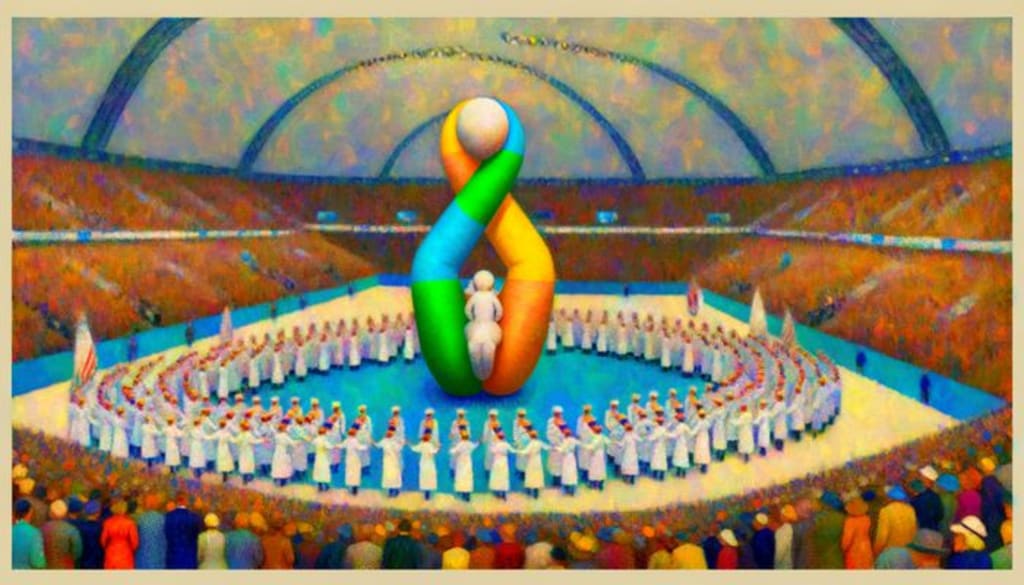
The Olympic Games, one of the most significant sporting events in the world, bring together athletes from diverse nations to compete in a spirit of unity and friendly competition. While the primary focus of the Olympics is athletic achievement, the event holds a deeper cultural significance. Cultural representation in the Olympic Games is crucial for several reasons, including fostering global unity, showcasing national pride, promoting diversity, and creating opportunities for cross-cultural exchange. In this essay, we will explore the importance of cultural representation in the Olympic Games and its broader impact on the world.
Fostering Global Unity
One of the most powerful aspects of the Olympics is its ability to bring people together from all over the world, regardless of their nationality, ethnicity, or background. The Olympic Games provide a platform where cultures can be celebrated side by side, allowing for the exchange of ideas, traditions, and values. Through the participation of athletes from various countries, the Games foster a sense of global unity and understanding.
For instance, the opening ceremonies of the Olympics often showcase the rich cultural traditions of the host nation, highlighting music, dance, and customs that reflect the nation’s heritage. This provides the world with a chance to experience and appreciate a culture they might not otherwise encounter. In this way, the Olympics are not just about sport, but about uniting the global community through shared experiences and respect for diversity.
Showcasing National Pride
For many nations, the Olympics are an opportunity to showcase their culture and heritage on the world stage. Athletes become symbols of national pride, representing not only their sporting prowess but also the unique cultural values and traditions of their home countries. The Games allow nations to present their identity in a positive and celebratory light, boosting national morale and unity.
When athletes perform well on the global stage, it provides a sense of validation for their culture. For example, when a country wins a medal, it is not just the athlete who is celebrated, but the culture, the training systems, and the collective effort of the nation that is acknowledged. This enhances the pride and motivation of the people in that country and encourages future generations to engage in sports and cultural preservation.
Moreover, the Olympic Games offer an opportunity for nations to share their cultural contributions, whether it is through traditional dress, cuisine, or artistic performances. For instance, the Brazilian Carnival-inspired performances at the 2016 Rio Olympics brought global attention to the country’s vibrant cultural identity, which was celebrated by millions of viewers around the world.
Promoting Diversity and Inclusion
The Olympics are one of the few events where diversity is not just accepted but actively celebrated. Athletes from every continent, culture, and background are encouraged to participate, ensuring that a wide range of experiences and identities are represented. Cultural representation within the Olympics is essential for promoting inclusion and breaking down barriers of discrimination and prejudice.
The inclusion of athletes from various ethnic backgrounds and regions ensures that no group is marginalized, and their cultures are seen as equal in the eyes of the world. For example, the increasing presence of female athletes, athletes with disabilities, and athletes from traditionally underrepresented nations and communities in the Olympics signals a positive shift toward greater inclusivity.
The representation of cultural diversity is not only a celebration of differences but also an acknowledgment of the shared human experience. Athletes, regardless of their background, are united by the same goal of achieving excellence in their sport, which emphasizes the universal values of determination, perseverance, and teamwork.
Encouraging Cross-Cultural Exchange
The Olympic Games provide a unique environment for cross-cultural exchange. In addition to the competition, athletes and spectators have the opportunity to interact with people from different cultural backgrounds. This exchange helps to challenge stereotypes, promote understanding, and create lasting relationships across borders.
Cultural exchange is particularly prominent in the Olympic Village, where athletes from all over the world live and train together. This environment fosters camaraderie and allows athletes to learn about each other’s customs and traditions, broadening their worldview and enhancing their cultural appreciation. For many athletes, the Olympics are not just about competing but also about learning from their peers and forming international friendships.
Moreover, the Olympic Games serve as a platform for cultural diplomacy. Through the shared experience of sport, nations can build stronger diplomatic ties and create opportunities for collaboration in areas beyond athletics, such as business, education, and politics.
End
Cultural representation in the Olympic Games is more than just an aesthetic or symbolic gesture; it is a fundamental aspect of the Games’ mission to promote unity, diversity, and mutual respect among the world’s nations. The Olympic Games serve as a powerful reminder that, despite our differences, we share common values and aspirations. By showcasing a wide array of cultural traditions, the Games not only celebrate athletic achievement but also foster a sense of global community. As the world becomes increasingly interconnected, the importance of cultural representation in the Olympics will continue to play a key role in shaping a more inclusive and harmonious global society.
About the Creator
Badhan Sen
Myself Badhan, I am a professional writer.I like to share some stories with my friends.
Keep reading
More stories from Badhan Sen and writers in Gamers and other communities.
THE ROLE OF TECHNOLOGY AND INNOVATION IN THE MODERN OLYMPICS
The Olympic Games, the world's largest and most prestigious sporting event, has always been a celebration of athletic prowess, unity, and cultural exchange. However, the modern Olympics have evolved significantly, incorporating cutting-edge technology and innovation to enhance performance, improve the viewing experience, and promote sustainability. Over the years, technological advancements have played an essential role in shaping the games, influencing everything from the way athletes train and compete to how fans engage with the event.
By Badhan Senabout a year ago in Gamers
Arc Raiders 2026 Gameplay Breakdown
Arc Raiders is one of the most anticipated cooperative action games expected to release in 2026. Developed by Embark Studios, the game has attracted strong interest in the U.S. because of its blend of tactical combat, cooperative play, and a science-fiction setting focused on survival rather than excess or shock value.
By Games Mode Ona day ago in Gamers
Rsvsr Path of Exile 2 0.1.1: Boss Respawns and New League Preview
The Path of Exile 2 community is buzzing! The 0.1.1 update is finally here, and while it’s a smaller patch, it brings some significant improvements that make the game more enjoyable, strategic, and exciting. Grinding Gear Games has focused on quality-of-life changes, balance tweaks, and preparing players for the next highly anticipated league. Here’s everything you need to know.
By Dangyc Ding6 days ago in Gamers



Comments (1)
The Olympics are a great humanitarian effort to instill a sense of friendship and cooperation among countries.