
THE IMPORTANCE OF EQUESTRIAN EVENTS IN OLYMPIC HISTORY
Equestrian Events:A Key Pillar in Olympic Tradition and Legacy

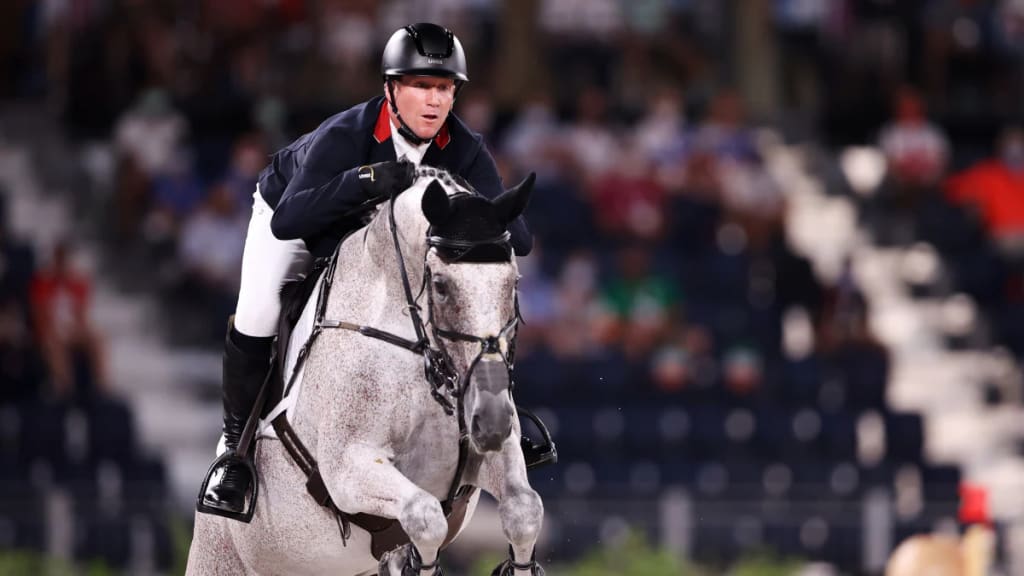
Equestrian events have held a unique and prestigious place in the history of the Olympic Games. As one of the few Olympic sports that involve both human and animal athletes working in harmony, equestrian competitions symbolize the profound bond between humans and horses. These events have showcased not only physical skill and athleticism but also discipline, trust, and teamwork. From their early inclusion in the modern Olympics to their continued evolution, equestrian sports have enriched the Olympic movement and captured the imagination of audiences worldwide. This essay explores the significance of equestrian events in Olympic history, their contribution to the Games' cultural and sporting legacy, and their enduring appeal.
(I)Historical Significance
Equestrian events were first introduced to the Olympics in 1900 at the Paris Games, although they did not become a regular feature until 1912 in Stockholm. The inclusion of equestrian sports was largely influenced by their historical roots in military training and the broader cultural importance of horses in human civilization. Initially, the events were restricted to military officers, reflecting the strong connection between equestrianism and cavalry traditions. Over time, however, the sport became more inclusive, allowing civilian participation and the involvement of women starting in 1952.
The three primary disciplines of Olympic equestrian sports—dressage, show jumping, and eventing—each have unique origins and appeal. Dressage, often described as "horse ballet," emphasizes precision, grace, and harmony between rider and horse. Show jumping tests the agility and skill of horse and rider in navigating a course of obstacles. Eventing, the most demanding of the three, combines dressage, cross-country, and show jumping, requiring versatility and endurance. Together, these disciplines demonstrate the wide range of equestrian capabilities and have set a high standard for excellence in the sport.
(II)Symbolism and Cultural Impact
Equestrian events are emblematic of the values of partnership and mutual respect. This unique dynamic underscores the importance of trust, communication, and understanding—qualities that transcend the boundaries of sport and resonate with universal human experiences.
Culturally, equestrian events have brought attention to the historical and artistic significance of horses. From ancient civilizations to modern times, horses have played a vital role in transportation, agriculture, and warfare. Their inclusion in the Olympics celebrates this legacy while elevating equestrian sports to the highest level of athletic competition. Additionally, equestrianism has often been associated with grace, elegance, and nobility, qualities that enhance the prestige of the Olympic Games.
(III)Contributions to Gender Equality
Equestrian sports have been a trailblazer in promoting gender equality within the Olympic movement. Since 1952, equestrian events have been one of the few Olympic sports where men and women compete on equal terms, without separate categories. This inclusive framework highlights the sport’s emphasis on skill, precision, and partnership over physical strength, making it a progressive example of gender parity in athletics.
Over the years, equestrian events have witnessed remarkable performances by female athletes. Icons such as Lis Hartel of Denmark, who won silver in dressage at the 1952 and 1956 Olympics despite being paralyzed from polio, have inspired generations of riders and demonstrated the inclusive and empowering nature of the sport. This commitment to equality aligns with the broader values of the Olympic movement and underscores the importance of equestrian sports in fostering diversity and inclusivity.
(IV)Evolution and Modern Challenges
The evolution of equestrian events in the Olympics reflects broader changes in society and sport. Advances in training techniques, equipment, and veterinary care have enhanced the safety and performance of both riders and horses. Furthermore, the sport has embraced technology, such as video analysis and data tracking, to improve training and competition outcomes.
However, equestrian sports also face challenges in maintaining their relevance and accessibility. Critics often cite the high costs of participation, which can limit diversity and global representation. Additionally, concerns about animal welfare have prompted the International Olympic Committee (IOC) and the Fédération Équestre Internationale (FEI) to adopt stricter regulations and promote ethical practices.
Despite these challenges, equestrian events continue to thrive and attract passionate audiences. The sport’s enduring appeal lies in its rich history, the beauty of human-animal collaboration, and its ability to inspire awe and admiration. By addressing modern challenges and embracing innovation, equestrian sports can ensure their place in the future of the Olympics.
(V)Enduring Legacy
Equestrian events have left an indelible mark on Olympic history, enriching the Games with their unique blend of athleticism, artistry, and tradition. They have celebrated the extraordinary partnership between humans and horses, symbolized values of trust and equality, and provided a platform for exceptional athletes to showcase their skills.
As the Olympics continue to evolve, equestrian sports serve as a reminder of the Games’ mission to celebrate diversity, foster understanding, and promote excellence. Their significance extends beyond medals and records; they represent a profound connection between humans and animals and the enduring spirit of the Olympic movement. By honoring their past and embracing the future, equestrian events will remain a vital and cherished part of Olympic history for generations to come.
About the Creator
Badhan Sen
Myself Badhan, I am a professional writer.I like to share some stories with my friends.
Keep reading
More stories from Badhan Sen and writers in Gamers and other communities.
THE CONTROVERSY AROUND THE INCLUSION OF RUGBY SEVENS IN THE OLYMPICS
The inclusion of Rugby Sevens in the Olympics has sparked extensive debate and controversy since its debut at the 2016 Rio Games. While the sport’s proponents celebrate its addition as a reflection of rugby’s growing global popularity and its fast-paced, viewer-friendly format, critics have raised concerns about its compatibility with the Olympics’ ethos, logistical challenges, and its impact on traditional Olympic sports. This essay explores the key aspects of the controversy surrounding Rugby Sevens in the Olympic Games.
By Badhan Senabout a year ago in Gamers
Palworld TCG Guide: Release Date, How to Play, and Bushiroad Card List
The survival gaming world was recently rocked by an announcement that many saw coming but few expected to be this ambitious. Pocketpair has officially pulled back the curtain on the Palworld Trading Card Game, a physical tabletop experience developed in partnership with the industry giants at Bushiroad.
By Richard Bailey3 days ago in Gamers
From Stories to Systems
For a long time, this space has been a bit… quiet. If you’ve stumbled across this blog before, you might have seen short stories, poems, or bits of fiction—creative experiments written at different points in my life. That part of me hasn’t disappeared. I still love storytelling, world-building, and exploring ideas through narrative.
By D. E. King3 days ago in Gamers



Comments
There are no comments for this story
Be the first to respond and start the conversation.