
THE IMPACT OF THE OLYMPICS ON RACE RELATIONS AROUND THE WORLD
Examining the Olympics Role in Shaping Racial Dynamics Globally.

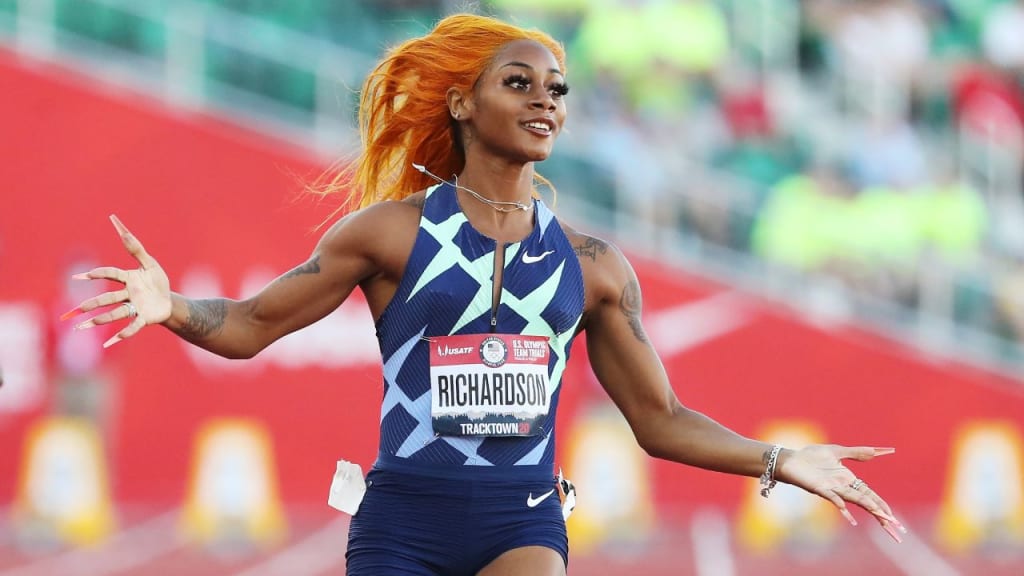
The Olympic Games, held every four years, are one of the most Globally recognized and widely watched events. Beyond the athletic feats and celebrations of excellence, the Olympics have played a significant role in shaping race relations around the world. From the early days of the Games to the present, they have provided a stage for athletes to challenge racial inequalities, foster unity, and sometimes highlight the struggles of marginalized groups. The Olympics have served both as a symbol of progress and a reflection of the racial tensions that persist in many societies. This essay explores how the Olympics have impacted race relations, highlighting moments of progress, tension, and controversy.
(I)Early Exclusion and Segregation
In the early history of the Olympics, racial exclusion and segregation were prevalent. The first modern Olympic Games in 1896 in Athens were predominantly limited to white, European athletes, with very few people of color allowed to participate. For example, despite the growing popularity of track and field in the United States, African Americans were excluded from many Olympic teams due to racial discrimination. This exclusion was part of a larger social trend that reflected the racial inequalities of the time, not only in sports but across all aspects of life.
The U.S. Olympic Committee did not invite black athletes to the Games until the 1930s, and even then, African Americans faced significant barriers to competing. The Olympics reflected the broader societal racism, particularly in the United States, where Jim Crow laws enforced racial segregation. These early instances of exclusion laid the foundation for later struggles for racial equality within the Olympic framework.
(II)The 1936 Berlin Olympics and the Fight Against Nazi Racism
One of the most notable moments in Olympic history with respect to race relations occurred at the 1936 Berlin Olympics, which were held under Nazi Germany. The Games were used by Adolf Hitler as a propaganda tool to promote the superiority of the Aryan race. However, the success of African American athletes, particularly the legendary Jesse Owens, challenged this narrative and made a profound statement about racial equality.
Owens, an African American sprinter, won four gold medals in Berlin, defying Nazi ideologies and providing a powerful counter-narrative to the racist rhetoric of the time. His victories demonstrated that talent, not race, determined success in athletics, and his achievements became a symbolic triumph for racial equality. Owens' success at the 1936 Olympics also brought attention to the pervasive racial discrimination in the United States, where he faced segregation and marginalization despite his Olympic victories.
(III)The 1968 Mexico City Olympics and the Black Power Movement
The 1968 Olympics in Mexico City marked another critical moment in the intersection of the Olympics and race relations. This was a time when the Civil Rights Movement in the United States was at its height, and the fight for racial equality was gaining momentum. Two African American athletes, Tommie Smith and John Carlos, made history during the medal ceremony for the 200-meter race.
Both athletes raised their fists in a Black Power salute on the podium, symbolizing solidarity with the struggle for racial justice and highlighting the ongoing struggles against racial discrimination in the United States. Their protest was an act of defiance that not only brought attention to the civil rights movement but also demonstrated the power of the Olympics as a platform for political activism. The Olympic authorities condemned their actions, and both Smith and Carlos faced significant backlash, but their protest remains one of the most iconic moments in Olympic history, emphasizing the intersection of sport and social change.
(IV)The 1980 and 1984 Olympic Boycotts
The Cold War period also saw race relations become intertwined with global political tensions. The 1980 Moscow Olympics were marred by a boycott led by the United States, which was protesting the Soviet Union's invasion of Afghanistan. In response, the Soviet Union and its allies boycotted the 1984 Los Angeles Olympics. These boycotts had lasting implications on the racial dynamics of the Games, as many athletes from the U.S. and other countries of color were denied the opportunity to compete at the highest level due to geopolitical tensions.
While these boycotts were primarily politically motivated, they also impacted race relations by limiting the visibility of minority athletes and reducing opportunities for cross-cultural exchange and the celebration of diversity. The absence of athletes from certain countries sometimes reinforced stereotypes about race and political ideologies, underscoring how Olympic participation could be shaped by more than just athletic merit.
(V)Recent Developments and Progress
In more recent years, the Olympics have seen significant strides in promoting racial inclusivity, although challenges remain. The 2008 Beijing Olympics and the 2016 Rio de Janeiro Olympics, for instance, saw a more diverse array of athletes representing a global spectrum of racial and ethnic backgrounds. Additionally, the success of athletes like Serena Williams in tennis, Usain Bolt in track and field, and Simone Biles in gymnastics has helped to break down racial barriers in sports traditionally dominated by certain Groups.
However, the Olympics also reflect the ongoing struggles faced by marginalized communities. The controversies surrounding the participation of athletes like Colin Kaepernick, who was banned from the NFL after taking a knee to protest police brutality, highlight how the intersection of race, activism, and sport remains contentious. The Olympic Games continue to be a platform for athletes to use their voices to challenge societal issues, and these moments of protest often spark broader conversations about race, privilege, and equality.
In The End
The impact of the Olympics on race relations is complex and multifaceted. While the Games have provided a global platform for showcasing athletic talent and fostering unity, they have also reflected and, at times, exacerbated the racial tensions and inequalities that exist in society. From early exclusion to moments of protest and activism, the Olympics have been both a symbol of progress and a reminder of the work still needed to achieve racial equality. Through these struggles and triumphs, the Olympics have demonstrated that sport can be a powerful vehicle for social change, challenging long-held stereotypes and advancing the cause of racial justice worldwide.
About the Creator
Badhan Sen
Myself Badhan, I am a professional writer.I like to share some stories with my friends.
Keep reading
More stories from Badhan Sen and writers in Gamers and other communities.
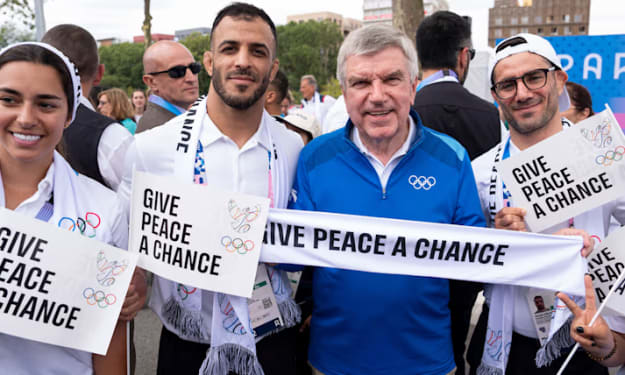
THE ROLE OF THE OLYMPICS IN ADVANCING GLOBAL PEACE INITIATIVES
The Olympics have long been more than just a global sports competition. Since its inception in ancient Greece and the revival in 1896, the Olympic Games have grown into a major event that transcends sport, becoming a symbol of peace, unity, and global cooperation. Although the primary purpose of the Olympics is to promote athletic excellence, its role in advancing global peace initiatives cannot be overlooked. The Games offer a platform for fostering diplomatic relations, reducing global tensions, and promoting shared values such as respect, fairness, and cooperation among Nations.
By Badhan Senabout a year ago in Gamers
Essential Golf Tips Every Beginner Needs to Improve Their Game
Golf is a rewarding sport that combines skill, patience, and strategy. For beginners, the game can feel challenging because it requires mastering several techniques at once. Many new golfers focus too much on hitting the ball far instead of learning the fundamentals that lead to consistent performance. Improvement comes from developing good habits early, practicing with purpose, and understanding how each part of the game works together. With the right approach and consistent effort, beginners can build confidence and steadily improve their performance on the course.
By Daniel Ladner4 days ago in Gamers
7 Methods to Earn MLB The Show 26 Stubs Fast
In MLB The Show 26, stubs are the in-game currency that players use to purchase packs, cards, and other valuable items. Earning stubs can be challenging, but with the right strategies, you can accumulate them efficiently. Here are seven methods to help you earn stubs quickly without feeling overwhelmed.
By Snow maner2 days ago in Gamers


Comments (1)
Good job in explaining Olympic race relations.