
THE HISTORY OF ALPINE SKIING IN THE WINTER OLYMPICS
From Pioneering Events to Global Spotlight.

The History of Alpine Skiing in the Winter Olympics
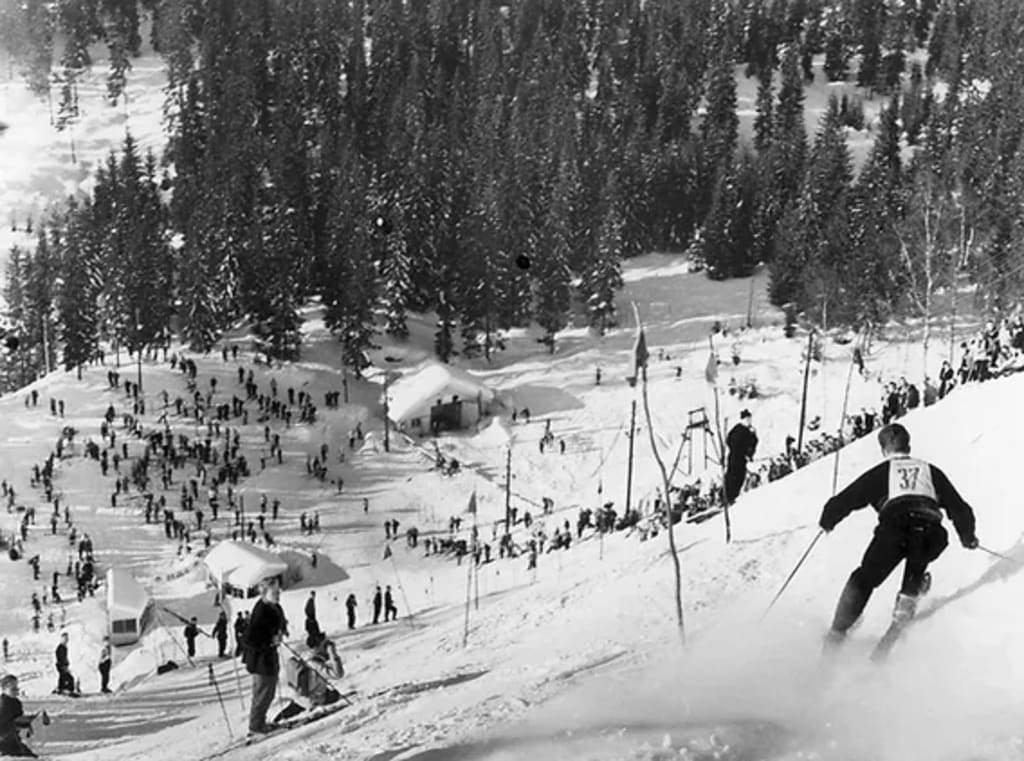
Alpine skiing has become one of the most thrilling and watched events in the Winter Olympics, but its journey to prominence in the Games has been gradual and fascinating. With roots in the snowy mountains of Europe, alpine skiing made its Olympic debut in the 1930s and has since grown to represent a key aspect of the Winter Olympic Games.
Early Origins of Alpine Skiing
Alpine skiing traces its origins to the mountainous regions of Europe, where people began skiing as a means of transportation and recreation long before the sport gained worldwide recognition. By the late 19th century, skiing was becoming more organized, especially in Norway, Austria, and Switzerland, where skiers began to develop techniques for downhill racing. The establishment of ski clubs and events throughout Europe laid the foundation for what would eventually become the discipline of alpine skiing.
Introduction to the Winter Olympics
Alpine skiing made its first appearance at the Winter Olympic Games in 1936 at the Garmisch-Partenkirchen Winter Olympics in Germany. The event was included after much deliberation, with the International Olympic Committee (IOC) recognizing the growing popularity of skiing in Europe. The inaugural alpine skiing event featured only two events: the men's and women's combined events, which included both downhill and slalom courses.
Though the inclusion of alpine skiing was initially met with skepticism, it became clear that the sport's potential to captivate audiences and athletes alike was immense. The combination of speed, technical skill, and the scenic beauty of the mountain backdrop made it a natural fit for the Winter Games. The success of alpine skiing in 1936 set the stage for its future role in the Olympics.
The Growth of the Sport
In the years following its Olympic debut, alpine skiing rapidly grew in popularity and began to evolve into the highly competitive sport we know today. As ski technology improved, athletes began to push the boundaries of what was possible on the slopes. The 1948 Winter Olympics in St. Moritz saw the introduction of separate men's and women's events for downhill and slalom, making the competition more focused and fair for both genders.
The growth of alpine skiing was not limited to the Olympic stage. It began to attract more athletes, sponsors, and viewers as the sport spread across the globe. As technology continued to improve, ski equipment became more advanced, allowing athletes to achieve greater speeds and execute more complex maneuvers. Throughout the decades, alpine skiing has become synonymous with precision, speed, and bravery, and it remains one of the marquee events of the Winter Olympics.
Notable Athletes and Key Moments
Over the years, numerous athletes have left an indelible mark on alpine skiing, setting records, pushing the boundaries of the sport, and inspiring generations to come. One of the most famous figures in alpine skiing history is Jean-Claude Killy, a French skier who dominated the sport during the 1960s. Killy won three gold medals at the 1968 Winter Olympics in Grenoble, cementing his status as a skiing legend. His victories elevated alpine skiing to new heights and inspired a global following for the sport.
In more recent years, American skier Lindsey Vonn has become one of the sport’s most recognized and successful figures. Vonn won numerous World Cup titles and became the first American woman to win Olympic gold in the downhill event at the 2010 Vancouver Olympics. Her success and longevity in the sport helped bring alpine skiing into the spotlight, especially in the United States.
Another iconic figure is Austrian skier Marcel Hirscher, who has become one of the most dominant slalom and giant slalom competitors of the modern era. Hirscher’s dominance in the World Cup circuit and his consistent podium finishes in Olympic events have made him one of the greatest alpine skiers of all time.
The Evolution of Events and Categories
As alpine skiing grew in popularity, the Olympic events themselves began to evolve. The 1980 Winter Olympics in Lake Placid introduced the super-G (super giant slalom), an event that combined the speed of downhill skiing with the technicality of giant slalom. This new discipline proved to be a thrilling addition to the Olympic program.
The 2010 Winter Olympics in Vancouver saw another significant development with the inclusion of the women’s super-combined event, a race that combined downhill and slalom runs in one competition. Today, the Olympic alpine skiing program consists of multiple events: men’s and women’s downhill, slalom, giant slalom, super-G, and the combined, which includes both downhill and slalom disciplines.
The Future of Alpine Skiing
Alpine skiing continues to be one of the most anticipated and popular events at the Winter Olympics. As ski technology continues to evolve, the sport is expected to see even more breathtaking performances, with athletes breaking new records and showcasing extraordinary skill. Advances in equipment, such as lighter skis and improved safety gear, have enhanced both the performance and safety of competitors, ensuring that the sport remains thrilling for years to come.
In addition, the popularity of alpine skiing continues to grow beyond the Olympics. The sport attracts millions of viewers from around the world, both during the Games and through events like the World Cup circuit. This global fan base ensures that alpine skiing will remain a mainstay in the Winter Olympics for generations to come.
Conclusion
Alpine skiing’s journey from a relatively unknown sport to one of the most exciting and prestigious events at the Winter Olympics is a testament to its enduring appeal and the skill and bravery of the athletes who compete in it. The sport’s evolution over the decades, driven by advances in technology and the dedication of athletes, has ensured that it will continue to captivate audiences around the world for many Olympic Games to come. As we look ahead, the future of alpine skiing in the Winter Olympics is bright, with athletes pushing the boundaries of speed, technique, and performance.
About the Creator
Badhan Sen
Myself Badhan, I am a professional writer.I like to share some stories with my friends.
Keep reading
More stories from Badhan Sen and writers in Gamers and other communities.
THE RISE OF SNOWBOARDING AT THE WINTER OLYMPICS
The Rise of Snowboarding at the Winter Olympics Snowboarding, once considered a rebellious alternative to traditional winter sports, has experienced a remarkable rise in the Winter Olympics, becoming a fan-favorite and an iconic event. The journey of snowboarding from the fringes of winter sports culture to a mainstream Olympic competition is an inspiring tale of innovation, determination, and cultural shift.
By Badhan Senabout a year ago in Gamers
Dodgers
The Los Angeles Dodgers have long been one of the most influential franchises in MLB, known for combining elite player development with the financial flexibility to pursue top-tier talent. From consistent postseason appearances to being counted among recent World Series winners, the Dodgers continue to shape league-wide conversations. As the new season approaches, Dodgers news is once again dominated by roster construction, payroll discussions, and persistent MLB trade rumors—especially those surrounding Kyle Tucker. The Dodgers’ Identity in Modern MLB Few teams balance tradition and innovation quite like the LA Dodgers. Their front office has mastered analytics while still valuing star players who can deliver in October. The current Dodgers roster reflects that philosophy, blending established veterans with emerging talent. Over the years, names like Cody Bellinger have defined eras of success, while new possibilities continue to fuel speculation. The Dodgers’ ability to remain competitive is also tied to their willingness to maintain a high Dodgers payroll. While they are not reckless spenders, they are strategic—targeting players who can elevate both performance and brand value. Kyle Tucker and Why He Fits the Dodgers Narrative Among the most discussed names in recent MLB rumors is Kyle Tucker. A consistent offensive presence and reliable defender, Tucker has emerged as one of the most complete players in modern baseball. Naturally, that has led to growing interest in a potential Kyle Tucker Dodgers scenario. So, what position does Kyle Tucker play? Tucker is primarily a right fielder, though his athleticism allows flexibility across the outfield. That versatility makes him especially attractive to teams like the Dodgers, who value adaptable Dodgers outfielders capable of handling high-pressure situations. The phrase “Tucker baseball” has become shorthand for a balanced skill set: power, patience, and postseason reliability. It’s no surprise that Kyle Tucker news often trends alongside big-market teams. Contracts, Agents, and the Cost of Stardom Any serious discussion of Tucker to Dodgers inevitably leads to contract considerations. The idea of a Kyle Tucker contract Dodgers deal raises questions about years, value, and long-term impact. While no official Kyle Tucker deal has been announced, speculation continues around what such a move would require. The Kyle Tucker agent would likely prioritize both financial security and a winning environment—two things the Dodgers can credibly offer. Still, committing to a potential Kyle Tucker Dodgers contract would require careful planning, especially with other stars already on the books. Misspellings like kyle.tucker, kyle tuxker, or even kyke tucker frequently appear in online searches, underscoring just how much attention surrounds him across the baseball world. How Tucker Could Shape the Dodgers Lineup If a Dodgers Tucker scenario ever materializes, it would have a major impact on the Dodgers lineup. A projected middle-of-the-order bat like Tucker could slot seamlessly into a Dodgers projected lineup, offering protection for existing stars and adding depth in late-game situations. Comparisons have been drawn between Tucker and former Dodgers standouts like Bellinger, particularly in terms of two-way impact. While Cody Bellinger brought elite defense and timely power, Tucker offers a more consistent offensive profile year over year. Competition From the Mets and Other MLB Teams Of course, the Dodgers are not alone in pursuing elite talent. The NY Mets, backed by owner Steve Cohen, have made it clear they are willing to spend aggressively. Mets news often mirrors Dodgers news, especially when it comes to top-tier MLB free agents and trade targets. Names like Edwin Diaz and Bo Bichette frequently appear in league-wide discussions, highlighting how interconnected roster decisions have become. Any move involving Tucker would likely ripple across the league, influencing strategies for teams like the Mets, who remain active in both free agency and trades. MLB Trade Rumors and the Bigger Picture Sites such as MLBTradeRumors regularly analyze scenarios involving Kyle Tucker to Dodgers, though nothing has been confirmed. These rumors reflect a broader truth: elite players drive conversation, even when deals never materialize. The Dodgers understand that not every rumor becomes reality. Still, being linked to players like Tucker reinforces the team’s image as a perennial contender. Whether through trades or internal development, the goal remains the same—build a roster capable of winning another championship. Looking Ahead: What This Means for the Dodgers As the season unfolds, the Dodgers will continue to evaluate opportunities that align with their long-term vision. The idea of Dodgers Kyle Tucker is compelling, but it’s only one chapter in a much larger story about sustained excellence. With a deep farm system, financial flexibility, and a proven track record, the Los Angeles Dodgers remain at the center of MLB news. Whether or not Tucker ever wears Dodger blue, the conversations surrounding him highlight how the franchise continues to influence the direction of the league. In the end, the Dodgers’ success has never hinged on a single move. It’s about smart decisions, calculated risks, and an unwavering commitment to winning—qualities that keep them relevant, respected, and always worth watching.
By Saboor Brohi 3 days ago in Gamers



Comments (2)
Hey, just wanna let you know that this is more suitable to be posted in the Unbalanced community 😊
Great article and downhill/Alpine events are fun to watch till skiers fall.