
THE HISTORICAL ROLE OF OLYMPIC ATHLETES IN SOCIAL JUSTICE MOVEMENTS
How Olympic Athletes Have Shaped Social Justice Movements Through Protest and Advocacy.


The historical role of Olympic athletes in social justice movements has been profound and transformative. The Olympic Games, which began in ancient Greece, have evolved into a global event that attracts attention from every corner of the world. While the primary focus has always been on athletic excellence, the platform provided by the Olympics has also been used by athletes to draw attention to political, social, and human rights issues. Over the years, numerous Olympic athletes have used their visibility and influence to advocate for social justice, challenging societal norms and demanding change.
One of the most iconic moments in this regard occurred at the 1968 Summer Olympics in Mexico City. Two African American athletes, Tommie Smith and John Carlos, made history when they raised their fists in the Black Power salute during their victory ceremony for the 200-meter race. The Gesture was a powerful symbol of protest against racial inequality and the oppression of Black people in the United States. Both Smith and Carlos faced backlash, with the U.S. government and the media condemning their actions. However, their protest became a defining moment in the Civil Rights Movement, inspiring future generations of athletes to use their platforms for activism.
This was not an isolated incident. Throughout the history of the Olympic Games, athletes have used their victories, losses, and public presence to speak out on various social justice issues. The Olympics have often served as a stage for athletes to challenge the status quo and address injustices not only in their home countries but also Globally.
For instance, in the 1936 Berlin Olympics, African American athlete Jesse Owens defied Nazi propaganda by winning four gold medals in track and field. Owens’ success was a direct challenge to Adolf Hitler’s notion of Aryan racial superiority and became a symbol of defiance against racism. Owens' achievements on the world stage not only brought pride to African Americans but also highlighted the hypocrisy of the Nazi regime's racial policies.
In more recent history, athletes such as Colin Kaepernick and Megan Rapinoe have used their positions to address issues of racial injustice and inequality. While Kaepernick did not compete in the Olympics, his protest during an NFL game in 2016, where he kneeled during the national anthem to protest police brutality against Black people, sparked a broader movement. His actions, while controversial, inspired a wave of protests and conversations about race, justice, and freedom of expression in sports.
Similarly, Megan Rapinoe, a member of the U.S. Women's National Soccer Team, has been a vocal advocate for LGBTQ+ rights, gender equality, and racial justice. Rapinoe’s activism reached new heights when she publicly supported the Black Lives Matter movement and called out inequality both within the world of sports and society at large. Rapinoe’s actions underscore the evolving role of athletes as agents of social change, challenging systems of oppression and advocating for the rights of marginalized communities.
The Olympics have also been a platform for athletes to challenge Gender inequality and advocate for women's rights. In 1928, women were first allowed to compete in the Olympic Games in track and field events, marking a significant victory in the struggle for gender equality in sports. Over the years, female athletes have continued to push boundaries, from Billie Jean King’s fight for equal pay in tennis to the rise of Simone Biles, who has used her platform to speak out about mental health and the sexual abuse scandal in gymnastics.
Beyond individual athletes, the Olympics have also witnessed collective acts of protest. In the 1968 Olympics, not only did Smith and Carlos make their stand, but their protest was part of a broader movement among Black athletes to raise awareness about racial injustice. This collective consciousness was not just limited to the U.S.; athletes from other countries, including Mexico’s 1968 gold medalist, Felipe Muñoz, have also used the platform to raise awareness about social issues.
However, the role of Olympic athletes in social justice movements has not been without controversy. The International Olympic Committee (IOC) has historically been resistant to political activism within the Games, often imposing sanctions or penalties on athletes who use their platform for political expression. This has raised questions about the IOC’s stance on free speech and the responsibility of athletes to use their fame for advocacy. While the IOC has claimed to maintain neutrality, its policies have often been criticized for silencing athletes rather than encouraging meaningful dialogue around pressing social issues.
Despite these challenges, the role of Olympic athletes in social justice movements continues to be significant. The global stage provided by the Olympics offers athletes the opportunity to challenge injustices, influence public opinion, and inspire change. Whether through individual actions, collective protests, or advocacy for human rights, athletes have demonstrated that their role extends beyond the field of play. They have become symbols of resistance and hope, showing that sports can be a powerful tool for promoting social change.
In conclusion, the historical role of Olympic athletes in social justice movements is a testament to the power of sports as a platform for activism. From the Black Power salute of 1968 to the modern-day protests led by athletes like Kaepernick and Rapinoe, the Olympics have provided a space for athletes to challenge societal injustices and advocate for equality. While there have been challenges along the way, the actions of these athletes have left a lasting legacy, proving that sports and social justice are deeply intertwined.
About the Creator
Badhan Sen
Myself Badhan, I am a professional writer.I like to share some stories with my friends.
Keep reading
More stories from Badhan Sen and writers in Gamers and other communities.
HOW THE 2020 TOKYO OLYMPICS SUSTAINABILITY AND ENVIRONMENTAL AWARENESS
The 2020 Tokyo Olympics, held in 2021 due to the COVID-19 pandemic, was a remarkable event that not only showcased athletic prowess but also emphasized sustainability and environmental awareness. From reducing carbon emissions to using recycled materials, the Games were a step forward in integrating environmental responsibility into global sporting events. Below, we explore the key initiatives and actions taken to promote sustainability at the Tokyo Olympics.
By Badhan Senabout a year ago in Gamers
Dodgers
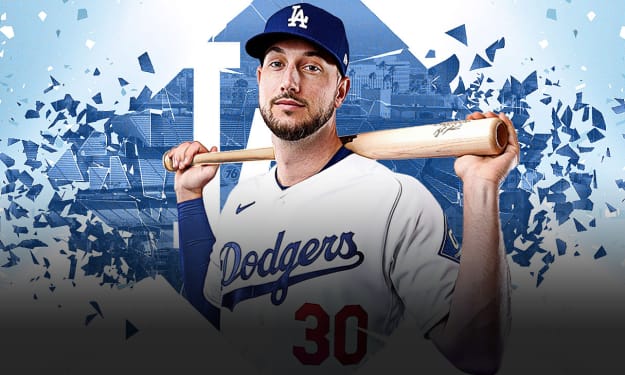
The Los Angeles Dodgers have long been one of the most influential franchises in MLB, known for combining elite player development with the financial flexibility to pursue top-tier talent. From consistent postseason appearances to being counted among recent World Series winners, the Dodgers continue to shape league-wide conversations. As the new season approaches, Dodgers news is once again dominated by roster construction, payroll discussions, and persistent MLB trade rumors—especially those surrounding Kyle Tucker. The Dodgers’ Identity in Modern MLB Few teams balance tradition and innovation quite like the LA Dodgers. Their front office has mastered analytics while still valuing star players who can deliver in October. The current Dodgers roster reflects that philosophy, blending established veterans with emerging talent. Over the years, names like Cody Bellinger have defined eras of success, while new possibilities continue to fuel speculation. The Dodgers’ ability to remain competitive is also tied to their willingness to maintain a high Dodgers payroll. While they are not reckless spenders, they are strategic—targeting players who can elevate both performance and brand value. Kyle Tucker and Why He Fits the Dodgers Narrative Among the most discussed names in recent MLB rumors is Kyle Tucker. A consistent offensive presence and reliable defender, Tucker has emerged as one of the most complete players in modern baseball. Naturally, that has led to growing interest in a potential Kyle Tucker Dodgers scenario. So, what position does Kyle Tucker play? Tucker is primarily a right fielder, though his athleticism allows flexibility across the outfield. That versatility makes him especially attractive to teams like the Dodgers, who value adaptable Dodgers outfielders capable of handling high-pressure situations. The phrase “Tucker baseball” has become shorthand for a balanced skill set: power, patience, and postseason reliability. It’s no surprise that Kyle Tucker news often trends alongside big-market teams. Contracts, Agents, and the Cost of Stardom Any serious discussion of Tucker to Dodgers inevitably leads to contract considerations. The idea of a Kyle Tucker contract Dodgers deal raises questions about years, value, and long-term impact. While no official Kyle Tucker deal has been announced, speculation continues around what such a move would require. The Kyle Tucker agent would likely prioritize both financial security and a winning environment—two things the Dodgers can credibly offer. Still, committing to a potential Kyle Tucker Dodgers contract would require careful planning, especially with other stars already on the books. Misspellings like kyle.tucker, kyle tuxker, or even kyke tucker frequently appear in online searches, underscoring just how much attention surrounds him across the baseball world. How Tucker Could Shape the Dodgers Lineup If a Dodgers Tucker scenario ever materializes, it would have a major impact on the Dodgers lineup. A projected middle-of-the-order bat like Tucker could slot seamlessly into a Dodgers projected lineup, offering protection for existing stars and adding depth in late-game situations. Comparisons have been drawn between Tucker and former Dodgers standouts like Bellinger, particularly in terms of two-way impact. While Cody Bellinger brought elite defense and timely power, Tucker offers a more consistent offensive profile year over year. Competition From the Mets and Other MLB Teams Of course, the Dodgers are not alone in pursuing elite talent. The NY Mets, backed by owner Steve Cohen, have made it clear they are willing to spend aggressively. Mets news often mirrors Dodgers news, especially when it comes to top-tier MLB free agents and trade targets. Names like Edwin Diaz and Bo Bichette frequently appear in league-wide discussions, highlighting how interconnected roster decisions have become. Any move involving Tucker would likely ripple across the league, influencing strategies for teams like the Mets, who remain active in both free agency and trades. MLB Trade Rumors and the Bigger Picture Sites such as MLBTradeRumors regularly analyze scenarios involving Kyle Tucker to Dodgers, though nothing has been confirmed. These rumors reflect a broader truth: elite players drive conversation, even when deals never materialize. The Dodgers understand that not every rumor becomes reality. Still, being linked to players like Tucker reinforces the team’s image as a perennial contender. Whether through trades or internal development, the goal remains the same—build a roster capable of winning another championship. Looking Ahead: What This Means for the Dodgers As the season unfolds, the Dodgers will continue to evaluate opportunities that align with their long-term vision. The idea of Dodgers Kyle Tucker is compelling, but it’s only one chapter in a much larger story about sustained excellence. With a deep farm system, financial flexibility, and a proven track record, the Los Angeles Dodgers remain at the center of MLB news. Whether or not Tucker ever wears Dodger blue, the conversations surrounding him highlight how the franchise continues to influence the direction of the league. In the end, the Dodgers’ success has never hinged on a single move. It’s about smart decisions, calculated risks, and an unwavering commitment to winning—qualities that keep them relevant, respected, and always worth watching.
By Saboor Brohi 4 days ago in Gamers



Comments (2)
Insightful look at Olympic athletes using platforms for social justice activism.
The Olympics is a way to show justice for all.