
HOW THE 2020 TOKYO OLYMPICS SUSTAINABILITY AND ENVIRONMENTAL AWARENESS
Promoting Green Practices:The Tokyo 2020 Olympics Commitment to Sustainability and Environmental Impact.

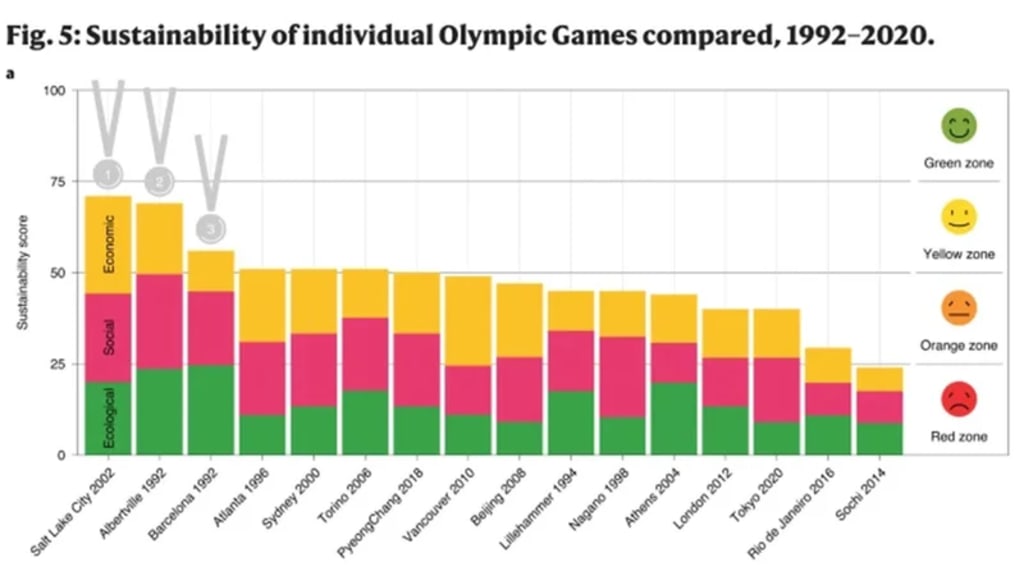
The 2020 Tokyo Olympics, held in 2021 due to the COVID-19 pandemic, was a remarkable event that not only showcased athletic prowess but also emphasized sustainability and environmental awareness. From reducing carbon emissions to using recycled materials, the Games were a step forward in integrating environmental responsibility into global sporting events. Below, we explore the key initiatives and actions taken to promote sustainability at the Tokyo Olympics.
(I)Sustainable Infrastructure and Green Venues
One of the most striking aspects of the Tokyo 2020 Games was the sustainable design and construction of the Olympic venues. Tokyo embraced a "legacy" approach, ensuring that venues would not only serve the Games but also benefit the city in the long term. The Japan National Stadium, for example, was designed to be an eco-friendly masterpiece, incorporating energy-efficient features such as solar panels and advanced cooling systems.
Tokyo also focused on using renewable and recyclable materials in the construction of temporary venues. A notable example is the Athletes' Village, which was built with sustainability in mind. The Village’s structures were designed to be easily dismantled and repurposed, reducing waste and ensuring that materials could be reused for future projects.
(II)Recycled and Sustainable Materials
Tokyo 2020 made a significant effort to incorporate recycled materials into various aspects of the Games. For instance, the medals awarded to athletes were made from recycled electronics. Japan initiated a national effort to collect used electronic devices, such as mobile phones and laptops, to extract precious metals like gold, silver, and bronze. Over 78,000 tons of electronic waste were collected, and approximately 32 kilograms of gold, 3,500 Kilograms of silver, and 2,200 kilograms of bronze were extracted, which were used to create the medals.
In addition to the medals, the podiums for the Olympic ceremonies were also crafted from recycled plastic. These podiums were part of a broader initiative to use sustainable materials for the event, reducing the overall environmental footprint of the Games.
(III)Zero Waste and Recycling Programs
Tokyo 2020 set a goal to be a zero-waste Games, aiming for 99% of all waste to be recycled. To achieve this, extensive waste management and recycling systems were implemented at the venues. Athletes, visitors, and staff were encouraged to separate their waste into categories like plastic, paper, metal, and food scraps. Special bins were placed throughout the venues to ensure that recycling was easy and efficient.
Moreover, food and drink packaging used at the Olympics was made from sustainable materials. Many vendors replaced single-use plastic containers with compostable options, further reducing the environmental impact. The event also utilized plant-based food options to reduce the carbon footprint associated with food production.
(IV)Sustainable Transportation
Transporting athletes, officials, and spectators to and from the event was another area where Tokyo 2020 aimed to make a positive environmental impact. To reduce emissions, the Games featured an extensive fleet of electric vehicles (EVs) for transportation. More than 90% of the vehicles used for the Games were electric, including buses, cars, and trucks. This shift toward EVs not only helped reduce the carbon footprint but also showcased Japan's commitment to promoting sustainable transportation.
In addition to electric Vehicles, the Tokyo 2020 Games also emphasized the use of public transportation. The city expanded and upgraded its already extensive rail and subway networks to handle the influx of people during the Games. Spectators were encouraged to use public transit to reduce congestion and emissions from private Vehicles.
(V)Carbon Neutrality and Offset Programs
The Tokyo 2020 Olympics aimed to achieve carbon neutrality, a major step for large-scale international sporting events. The organizers took measures to reduce carbon emissions from various sources, including energy consumption, transportation, and waste management. For example, the Olympic venues were powered by renewable energy sources like solar, wind, and geothermal power. This helped ensure that the event’s overall carbon emissions were Kept to a minimum.
To offset the remaining emissions, the Tokyo 2020 organizers invested in carbon offset programs. These programs funded global projects such as reforestation and renewable energy initiatives to neutralize the environmental impact of the Games. The goal was to balance out the emissions produced by the Games by supporting initiatives that help reduce or absorb carbon dioxide.
(VI)Public Awareness and Education
Beyond the operational efforts, Tokyo 2020 also used the event as an opportunity to raise awareness about sustainability and environmental issues. The Games featured several public campaigns aimed at educating both participants and spectators on environmental topics such as waste reduction, energy conservation, and sustainable lifestyles.
The organizing committee also partnered with various environmental organizations and NGOs to further these goals. Through these partnerships, Tokyo 2020 highlighted the importance of sustainability in every aspect of life, from the food we eat to the transportation we use.
In The End
The 2020 Tokyo Olympics were a groundbreaking example of how major global events can promote sustainability and environmental awareness. Through sustainable infrastructure, the use of recycled materials, zero waste initiatives, electric transportation, and carbon neutrality efforts, the Games set a new standard for how international events can operate in a more environmentally responsible manner. While there is still work to be done in achieving a completely sustainable global sporting model, Tokyo 2020’s efforts were a significant step forward and a model for future Olympics and other large-scale events. The Tokyo Olympics proved that sustainability and the spirit of international competition can go hand in hand, offering a blueprint for future Games to follow.
About the Creator
Badhan Sen
Myself Badhan, I am a professional writer.I like to share some stories with my friends.
Keep reading
More stories from Badhan Sen and writers in Gamers and other communities.
THE OLYMPICS AND THE RISE OF WOMEN IN LEADERSHIP ROLES
The Olympics, a global event that unites Nations through sport, has not only showcased remarkable athletic performances but has also mirrored broader societal trends, particularly the rise of women in leadership roles. Over the years, the Olympic Games have evolved to reflect the changing dynamics of gender equality, with women increasingly taking on leadership positions both within the sporting world and beyond. This shift has not been instantaneous, but rather the result of decades of advocacy, policy changes, and persistent efforts to create more inclusive opportunities.
By Badhan Senabout a year ago in Gamers
U4gm MLB The Show 26: A Complete Evolution of Baseball Gaming
MLB The Show 26 takes baseball simulation to an entirely new level. This year’s edition isn’t just a simple update — it represents a full evolution of the franchise, combining realism, strategy, and fun in one polished package. From career journeys to competitive online play, every mode has been refined, making the game more immersive and rewarding than ever before.
By Billo Nali6 days ago in Gamers



Comments (2)
Tokyo 2020 set a new standard for sustainability in global events.
These Olympics taught us many lessons for the environment.