
THE FUTURE OF VIRTUAL REALITY AND AUGMENTED REALITY IN THE OLYMPICS
Revolutionizing Sports Engagement Through Immersive Technology in the Olympics.

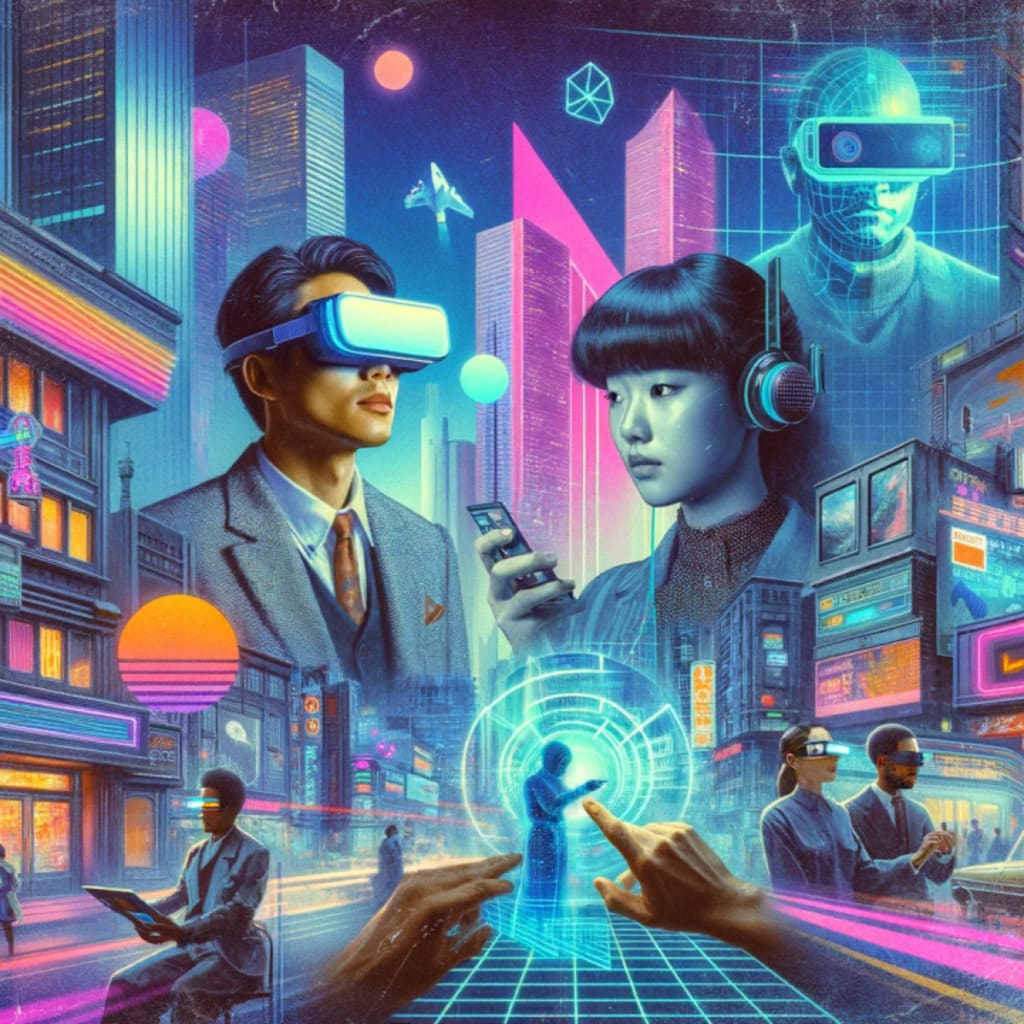
The Olympics, a global celebration of athleticism, unity, and culture, has always been a platform for showcasing not just the pinnacle of sports but also technological advancements. As Virtual Reality (VR) and Augmented Reality (AR) technologies continue to evolve, their potential to revolutionize the Olympic experience—both for athletes and spectators—becomes increasingly apparent. From training enhancements to immersive viewing experiences, VR and AR are set to transform the Olympics in profound ways.
(I)Enhancing Athlete Performance and Training
For athletes, precision, skill, and strategy are critical to achieving success in the Olympics. VR and AR offer tools that can replicate real-world scenarios, allowing athletes to hone their skills in controlled, virtual environments. For example, VR simulations can mimic competitive environments, helping athletes practice under conditions that mirror the pressure of the actual event. AR, on the other hand, can provide real-time data overlays, offering insights into biomechanics, technique, and strategy.
In sports like gymnastics or skiing, VR environments can simulate courses or routines, enabling athletes to visualize and practice without requiring physical setups. Similarly, AR goggles can display metrics like speed, angles, or balance during training sessions, giving instant feedback for performance improvement. These technologies reduce dependency on external resources and enhance focus on critical aspects of performance.
(II)Revolutionizing Spectator Experiences
The Olympics attract billions of viewers worldwide, and VR and AR have the potential to offer unprecedented ways to engage with the games. VR headsets can provide a front-row seat to events, transporting viewers into the stadiums and arenas from the comfort of their homes. Fans can experience a 360-degree view of the action, feeling as though they are part of the crowd or even on the field.
AR applications, accessible through smartphones or AR glasses, can enhance live and at-home viewing by overlaying statistics, player profiles, and interactive elements onto the live feed. Imagine watching a javelin throw and having the trajectory, speed, and distance visualized in real-time through an AR app. This not only makes the experience more engaging but also educates viewers about the nuances of the sport.
(III)Expanding Accessibility and Inclusion
One of the most promising aspects of VR and AR in the Olympics is their ability to make the games more accessible. For individuals with disabilities or those unable to travel to Olympic venues, VR can recreate the experience of being there, ensuring that the spirit of the Olympics reaches a wider audience. Additionally, AR could provide features like real-time translations or audio descriptions, breaking down language and sensory barriers.
For Paralympic events, these technologies can offer unique perspectives that highlight the remarkable abilities of differently-abled athletes. Viewers could, for instance, experience what it’s like to navigate a blind race through VR or understand the physical challenges of adaptive sports through AR.
(IV)Enhancing Training Infrastructure and Event Preparation
Organizing an Olympic event is a monumental task, and VR and AR can streamline many aspects of planning and execution. Virtual reality can simulate venues, allowing organizers to test layouts, crowd flow, and emergency response strategies before physical construction. AR can assist with real-time guidance during the setup of venues, ensuring precision and reducing errors.
Athletes, too, can benefit from virtual walkthroughs of competition venues, giving them a sense of the space and environment they’ll be performing in. This is especially beneficial for sports like swimming or track and field, where familiarity with the venue can provide a competitive edge.
(V)Marketing and Sponsorship Opportunities
The commercial aspect of the Olympics also stands to benefit significantly from VR and AR integration. Brands and sponsors can create immersive VR experiences or AR campaigns that allow fans to interact with their products in unique ways. For instance, a sportswear brand might offer a VR tour of its manufacturing process or an AR app that lets fans virtually "try on" Olympic merchandise.
Additionally, AR could turn ordinary promotional materials like posters or tickets into interactive experiences, revealing hidden content, exclusive interviews, or behind-the-scenes footage when scanned with a smartphone.
(VI)Challenges and Considerations
While the potential of VR and AR in the Olympics is immense, several challenges must be addressed. High-quality VR and AR experiences require robust infrastructure, including 5G networks, powerful computing devices, and affordable hardware. Ensuring that these technologies are accessible to a global audience, including those in less technologically advanced regions, is critical to maintaining the inclusivity of the Olympics.
Moreover, data privacy and security must be prioritized, as VR and AR experiences often involve collecting user data. Organizers will need to establish stringent guidelines to protect this information and prevent misuse.
In The End
As the Olympics continue to evolve, VR and AR are poised to play a transformative role in shaping its future. From enhancing athlete training to redefining how fans experience the games, these technologies promise to make the Olympics more engaging, inclusive, and innovative. While challenges exist, the benefits far outweigh the obstacles, ensuring that VR and AR will become integral to the Olympic experience. As we look ahead, the fusion of sports and technology will not only push the boundaries of human performance but also bring the magic of the Olympics closer to every corner of the globe.
About the Creator
Badhan Sen
Myself Badhan, I am a professional writer.I like to share some stories with my friends.
Keep reading
More stories from Badhan Sen and writers in Gamers and other communities.
THE ROLE OF SOCIAL MEDIA IN THE 2020 TOKYO OLYMPICS
The 2020 Tokyo Olympics, held in 2021 due to the COVID-19 pandemic, was a landmark event in sports history. Amid strict restrictions and the absence of in-person audiences, social media became a crucial tool for athletes, fans, and organizations, reshaping how the world engaged with the Games. The integration of social media with the Olympics highlighted its role as a platform for connection, promotion, and expression, demonstrating its power to transcend physical barriers and create a virtual Olympic community.
By Badhan Senabout a year ago in Gamers
U4gm Luck Hits Los Santos: St. Patrick’s Day Update in GTA Online
Los Santos is getting a festive makeover! Rockstar Games has launched the St. Patrick’s Day seasonal update for GTA Online, running from March 12 to March 19, 2026. This limited-time event brings a mix of cash rewards, exclusive items, community challenges, and bonus multipliers, making this week one of the most exciting times to log in and play.
By Billo Naliabout 16 hours ago in Gamers
Casino Game Trends and Player Favorites in 2026
The casino gaming landscape has continued to evolve in recent years, influenced by technology, player preferences, and shifting entertainment habits. In 2026, casino-style games remain a popular form of entertainment across both digital platforms and traditional venues. Rather than focusing solely on wagering, many discussions about these games now center on gameplay experience, design innovation, and the social elements that attract players worldwide.
By Shabbir Ahmad2 days ago in Gamers



Comments (1)
Actually, VR sounds like fun to be able 'to do' gymnastics, swimming, diving and maybe a few more events that I like. Good work.