
THE FUTURE OF eSPORTS AND THE OLYMPIC GAMES
Exploring the Intersection of Competitive Gaming and Global Sporting Excellence.

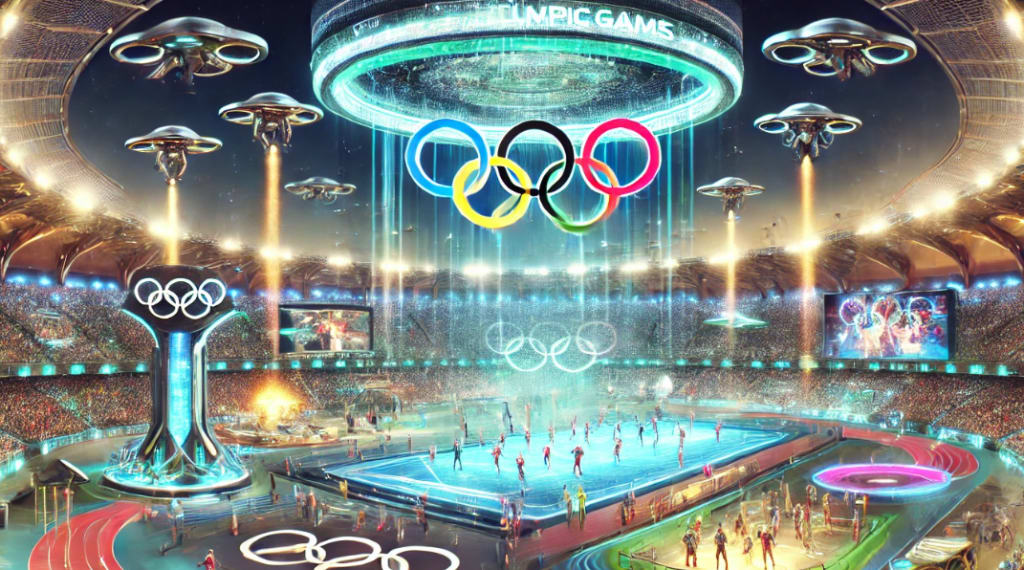
In recent years, the rise of eSports has become one of the most transformative trends in the global entertainment and sports industries. Competitive video gaming, with its rapidly growing fanbase, professional leagues, and lucrative sponsorship deals, has garnered a significant cultural presence. The Olympic Games, known for their global unity and celebration of traditional sports, are now facing the question: Can eSports be integrated into the world's most prestigious multi-sport event?
The Growth of eSports
eSports, or electronic sports, refers to organized, multiplayer video game competitions, particularly between professional players, individually or in teams. Since its humble beginnings in the late 20th century, eSports has rapidly expanded into a global industry worth billions of dollars. The growth has been propelled by advancements in internet technology, the accessibility of games, and the rise of streaming platforms like Twitch and YouTube Gaming, where millions of viewers watch top players compete in real-time.
The eSports industry encompasses several game genres, including first-person shooters (FPS) like Counter-Strike and Call of Duty, real-time strategy (RTS) games like StarCraft, and multiplayer online battle arena (MOBA) games like League of Legends and Dota 2. These games have become cultural phenomena, with professional players earning large salaries, sponsorships, and endorsements, rivaling those of traditional athletes in some cases.
The audience for eSports is diverse, ranging from teenagers to adults, with a significant portion of the audience being millennials and Generation Z. International tournaments such as The International (Dota 2) and League of Legends World Championship attract millions of live viewers and generate substantial prize pools, often reaching over $30 million for a single tournament.
The Olympic Games and eSports: A Natural Intersection
The Olympic Games are the pinnacle of traditional sports, where the world’s most elite athletes compete in events that range from track and field to swimming and gymnastics. However, in recent years, the International Olympic Committee (IOC) has been exploring ways to modernize the Games and appeal to younger, tech-savvy audiences. This shift has led to discussions about incorporating eSports into the Olympics.
The IOC's interest in eSports isn't a recent development. In fact, the Olympic Games have already seen instances of gaming-related events. In 2018, the Asian Games included eSports as a demonstration sport, and it was initially considered for inclusion in the 2022 Beijing Winter Olympics. However, concerns surrounding the nature of competitive gaming and its alignment with the values of the Olympic movement have made the path to full Olympic inclusion more complex.
Challenges in Integrating eSports into the Olympics
While the potential for collaboration between eSports and the Olympics exists, several significant hurdles remain in place.
The Nature of eSports: One of the primary concerns with integrating eSports into the Olympics is the diversity of video games themselves. Traditional sports in the Olympics follow a uniform set of rules, allowing athletes to compete in a standardized manner. However, eSports involves a wide array of different games, each with unique mechanics, communities, and rules. The IOC would need to determine which games would be eligible for the Olympics, and that decision could alienate large parts of the eSports community.
Violence and Content: Many of the most popular eSports titles, such as Call of Duty and Counter-Strike, are built around themes of combat and violence. The Olympic Games, traditionally focused on promoting physical fitness and peace, could face difficulty reconciling the violent content of certain games with their core values. The IOC may face public backlash if it chooses to include games that feature violence, particularly given the Olympic Games’ emphasis on sportsmanship and unity.
The Age Factor: eSports players tend to be younger than traditional Olympians, with the average age of top eSports athletes in their 20s. In contrast, many Olympic athletes often peak in their late 20s or 30s, raising concerns about the generational divide between eSports professionals and traditional Olympians.
Commercialization and Regulation: The commercial side of eSports, including sponsorships and prize money, has made the industry extremely lucrative. However, the IOC has historically sought to keep the Olympic Games free from over-commercialization and external influence. Balancing the revenue-driven nature of eSports with the traditional Olympic spirit of fair competition and non-profit ideals presents a significant challenge.
The Future of eSports in the Olympic Games
Despite the challenges, the future of eSports in the Olympic Games is not without potential. The growing popularity of gaming among young people, combined with the IOC's need to stay relevant to a changing global audience, suggests that eSports could eventually be included in the Games. Some ideas for bridging the gap include:
Showcase Events: Instead of full Olympic inclusion, eSports could begin as a demonstration sport or as part of an Olympic virtual sports initiative, where the Games host select eSports tournaments or virtual simulations of traditional sports.
Aligning eSports with Olympic Values: Games that promote physical activity or strategic thinking, such as FIFA or Rocket League, could be considered as a means to align eSports with Olympic values.
Youth and Digital Innovation: As the IOC strives to appeal to younger generations, eSports could serve as a gateway to attracting digital-native audiences. Incorporating gaming into the Olympics could also inspire further innovation in virtual and augmented reality sports, providing the opportunity for a broader range of digital sports to be showcased.
End
The future of eSports in the Olympic Games represents a crossroads between traditional sports and the digital age. As eSports continues to grow in popularity, the potential for it to join the Olympic movement is real, though it will take careful consideration and collaboration between gaming organizations and the IOC. The inclusion of eSports in the Olympics would not only highlight the changing landscape of sports but also serve as a bridge between the physical and digital worlds, appealing to future generations of athletes and fans. While there are significant hurdles to overcome, the growing convergence of digital entertainment and traditional sport points to a promising future where eSports could very well have a place in the Olympic Games.
About the Creator
Badhan Sen
Myself Badhan, I am a professional writer.I like to share some stories with my friends.
Keep reading
More stories from Badhan Sen and writers in Gamers and other communities.
THE IMPORTANCE OF ATHLETE'S MENTAL TOUGHNESS IN THE OLYMPICS
The Olympic Games are the pinnacle of athletic achievement, where the world’s best athletes gather to compete for glory, national pride, and personal success. Beyond physical preparation, one of the most crucial factors contributing to an athlete's success at the Olympic level is mental toughness. Mental toughness refers to the ability to stay focused, motivated, and resilient in the face of adversity, stress, and pressure. In a setting as intense and high-stakes as the Olympics, mental toughness can often make the difference between winning a gold medal or falling short. This essay explores the importance of mental toughness in Olympic athletes and its role in their performance.
By Badhan Senabout a year ago in Gamers
A Dart at Dusk
Seconds ago, the sullen sun set on the two of us… my exuberant furry companion and me. A fresh breeze embraces us, delivering welcome relief from the day’s oppressive heat. His typical stumbling and staggering along — apace with a sloth — has turned into trip-trapping, high-stepping, almost skipping along.
By Angie the Archivist 📚🪶5 days ago in Petlife


Comments (1)
Good article but would this really be a good thing for the human in various ways. eSports would be like VR wouldn't they.