
The Future of Cryptocurrency: Trends, Challenges, and Opportunities
Crypto currency
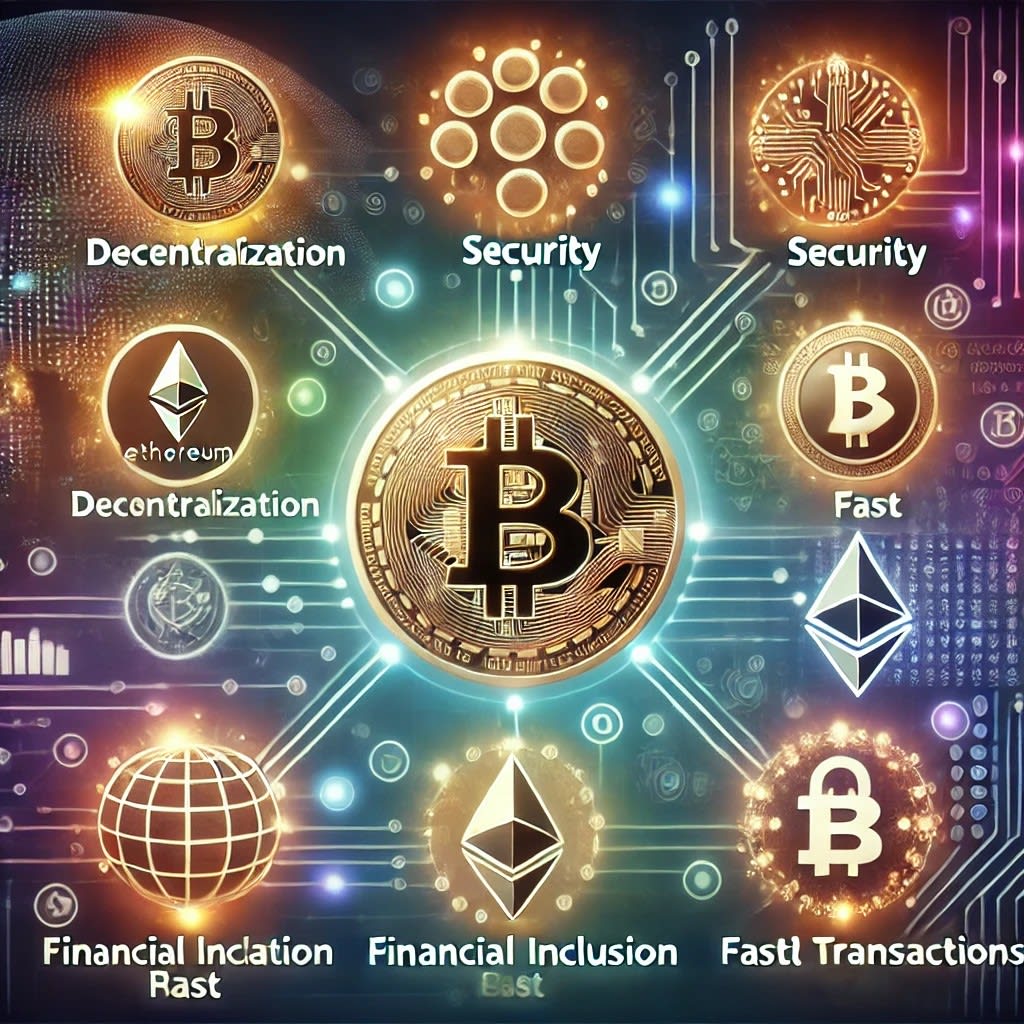
Cryptocurrency has transitioned from being a niche digital asset to a transformative force in global finance. With a market capitalization surpassing $1 trillion, cryptocurrencies like Bitcoin, Ethereum, and emerging altcoins are reshaping how we perceive and interact with money. However, this evolution comes with its own set of challenges and opportunities. This article delves into the current trends shaping the cryptocurrency landscape, the hurdles facing the industry, and the potential opportunities for the future.
Current Trends in Cryptocurrency
1. Decentralized Finance (DeFi):
DeFi has emerged as one of the most revolutionary trends in the cryptocurrency ecosystem. By leveraging blockchain technology, DeFi platforms offer decentralized financial services such as lending, borrowing, and trading without intermediaries. Protocols like Aave, Uniswap, and MakerDAO have gained massive traction, democratizing access to financial services. The total value locked (TVL) in DeFi has surpassed $50 billion, signaling widespread adoption.
2. Non-Fungible Tokens (NFTs):
NFTs have taken the art, gaming, and entertainment industries by storm. These unique digital assets, secured on the blockchain, represent ownership of digital or physical items. High-profile NFT sales, like Beeple's artwork auctioned for $69 million, have highlighted their potential as a new medium of creative expression and investment.
3. Central Bank Digital Currencies (CBDCs):
Governments worldwide are exploring CBDCs to maintain control over their monetary systems while embracing the advantages of blockchain technology. China has taken the lead with its digital yuan, and other countries like the U.S. and European nations are following suit. CBDCs could coexist with decentralized cryptocurrencies, offering a blend of state-backed security and digital efficiency.
4. Green Blockchain Initiatives:
The energy consumption of blockchain networks, particularly proof-of-work systems like Bitcoin, has sparked environmental concerns. In response, projects like Ethereum's transition to proof-of-stake (PoS) and initiatives promoting carbon-neutral blockchains are gaining momentum, aligning the crypto sector with sustainability goals.
---
Challenges Facing the Cryptocurrency Ecosystem
1. Regulatory Uncertainty:
One of the biggest challenges for the cryptocurrency industry is navigating the evolving regulatory landscape. Governments are grappling with how to classify and regulate digital assets. While some countries embrace innovation, others impose strict restrictions or outright bans, creating uncertainty for investors and developers.
2. Security Concerns:
The decentralized nature of blockchain does not make it immune to cyber threats. Hacks, scams, and vulnerabilities in smart contracts have led to significant losses. For instance, the DeFi platform Poly Network suffered a $600 million hack in 2021, exposing the need for stronger security protocols.
3. Scalability Issues:
As blockchain networks grow, scalability remains a significant concern. High transaction fees and slower processing times on networks like Ethereum during peak usage periods highlight the need for solutions like Layer 2 scaling and alternative blockchains such as Solana and Avalanche.
4. Market Volatility:
Cryptocurrencies are notoriously volatile, with prices influenced by market sentiment, macroeconomic factors, and regulatory news. This volatility can deter mainstream adoption and institutional investment, limiting the potential for cryptocurrencies to become stable financial instruments.
---
Opportunities in the Cryptocurrency Space
1. Institutional Adoption:
Major institutions are beginning to embrace cryptocurrencies as part of their investment portfolios. Companies like Tesla and Square have invested in Bitcoin, while asset managers like BlackRock and Fidelity are offering crypto-related investment products. This institutional involvement brings legitimacy and capital into the market.
2. Financial Inclusion:
Cryptocurrencies can provide financial services to the unbanked population, estimated at over 1.4 billion people globally. With just a smartphone and internet access, individuals can participate in the global economy, access credit, and save in digital assets, bypassing traditional banking systems.
3. Blockchain Interoperability:
The future of cryptocurrencies depends on seamless interaction between different blockchains. Projects like Polkadot and Cosmos are working to create interoperable ecosystems, allowing for the transfer of assets and data across multiple networks, fostering innovation and collaboration.
4. Tokenization of Assets:
Tokenizing real-world assets like real estate, art, and commodities can unlock liquidity and democratize ownership. This trend could transform industries by making traditionally illiquid assets accessible to a broader range of investors.
5. Decentralized Autonomous Organizations (DAOs):
DAOs are gaining popularity as a way to organize communities and projects without hierarchical structures. By using smart contracts, DAOs enable collective decision-making and resource allocation, empowering participants and fostering transparency.
---
Looking Ahead
The cryptocurrency industry is at a crossroads. The intersection of innovation and regulation will determine its trajectory in the coming years. Collaboration between industry stakeholders and regulators is essential to create a balanced framework that fosters innovation while protecting consumers and financial systems.
Emerging technologies like quantum computing and artificial intelligence could also play a significant role in shaping the future of cryptocurrencies. Quantum-resistant cryptographic protocols are being developed to address potential security threats, ensuring the longevity of blockchain networks.
As the industry matures, education and awareness will be critical. Bridging the knowledge gap for consumers, businesses, and policymakers can drive adoption and build trust in this transformative technology.
---
Conclusion
Cryptocurrencies have come a long way since the inception of Bitcoin in 2009. From enabling decentralized finance to revolutionizing digital ownership through NFTs, the potential applications of blockchain technology are vast and varied. While challenges such as regulatory uncertainty, security concerns, and scalability persist, the opportunities for innovation, financial inclusion, and global collaboration are immense.
As we move forward, the success of cryptocurrencies will depend on their ability to adapt to changing circumstances, address challenges, and seize opportunities. By fostering a balanced and inclusive ecosystem, cryptocurrencies can become a cornerstone of the future digital economy.
About the Creator
Keep reading
More stories from writers in Gamers and other communities.
Stardew Valley Moss Guide: Why This 1.6 Resource is More Valuable Than You Think
For years, the appearance of green fuzz on the oak and maple trees of Pelican Town was nothing more than a visual indicator of rain or a sign that you had neglected your farm’s landscaping. When the 1.6 update arrived, everything changed.
By Richard Bailey2 days ago in Gamers
R6 Predictions for 2026: The Next Chapter of Rainbow Six Siege
In 2026, Rainbow Six Siege won’t feel like a brand-new game and that may be its greatest strength. Instead of chasing trends, Siege is likely to double down on what it already does best: tactical depth, operator-driven gameplay, and a competitive ecosystem that rewards patience and planning. Looking back from this point in time, 2026 could be remembered as the year Siege finally perfected its long-term evolution.
By Deborah Larsona day ago in Gamers


Comments
There are no comments for this story
Be the first to respond and start the conversation.