
THE FLIGHT FOR RACIAL EQUALITY AT THE 1960 ROME OLYMPICS
Breaking Barriers:The Struggle for Racial Equality at the 1960 Rome Olympics.

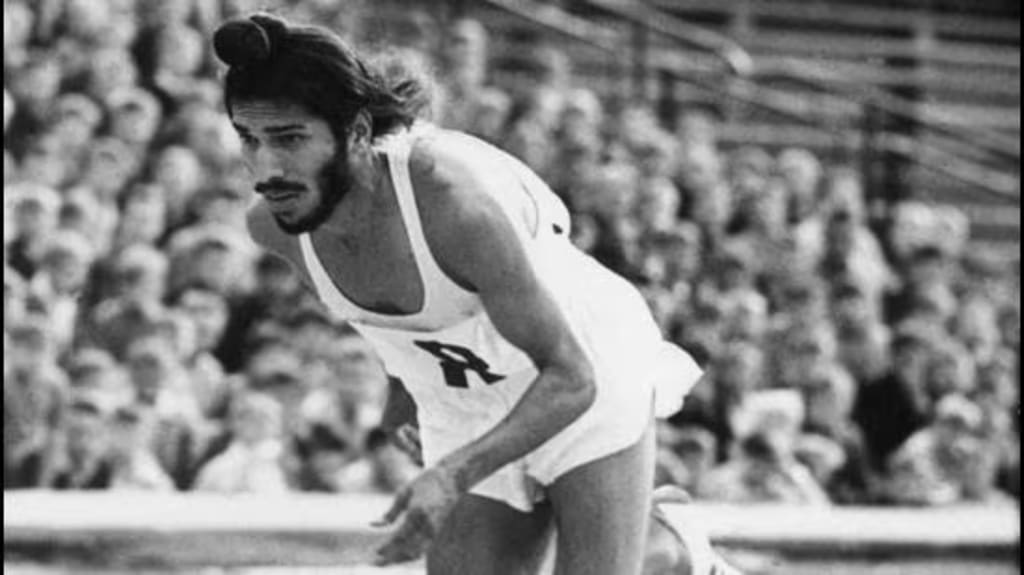
The 1960 Rome Olympics marked a significant moment in the global struggle for racial equality. Held in Italy, a country with a rich history of political and social change, the games became a platform for African-American athletes who used their athletic prowess to challenge racial injustice. While the Olympics are often viewed through the lens of athletic achievement, the 1960 Games were notably shaped by the growing civil rights movement in the United States, setting the stage for future protests and raising global awareness of racial discrimination.
(I)The Context of Racial Inequality
The 1960 Rome Olympics occurred during a period of intense racial inequality, particularly in the United States. African-Americans faced widespread discrimination in the areas of education, employment, housing, and public accommodations. The Civil Rights Movement was gaining momentum, with key events such as the 1955 Montgomery Bus Boycott and the 1960 sit-ins protesting segregated lunch counters. However, these struggles were often met with violence and resistance, and African-American athletes were no exception to the racism that pervaded American society.
In this context, the Olympics provided a rare opportunity for African-American athletes to demonstrate their excellence on a global stage. Although racial discrimination was prevalent within the U.S. Olympic Committee, many African-American athletes were able to rise above the barriers, earning spots on the team and preparing to compete on the world stage.
(II)Key Figures and Performances
Several African-American athletes at the 1960 Rome Olympics made history not only for their athletic abilities but also for the broader implications their victories had on the racial landscape. Among the most notable figures was Wilma Rudolph, who captured the world’s attention by winning three gold medals in track and field. Rudolph, who had overcome polio in her youth, became the first American woman to win three gold medals in a single Olympic Games. Her triumphs were not only a testament to her talent but also to the determination of African-American women in an era when their roles were limited both by race and gender. Rudolph’s success transcended athletics, making her a symbol of racial and gender equality.
Another key figure was the heavyweight boxing champion Cassius Clay (later known as Muhammad Ali). Clay won the gold medal in boxing at the 1960 Olympics, a victory that would later be overshadowed by his outspoken activism. While his Olympic gold was a remarkable achievement, it would not be long before Clay became a vocal critic of racism, particularly through his refusal to serve in the Vietnam War, using his platform to advocate for racial justice.
However, the most iconic moment related to racial equality in the 1960 Rome Olympics came from the U.S. men's 4x400-meter relay team, which set a world record and took home gold. While the team’s performance was impressive, what made it historically significant was the fact that the team was composed entirely of African-American athletes. These athletes, including the legendary Otis Davis, became symbols of black achievement in a society that often relegated them to second-class status.
(III)The Role of African-American Athletes in Social Change
While the 1960 Olympics did not feature the kind of direct political protests that would occur at the 1968 Mexico City Olympics, the competition still contributed to the racial discourse. Many of the athletes who excelled at the 1960 Games would go on to become involved in the fight for civil rights. Wilma Rudolph, for instance, used her platform to speak out about racial inequality, becoming a vocal advocate for equal rights in education and sports.
The success of African-American athletes in the 1960 Olympics helped change the perceptions of black Americans both at home and abroad. On an international stage, their victories defied stereotypes about racial inferiority and demonstrated that African-Americans were capable of excelling in arenas traditionally dominated by white athletes. This challenge to the racial status quo in sports served as an inspiration for the growing civil rights movement in the United States, providing hope to activists who were fighting against systemic racial oppression.
(IV)Impact and Legacy
While the 1960 Rome Olympics did not witness the overt protests that would come to define the 1968 Games, the impact of the African-American athletes’ successes was undeniable. Their victories were part of the broader fight for racial equality, signaling the beginning of a new era in which athletes increasingly used their platforms to challenge racial injustice. This trend would culminate in the iconic Black Power salute by Tommie Smith and John Carlos at the 1968 Olympics in Mexico City, a protest that brought the issue of racial discrimination to the forefront of the global stage.
The 1960 Rome Olympics also contributed to a growing sense of pride within the African-American community. As athletes like Wilma Rudolph and Cassius Clay achieved success, they became symbols of black excellence, showing that racial inequality could be challenged and overcome, even in the face of immense societal pressure.
In conclusion, the 1960 Rome Olympics were more than just a sporting event; they were a critical moment in the ongoing fight for racial equality. The achievements of African-American athletes during these Games had far-reaching implications, not only challenging racial stereotypes in the realm of sports but also helping to advance the broader civil rights movement. Their successes paved the way for future activism in sports, leaving a lasting legacy in the ongoing struggle for racial justice.
About the Creator
Badhan Sen
Myself Badhan, I am a professional writer.I like to share some stories with my friends.
Keep reading
More stories from Badhan Sen and writers in Gamers and other communities.
THE CONTROVERSY OVER THE 2020 TOKYO OLYMPIC AMIDST THE PANDEMIC
The 2020 Summer Olympics, which were scheduled to take place in Tokyo from July 24 to August 9, 2020, became a symbol of resilience but also one of the most controversial events in recent sports history. Originally planned as a grand celebration of global unity and athleticism, the Tokyo Games were overshadowed by the unprecedented global health crisis of the COVID-19 pandemic. The controversy surrounding the event stemmed from the decision to delay the Games, the challenges of hosting a major sporting event during a pandemic, and the mixed reactions from athletes, officials, and the public.
By Badhan Senabout a year ago in Gamers



Comments (1)
Good job. All the athlete's male and female should be equal they are there to compete and learn from each other. Race should not be a question or whatever.