
THE FIGHT FOR RACIAL EQUALITY IN THE OLYMPIC SELECTION PROCESS
Challenging Discrimination and Advocating for Fair Representation in Olympic Athlete Selection.

The Olympic Games, a global spectacle that celebrates the pinnacle of athletic achievement, have often been seen as a symbol of unity, where nations come together to compete on the world stage. However, the selection process for athletes representing their countries has not always been free from racial biases and inequalities. Historically, racial discrimination has affected the opportunities and chances of many athletes, especially those from marginalized communities. The fight for racial equality in the Olympic selection process is a multifaceted battle that spans decades, shaped by social, political, and cultural changes worldwide. This struggle is not just about fairness in sport but also about challenging the broader societal systems that perpetuate racial inequalities.
(I)Early Racial Discrimination in the Olympics
From its inception in 1896, the modern Olympic Games were overwhelmingly dominated by white athletes, especially from European and Western countries. The participation of Black athletes was limited, and when they did compete, they faced significant obstacles. For instance, African American athletes in the United States had to fight against segregationist policies and were often excluded from mainstream sporting opportunities. The 1936 Berlin Olympics are a glaring example of racial tension, as African American athletes like Jesse Owens faced discrimination at home while competing in Nazi Germany, which was propagating a racially exclusive ideology of Aryan superiority.
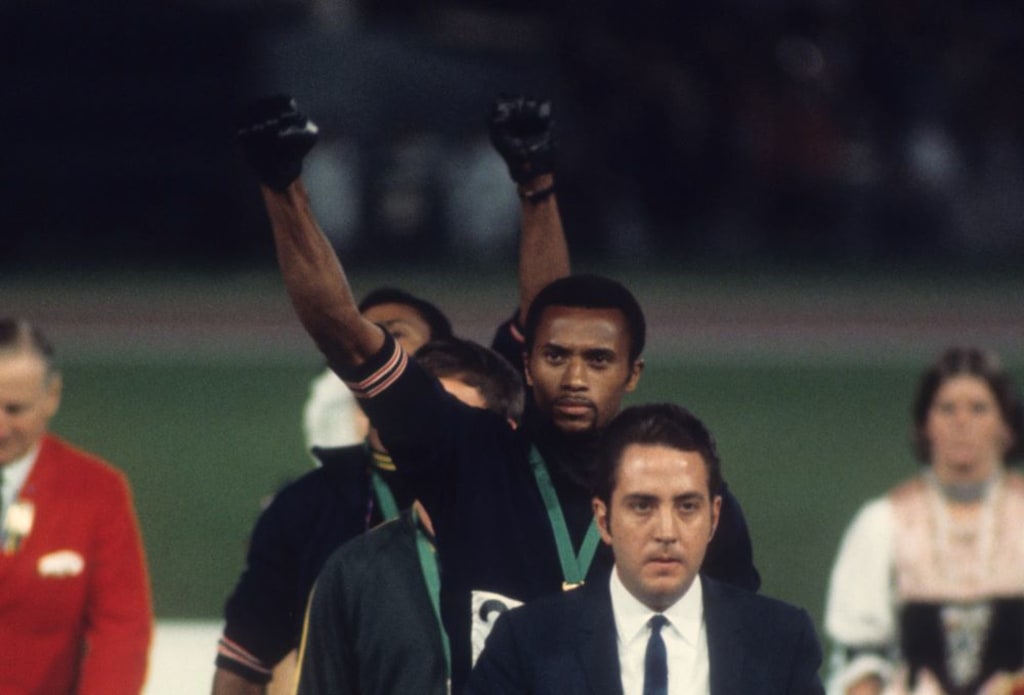
In the U.S., the fight for racial equality in sports gained traction with the civil rights movement in the 1960s. Black athletes like Jackie Robinson, who broke the color barrier in Major League Baseball, and later, Muhammad Ali and Tommie Smith, raised awareness of the systemic discrimination in sports. The iconic image of Smith and John Carlos raising their fists in the Black Power salute during the 1968 Mexico City Olympics became a symbol of defiance against racial oppression. Their protest was not just against the Olympic selection process but also against broader societal injustices.
(II)The 1968 Black Power Salute
The 1968 Olympic Games in Mexico City are a pivotal moment in the history of racial equality in Olympic sports. Tommie Smith and John Carlos, who finished first and third in the 200-meter race, used their platform to bring global attention to the issues of racial inequality in the United States. When the athletes raised their fists during the medal ceremony, it was a bold statement against racial discrimination, not only within the United States but also against the broader social structures that shaped Olympic participation. This act of protest faced significant backlash, with both athletes being sent home from the Games and facing professional and personal repercussions.
The 1968 protests marked the beginning of a shift in the way racial inequality was addressed within the Olympic movement. While the protest itself was highly controversial, it brought to the forefront the need to examine the racial dynamics within Olympic selection processes. These athletes used the Olympic stage to challenge the notion that sport was an apolitical space, emphasizing how racial discrimination permeated every aspect of society, including sports.
(III)Racial Inequality and the Olympic Selection Process
The Olympics may be seen as an equalizing force on the international stage, but the selection process for athletes is often far from equitable. National Olympic Committees (NOCs) and selection committees play a key role in determining which athletes represent their countries, and these decisions are frequently influenced by race. One of the main issues lies in the disparities in access to resources, facilities, and coaching, which disproportionately affect athletes of color, particularly those from lower-income backgrounds.
For example, Black and Indigenous athletes in countries like the United States, Canada, and Australia often face challenges when it comes to securing sponsorships, training opportunities, and support from governing bodies. These barriers create a cycle where talented athletes from marginalized communities may not have the same access to opportunities that their white counterparts enjoy. The lack of resources not only affects the development of these athletes but also impacts their visibility during the selection process. This leads to the exclusion of many qualified athletes, perpetuating the racial inequities that persist in the Olympics.
Another significant issue is the racial stereotyping that affects selection decisions. For instance, Black athletes have often been pigeonholed into specific sports, such as track and field, basketball, or boxing, based on historical and cultural perceptions. This stereotyping limits the opportunities for Black athletes to compete in a broader range of Olympic events, and the selection process may overlook their potential in other disciplines. At the same time, athletes from minority racial backgrounds have to work twice as hard to gain the recognition that is often handed to their white counterparts.
(IV)Recent Efforts and the Path Forward
Organizations like the United States Olympic and Paralympic Committee (USOPC) have implemented diversity and inclusion programs, aimed at providing equal opportunities for athletes of all racial and ethnic backgrounds. Additionally, the rise of social media has allowed athletes to use their platforms to raise awareness of racial disparities in sport. High-profile athletes like Serena Williams, Colin Kaepernick, and Simone Biles have taken stands against racial injustice, both within the realm of sport and beyond, urging the Olympic movement to reckon with its history of racial inequality.
The International Olympic Committee (IOC) has also made strides toward increasing diversity and inclusion in the Games. The appointment of athletes from diverse racial backgrounds to leadership positions within the IOC and the increased representation of countries from Africa, Asia, and Latin America have helped to promote a more inclusive environment. However, much work remains to be done. The fight for racial equality in the Olympic selection process is ongoing, as athletes, activists, and organizations continue to demand that sport be truly accessible to all, regardless of race.
In The End
The fight for racial equality in the Olympic selection process is a complex and ongoing struggle, rooted in the broader fight for social justice and equity. While significant progress has been made since the days of segregation and overt discrimination, racial inequality continues to affect the opportunities and representation of athletes in the Olympic Games. By addressing systemic barriers to access, challenging racial stereotypes, and ensuring that the selection process is fair and inclusive, the Olympic movement can continue to evolve into a more equitable space for athletes of all racial backgrounds. The legacy of past protests, such as the Black Power salute, continues to inspire those who fight for a future where athletic excellence is determined solely by ability, not by race.
About the Creator
Badhan Sen
Myself Badhan, I am a professional writer.I like to share some stories with my friends.
Keep reading
More stories from Badhan Sen and writers in Gamers and other communities.
THE INFLUENCE OF THE OLYMPICS ON CHANGING ATTITUDES TOWARD DISABILITIES
The Olympics, one of the most significant global sporting events, has had a profound influence on shaping public attitudes towards various social issues, including disabilities. Through its emphasis on athletic excellence, the Olympics have contributed to changing perceptions about the capabilities of individuals with disabilities and promoted greater inclusion and understanding. In particular, the integration of the Paralympic Games alongside the Olympics has played a crucial role in shifting societal views about disability. The influence of the Olympics on changing attitudes toward disabilities can be explored through historical developments, media representation, public awareness, and the evolution of adaptive sports.
By Badhan Senabout a year ago in Gamers
Knights of the Old Republic II
A long time ago, on a writing platform far, far away, I wrote a review for Knights of the Old Republic. It was part of my Star Wars content for May 2024. My final verdict on that one was that it was great fun. It wasn't perfect, but I had a great time playing it. Now, it's time to look at the sequel - yes, there's a sequel.
By Greg Seebregts2 days ago in Gamers
Author’s Advice
If you would’ve asked me 20 years ago did I know I’d become a writer and an author, I would’ve said “nope, ain’t happening”. As fate would have it I did become an author and I can honestly say I’m loving it so far. It really does feel good to be a writer. I’ve learned a lot on this journey and I feel like with even me being as new to this world as I am, there’s some wisdom I need to share with every other aspiring author.
By Joe Patterson2 days ago in Journal



Comments
There are no comments for this story
Be the first to respond and start the conversation.