
THE EVOLUTION OF OLYMPIC CEREMONIES OVER TIME
The Evolution of Olympic Ceremonies Over Time:A Celebration of Culture,Unity,and Tradition.

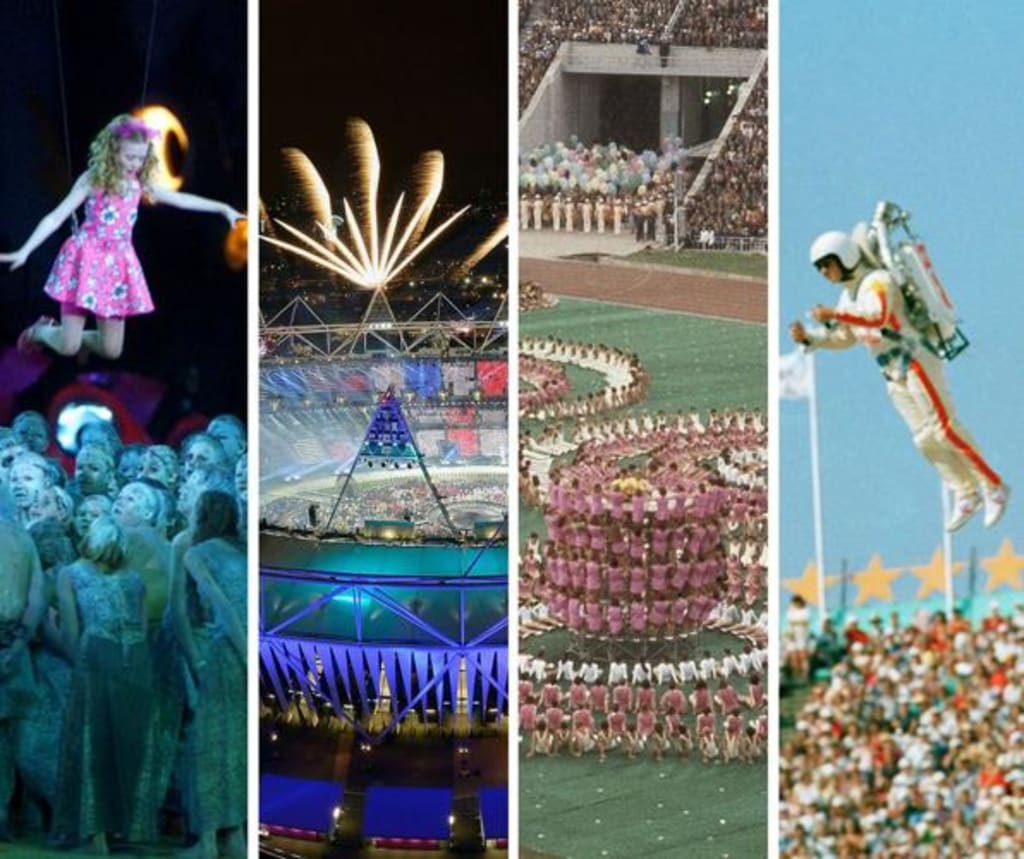
The Olympic Games, one of the largest and most prestigious international sporting events, have evolved significantly over time, particularly when it comes to the grand ceremonies that accompany the event. From humble beginnings in ancient Greece to the modern spectacle of today, Olympic ceremonies have undergone numerous transformations, showcasing the world’s cultural diversity and technological advancements.
(I)The Origins of the Olympic Ceremony
The origins of the Olympic Games can be traced back to ancient Greece. The first ancient Olympic Games were held in 776 BCE in Olympia, and these early games were part of a religious festival in honor of Zeus, the king of the Greek gods. The ceremonies at these early Olympics were largely religious and ritualistic, focused on worship and sacrifice. The athletes competed in the nude, and the event was marked by offerings to the gods, but the spectacle was far less grand compared to the modern-day ceremonies. The ancient games continued for centuries, with the final ancient Olympic Games being held in 393 CE, after which the event was abolished by the Roman Emperor Theodosius I.
(II)The Revival of the Modern Olympic Games
The modern Olympic Games, as we know them today, were revived in 1896 by Baron Pierre de Coubertin in Athens. The opening ceremony of the 1896 Games was far more modest compared to what we would expect in contemporary times. There was no grand parade or fireworks display; instead, the ceremony was centered around the flag-raising and a speech delivered by de Coubertin. The athletes, representing 13 nations, marched together in a unified procession, and the Games themselves focused primarily on the competitions.
However, the idea of a formal opening ceremony was gradually developed in the early 20th century, beginning with the 1900 Paris Olympics. The 1900 Games were unusual in that they were part of the Exposition Universelle, a World’s Fair in Paris, and as a result, there was no distinct opening ceremony. However, in 1908, when the Games were held in London, the opening ceremony began to take shape in a more recognizable form.
(III)The Rise of the Modern Olympic Ceremonies
The 1924 Paris Olympics marked the beginning of the more recognizable opening and closing ceremonies that we associate with the modern Games. This was the first time that the Olympic flag was introduced, and the first time that athletes from various nations paraded together in the opening ceremony, carrying their country’s flag. The idea of an official Olympic torch relay was first introduced at the 1936 Berlin Olympics, and the lighting of the Olympic flame became a central element of the Games, symbolizing the continuity of the Olympic spirit.
As the Olympics grew in size and international importance, so too did the ceremonies. The 1960 Rome Olympics were significant in that they introduced the first televised Olympic ceremonies, bringing the spectacle of the Games to audiences around the world. This technological advancement made the Olympics more accessible and helped to shape the grandeur of modern Olympic ceremonies. In 1964, Tokyo hosted the first Olympics in Asia and introduced the use of electronic systems for timing and scorekeeping, a glimpse into the future of the high-tech nature of Olympic ceremonies.
(IV)The Modern Spectacle: 1980s to Today
By the time the 1980 Moscow Olympics arrived, the opening and closing ceremonies had evolved into massive theatrical productions, incorporating music, dance, and elaborate performances. The 1980 Games in Moscow featured large-scale choreographed performances showcasing Soviet history and achievements. However, it was the 1984 Los Angeles Olympics that truly revolutionized the scale and production value of the Olympic ceremonies. With the rise of globalization and television coverage, the Los Angeles Olympics incorporated cutting-edge technology, grand sets, and performances that were broadcast to millions of people around the world.
The 2008 Beijing Olympics marked a milestone in Olympic ceremony history. The opening ceremony, directed by renowned filmmaker Zhang Yimou, was a breathtaking display of Chinese culture and technological innovation. The 2008 ceremony showcased intricate choreography, stunning visual effects, and enormous stage designs, setting a new benchmark for future Olympic ceremonies. The spectacle also featured the largest number of performers in Olympic history, highlighting China’s technological and cultural prowess.
The 2012 London Olympics brought a touch of British humor and creativity to the Games, with the opening ceremony directed by Danny Boyle, featuring a tribute to British history, music, and culture. The 2016 Rio Olympics in Brazil incorporated vibrant South American culture and colorful celebrations, reflecting the nation’s rich cultural diversity.
(V)The Future of Olympic Ceremonies
As the world continues to advance technologically, Olympic ceremonies will likely continue to evolve. The 2020 Tokyo Olympics, although delayed until 2021 due to the COVID-19 pandemic, presented an opportunity to rethink the nature of the ceremonies. The pandemic forced organizers to rethink large-scale events, and the Tokyo ceremony was a more subdued affair, incorporating digital technology, light displays, and unique performances to represent the spirit of the Games in the context of a global health crisis.
Moving forward, Olympic ceremonies are expected to continue blending tradition with innovation, incorporating virtual reality, augmented reality, and artificial intelligence to create new immersive experiences for viewers. Despite the changes in the scale and technology of the ceremonies, the core mission remains the same: to celebrate international unity, peace, and the spirit of athletic excellence.
End
The Olympic ceremonies have transformed from humble religious rituals in ancient Greece to large-scale global spectacles that showcase the world’s cultures, technology, and creativity. As the Olympics continue to evolve, the opening and closing ceremonies will remain a central and captivating part of the Games, continuing to inspire and unite people from all over the world. The ceremonies are not just about athletic achievement; they are a celebration of the diversity, creativity, and hope that bind the world together through sport.
About the Creator
Badhan Sen
Myself Badhan, I am a professional writer.I like to share some stories with my friends.
Keep reading
More stories from Badhan Sen and writers in Gamers and other communities.
THE TRADITIONAL ROLE OF FIREWORKS IN OLYMPIC CEREMONIES
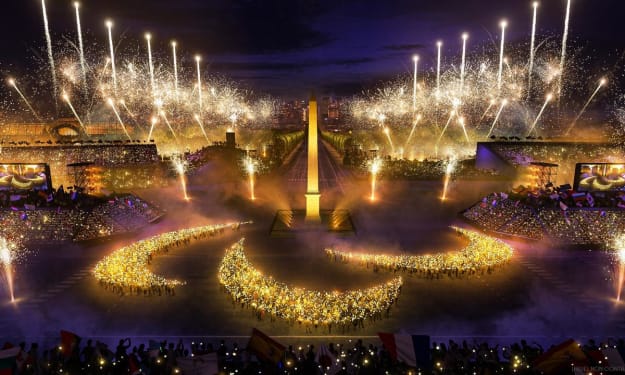
Fireworks have long been an integral part of global celebrations, symbolizing joy,and victory. In the context of the Olympic Games, fireworks hold a particularly symbolic role, playing a key part in the opening and closing ceremonies. They enhance the grandeur of the event, creating a spectacular visual display that signifies both the spirit of the Olympics and the celebration of human potential. This essay explores the traditional role of fireworks in Olympic ceremonies, examining their historical significance, symbolic value, and how they have evolved over time.
By Badhan Senabout a year ago in Gamers
Twilight Ranger and Necromancer: Why This Duo is the 2026 Meta King
High-ladder play in Rush Royale has shifted. If you have logged into the competitive circuit lately, you have likely seen it. A specific, shadowy pairing is crushing the leaderboards and leaving traditional "Twins" or "Inquisitor" builds in the dust.
By Richard Bailey4 days ago in Gamers
I Am Future Review 2026
Post-apocalyptic games are usually filled with danger, despair, and constant combat. I Am Future: Cozy Apocalypse Survival takes a very different approach. Instead of focusing on fear and destruction, it presents the end of the world as a quiet opportunity to rebuild, relax, and rediscover joy in small, meaningful activities. Developed by Mandragora and published by tinyBuild, I Am Future blends survival mechanics with cozy life-sim elements, creating a unique experience that stands apart from traditional survival games.
By Games Mode On6 days ago in Gamers
Wild Card Weekend Recap: What Happens Now?
I think I figured out why I love Wild Card Weekend so much. It's because it's the first playoff anything of the calendar year. The NFL season starts in the fall, and once upon a time, the champion was crowned either on or slightly before New Year's. The evolution of the NFL schedule has resulted in the playoffs starting just into the New Year, and currently, the final week of the season falls on the first weekend of the New Year, with Wild Card Weekend coming a week after that. So yes, chronologically, the NFL's Wild Card Weekend serves as the first playoff anything of the calendar year.
By Clyde E. Dawkins6 days ago in Unbalanced



Comments (1)
What a great review of your past articles that could be used in Present day History course.