
THE OLYMPIC GAMES AND THE ROLE OF SOCIAL MEDIA
How Digital Platforms Transform Global Engagement,Branding,and Athlete Interaction

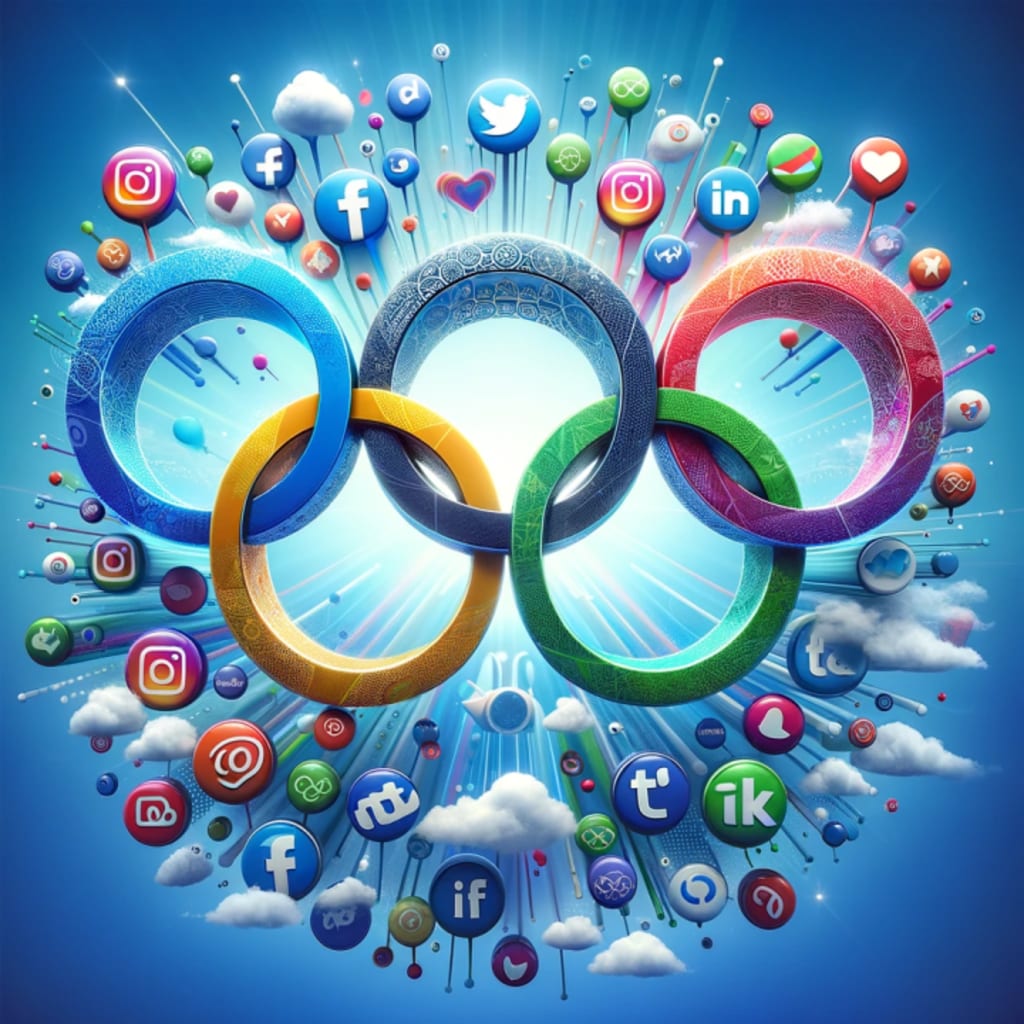
The Olympic Games are one of the most celebrated global events, bringing together athletes from around the world to compete in various sports. The Games have a long-standing history, with roots dating back to ancient Greece, where the first Olympic Games were held in 776 BCE. Today, the modern Olympics have grown into a massive international event that is not only a celebration of athletic achievement but also a powerful platform for cultural exchange and national pride. In the 21st century, the role of social media in shaping the way the Olympics are experienced, shared, and consumed has been revolutionary. This essay explores how social media has transformed the Olympic Games, providing unprecedented access, engagement, and influence on the global stage.
(I)The Emergence of Social Media in the Olympics
The impact of social media on the Olympics started to become visible in the early 2000s with the rise of platforms like Facebook, Twitter, and YouTube. These platforms allowed athletes, fans, and organizations to connect, share, and interact in ways that traditional media could not match. The London 2012 Olympics marked a turning point, as it was the first Games to be heavily influenced by social media, with millions of posts, tweets, and photos flooding the internet, bringing a new level of excitement and engagement to the event.
The Sochi 2014 Winter Olympics further solidified the importance of social media, with the International Olympic Committee (IOC) embracing platforms such as Instagram, Vine, and Snapchat, recognizing the need to connect with a younger, tech-savvy audience. As a result, the Games were no longer just broadcasted via television; they became a shared, interactive experience that allowed people from all corners of the world to engage in real-time discussions, view highlights, and offer support to their favorite athletes.
(II)Enhanced Access and Real-Time Coverage
One of the most significant ways social media has transformed the Olympics is by providing real-time coverage and unfiltered access. In previous decades, fans were limited to traditional forms of media—television broadcasts, newspaper articles, and radio reports. While these channels still play a role in Olympic coverage, social media platforms allow for a more dynamic and interactive experience. Fans can watch live streams of events, view highlights, and even participate in live discussions about the Games.
Platforms like Twitter have made it possible for fans to follow along with events, share their thoughts, and track updates on medal standings as soon as they happen. Social media also allows athletes to post behind-the-scenes content, sharing personal moments, training routines, and victories in ways that were previously impossible. This closer connection between athletes and fans has contributed to a more intimate and engaging experience, making the Games feel more personal and accessible.
(III)Global Reach and Fan Engagement
The reach of the Olympics has expanded significantly with the help of social media. The Games are now accessible to billions of people, regardless of their location or time zone. This level of access has enabled Olympic sponsors, athletes, and the IOC to connect with a global audience in a way that was never possible through traditional broadcasting alone. Fans from countries around the world can engage with the Olympics in their native language, follow athletes from their own nations, and join global conversations about the Games.
For example, the Tokyo 2020 Olympics saw an increase in engagement through social media, especially as many people watched the Games from home due to the COVID-19 pandemic. Fans interacted with live broadcasts, participated in hashtags like #Tokyo2020, and shared reactions to athletes' performances. This level of fan engagement created a sense of community, even when physical attendance at the Games was not possible.
(IV)Social Media as a Platform for Social Change
Social media has also become a platform for athletes to express their personal beliefs and engage in social activism. Throughout the history of the Olympic Games, athletes have used their platform to speak out on political and social issues. However, with social media, the ability to do so has become much more immediate and widespread.
The Black Lives Matter movement, the LGBTQ+ rights campaign, and other social justice movements have found strong advocates in Olympic athletes who use their social media presence to promote equality and raise awareness. The IOC, aware of the power of social media, has adapted its rules to allow athletes to express themselves in limited ways, acknowledging the growing importance of activism in the sports world.
For example, Colin Kaepernick’s protests in the NFL, though not directly part of the Olympics, inspired similar actions from athletes worldwide, including those in the Olympics. During the Tokyo 2020 Games, athletes like Gwen Berry (USA) and Tommie Smith and John Carlos (USA) were able to use social media to advocate for human rights, further solidifying the Olympics as a platform for broader societal conversations.
(V)Challenges and Ethical Considerations
While social media has undeniably enhanced the Olympic experience, it also presents challenges. The vast volume of content shared during the Games can sometimes lead to misinformation, the spread of fake news, or negative behavior such as cyberbullying. With so many voices participating in the conversation, it is sometimes difficult for fans to discern truth from rumor.
Moreover, the pressure placed on athletes to maintain a "perfect" online persona can lead to mental health challenges. The IOC, in collaboration with social media platforms, continues to navigate these issues by promoting positive behavior online and supporting athletes in maintaining their well-being in the digital age.
End
Social media has fundamentally reshaped how the Olympic Games are experienced, offering unprecedented access, real-time interaction, and a global platform for fans and athletes alike. It has enhanced the reach of the Games, brought attention to important social issues, and fostered a new sense of community. While challenges remain, the positive impact of social media on the Olympics is undeniable.
About the Creator
Badhan Sen
Myself Badhan, I am a professional writer.I like to share some stories with my friends.
Keep reading
More stories from Badhan Sen and writers in Gamers and other communities.
THE ROLE VOLUNTEERS IN THE SUCCESS OF THE OLYMPIC GAMES
The Olympic Games, one of the most prestigious and globally recognized sporting events, would not be possible without the tireless efforts of volunteers. Volunteers play an indispensable role in the smooth operation of the Games, ensuring that athletes, officials, spectators, and media have a positive and seamless experience. Their contributions span a wide range of activities, from assisting in logistics to offering emotional support to athletes. Their involvement not only helps with the practical elements of the event but also enhances the spirit of unity, cooperation, and shared enthusiasm that the Olympics embody.
By Badhan Senabout a year ago in Gamers
FC 26 Daily Review: TOTY Midfielders Arrive, "Pass-and-Go" Evolution Value, and the Olise SBC Debate
The TOTY central midfielders have officially entered the player pool, marking one of the most prestigious phases of the FC 26 cycle. Today’s update features six elite cards, a highly tactical free Evolution, and a controversial new SBC for Michael Olise.
By hasan zidanabout 9 hours ago in Gamers
U4gm Diablo IV Season 11: Tier List and Class Meta Explained
Season 11 of Diablo IV, officially called the Season of Divine Intervention, has shaken up the game like never before. With revamped mechanics, new endgame challenges, and shifts in class balance, players are eager to know which classes dominate in the current meta.
By Billo Nali2 days ago in Gamers
Miss Persephone's Manual to a Seemingly Ordinary Life
Miss Persephone was found at the dining table, her blue eyes swollen, her tears arriving and retreating like the tides of the ocean. Earlier that day, her family had visited her in the retirement home where she had lived for eight years. It was her eightieth birthday.
By Imola Tóth4 days ago in Fiction


Comments (1)
What a great article on the Olympics in general and how social media helps in a way.