
THE DOPING SCANDAL:HOW DRUG USE HAS SHAPED OLYMPIC HISTORY
The Impact of Performance-enhancing Drugs on the Integrity and Legacy of the Olympic Games.


Doping in sports, particularly in the Olympics, has been one of the most contentious issues throughout the history of modern athletics. Athletes have long sought ways to gain an edge over their competitors, and the use of performance-enhancing drugs (PEDs) has been at the forefront of this battle. The Olympics, as the pinnacle of international athletic competition, have seen many doping scandals, each of which has left a lasting impact on the Games and its legacy.
(I)Early History of Doping
Doping in the Olympics can be traced back to the early 20th century, though it wasn't until much later that it became a major concern. In the early 1900s, athletes were known to use a variety of substances like caffeine, alcohol, and even strychnine to enhance their performance. These substances were often seen as harmless or even beneficial, but their long-term effects were not well understood.
However, as the Olympics grew in stature, so too did the pressure on athletes to perform at ever-higher levels. This pressure, combined with the advent of more sophisticated drugs, led to a series of doping scandals that would change the course of Olympic history.
(II)The 1960 Rome Olympics and the First Major Scandal
One of the earliest and most shocking doping scandals occurred during the 1960 Summer Olympics in Rome. Danish cyclist Knud Enemark Jensen collapsed during a race and later died. It was revealed that Jensen had been using the stimulant Roniacol, which led to a controversial investigation into the use of performance-enhancing drugs in the sport. This incident is often seen as the first major doping scandal in Olympic history, though it was not the last.
The 1960 Rome Olympics marked the beginning of a more rigorous focus on doping in the years to come, but it also highlighted the widespread use of drugs in competitive sports. In the following decades, the use of anabolic steroids, stimulants, and other banned substances would only become more prevalent, prompting calls for more stringent anti-doping measures.
(III)The 1980s and the Rise of Steroid Use
The 1980s saw the emergence of anabolic steroids as the performance-enhancing drug of choice for many athletes. These substances, which promote muscle growth and recovery, allowed athletes to train harder and recover faster. While steroids were not yet banned in many sports, their use quickly became widespread in track and field, bodybuilding, and other Olympic disciplines.
The 1988 Seoul Olympics were a turning point in the history of doping scandals. Canadian sprinter Ben Johnson set a new world record in the 100 meters, but just days later, he was disqualified after testing positive for the anabolic steroid stanozolol. Johnson’s disqualification was one of the most high-profile doping cases in Olympic history and brought global attention to the issue of PEDs. This incident was instrumental in pushing the International Olympic Committee (IOC) to implement stricter anti-doping measures.
(IV)The 2000s and the Era of Blood Doping
In the 2000s, a new form of doping emerged: blood doping. This method involves increasing the number of red blood cells in an athlete’s body to enhance endurance and oxygen delivery. Blood doping is difficult to detect, making it especially attractive for athletes looking to gain an advantage.
One of the most infamous cases of blood doping in Olympic history involved American cyclist Lance Armstrong. Armstrong, who won seven consecutive Tour de France titles, was accused of using performance-enhancing drugs throughout his career. In 2012, after years of denial, Armstrong was stripped of his Olympic medals and banned from cycling for life. His case brought to light the extent of doping in cycling and raised questions about the effectiveness of the anti-doping system in the Olympics.
(V)The Russian Doping Scandal
The most recent and perhaps the most significant doping scandal in Olympic history involves Russia. In 2014, investigative reports revealed a state-sponsored doping program in Russia, orchestrated by the country’s government to help its athletes perform at the highest levels during the 2014 Winter Olympics in Sochi. The Russian government was accused of covering up positive tests and manipulating doping results. In response to the scandal, the IOC banned Russia from the 2018 Winter Olympics, although Russian athletes were allowed to compete under a neutral flag.
The Russian doping scandal has had a profound impact on the Olympics, leading to reforms in the anti-doping system and calling into question the integrity of the Games themselves. It also underscored the global challenge of ensuring that athletes compete fairly and without the use of banned substances.
(VI)The Ongoing Battle Against Doping
The IOC, along with organizations like the World Anti-Doping Agency (WADA), has made significant strides in combating doping. Athletes are now subject to more rigorous testing, and substances like anabolic steroids, blood boosters, and other performance enhancers are banned across most Olympic sports. Despite these efforts, doping remains a persistent issue in the Olympics.
The question of how to address doping is complicated. Athletes who use PEDs often justify their actions by citing the intense pressure to perform and the desire to remain competitive in a highly commercialized environment. Critics argue that the IOC and WADA need to do more to create a level playing field for athletes and to prevent future scandals from tarnishing the reputation of the Olympics.
In The End
Doping scandals have played a significant role in shaping Olympic history. From the early use of stimulants to the state-sponsored doping programs of Russia, the issue of performance-enhancing drugs continues to cast a shadow over the Games. While progress has been made in the fight against doping, the issue remains a persistent challenge. As the IOC and anti-doping agencies continue their work to clean up the Olympics, the legacy of past scandals serves as a reminder of the complex relationship between sport, performance, and ethics.
About the Creator
Badhan Sen
Myself Badhan, I am a professional writer.I like to share some stories with my friends.
Keep reading
More stories from Badhan Sen and writers in Gamers and other communities.
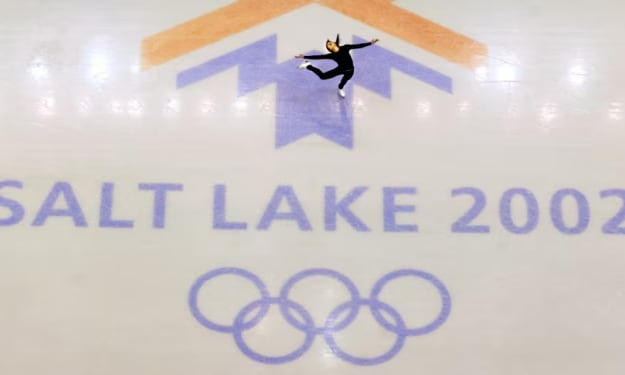
THE IMPACT OF THE SALT LAKE CITY SCANDAL ON THE OLYMPICS
The Salt Lake City scandal, which occurred in the lead-up to the 2002 Winter Olympics, had a profound and far-reaching impact on the Games, the Olympic movement, and the international sports community. The scandal, which involved bribery, corruption, and unethical practices, not only tarnished the reputation of the Salt Lake City Organizing Committee (SLOC) but also cast a shadow over the International Olympic Committee (IOC) itself. This event led to significant changes in how the Olympics would be governed and helped reshape the way future Games would be organized and run.
By Badhan Senabout a year ago in Gamers
Essential Golf Tips Every Beginner Needs to Improve Their Game
Golf is a rewarding sport that combines skill, patience, and strategy. For beginners, the game can feel challenging because it requires mastering several techniques at once. Many new golfers focus too much on hitting the ball far instead of learning the fundamentals that lead to consistent performance. Improvement comes from developing good habits early, practicing with purpose, and understanding how each part of the game works together. With the right approach and consistent effort, beginners can build confidence and steadily improve their performance on the course.
By Daniel Ladnera day ago in Gamers
7 Methods to Earn MLB The Show 26 Stubs Fast
In MLB The Show 26, stubs are the in-game currency that players use to purchase packs, cards, and other valuable items. Earning stubs can be challenging, but with the right strategies, you can accumulate them efficiently. Here are seven methods to help you earn stubs quickly without feeling overwhelmed.
By Snow manerabout 7 hours ago in Gamers
Top tipple tricks
Been thinking a lot about drinking, lately. Not least because of a recent episode of over-indulgence and the inevitable after effects. Some readers may recall the earlier articles I wrote about beating the booze. Here I set out an experiment in techniques for cutting down on my alcohol intake. The experiment was successful, the techniques worked, and I have armed myself with an arsenal of weapons in the war against the demon drink. I have yet to fire the first round however. It's all a question of timing (perhaps procrastination).
By Raymond G. Taylor5 days ago in Psyche



Comments
There are no comments for this story
Be the first to respond and start the conversation.