
THE DEBATE OVER THE ROLE OF TRANSGENDER ATHLETES IN THE OLYMPICS
Balancing Inclusion,Fairness,and Competition in Global Sports.

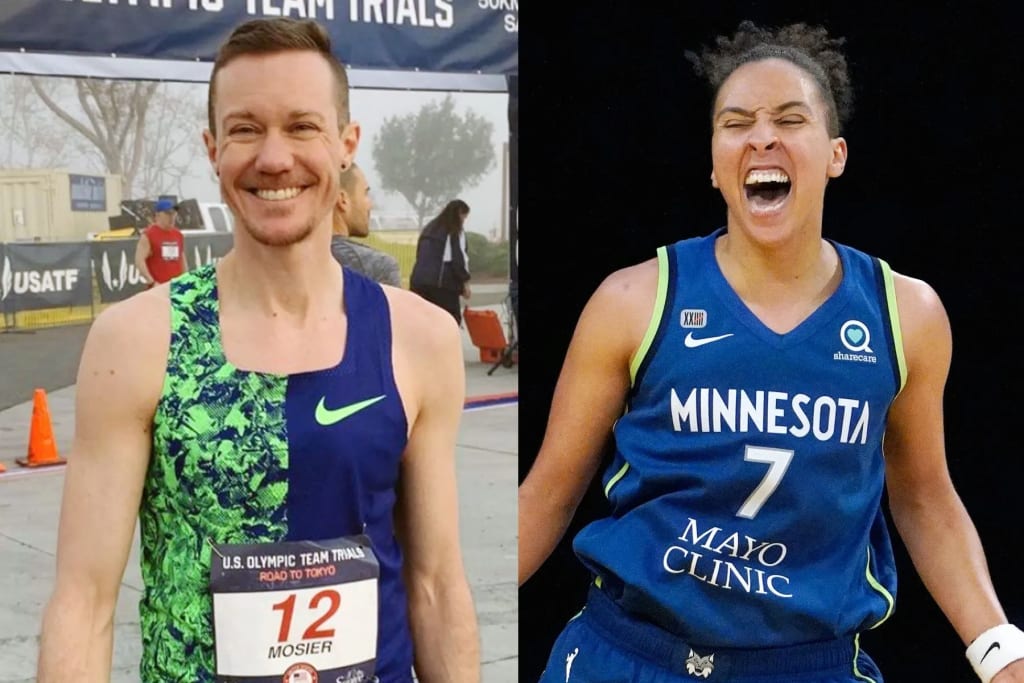
The participation of transgender athletes in the Olympics has sparked a significant global debate, touching on issues of inclusivity, fairness, and the fundamental values of competitive sports. This discussion reflects broader societal questions about gender identity and equality, while also highlighting the complexities of maintaining a level playing field in elite athletic competition.
The Push for Inclusivity
Supporters of transgender athletes' participation in the Olympics argue that inclusivity should be a cornerstone of modern sports. The International Olympic Committee (IOC) has long emphasized the importance of respecting human rights and eliminating discrimination. Advocates contend that allowing transgender athletes to compete in alignment with their gender identity is an essential step toward achieving this goal.
In 2004, the IOC established guidelines for transgender participation, allowing athletes to compete if they underwent gender-affirming surgery and hormone therapy. These rules evolved in 2015, with the surgery requirement removed and a testosterone level threshold introduced for transgender women. This was seen as a progressive move that sought to balance fairness with inclusivity. Proponents highlight these measures as evidence that the IOC is committed to accommodating transgender athletes while addressing physiological differences.
Concerns About Fairness
Opponents, however, raise concerns about fairness in competition. They argue that male puberty provides advantages in terms of bone density, muscle mass, and cardiovascular capacity, which are not fully mitigated by hormone therapy. Critics claim these physiological differences could give transgender women an edge over cisgender women in certain sports, potentially undermining the integrity of women’s competitions.
Studies on the effects of testosterone suppression have shown mixed results, with some indicating that certain physical advantages persist even after years of hormone therapy. This has led to calls for more rigorous scientific research to better understand the implications of transgender participation on competitive balance.
Striking a Balance: Current Policies and Challenges
The IOC’s current guidelines aim to strike a balance between inclusivity and fairness, but they remain a work in progress. Individual sports federations have been given the autonomy to establish their own rules, leading to a patchwork of policies. For example, World Athletics requires transgender women to maintain testosterone levels below a certain threshold for at least 24 months before competing in female events, while other organizations have implemented stricter or more lenient criteria.
This decentralization reflects the varying demands of different sports. Power-based sports like weightlifting and sprinting may require stricter regulations due to the potential impact of physiological differences, while skill-based sports may have more flexibility. However, this variability also creates confusion and inconsistency, complicating the inclusion of transgender athletes.
The Ethical Dimensions
Beyond physiological and policy concerns, the debate also has profound ethical dimensions. Transgender athletes often face intense scrutiny, discrimination, and social stigma. Critics argue that these challenges can discourage participation in sports and harm the mental health of transgender individuals. Advocates emphasize the importance of fostering an environment where all athletes feel respected and valued, regardless of their gender identity.
The debate also raises questions about the role of sports in society. Should the primary focus be on pure athletic performance, or should sports also serve as a platform for promoting social justice and inclusion? This philosophical divide underscores the complexity of crafting policies that address the diverse perspectives involved.
Moving Forward
The debate over transgender athletes in the Olympics is unlikely to be resolved anytime soon. Advances in science and evolving societal attitudes will continue to shape this discussion. To move forward, stakeholders must prioritize open dialogue and evidence-based decision-making. Policymakers, athletes, and advocacy groups need to work collaboratively to ensure that the principles of fairness and inclusivity are upheld.
Investing in more comprehensive research is crucial to better understand the impact of transgender participation on sports performance. Transparent and consistent policies will help reduce confusion and foster a sense of fairness. Additionally, educational initiatives can promote understanding and acceptance of transgender athletes among the broader public.
In The End
The role of transgender athletes in the Olympics encapsulates a broader societal struggle to balance inclusion with fairness. While the path forward is fraught with challenges, it also presents an opportunity to redefine the values of sports in a more inclusive and equitable way. By engaging in respectful dialogue and relying on scientific evidence, the global sports community can navigate this complex issue while honoring the principles of both competition and human dignity.
About the Creator
Badhan Sen
Myself Badhan, I am a professional writer.I like to share some stories with my friends.
Keep reading
More stories from Badhan Sen and writers in Gamers and other communities.
THE CHALLENGES OF ENSURING FAIR JUDGING IN OLYMPIC EVENTS
Ensuring fair judging in Olympic events is a critical component of preserving the integrity and credibility of the Games. With athletes from all over the world competing at the highest level, fairness in judging becomes paramount. However, achieving fairness is far from simple. The challenges stem from a variety of factors, including subjective decision-making, inconsistent standards, the influence of cultural biases, technological limitations, and the immense pressure that judges are under. These challenges make the task of ensuring impartiality and fairness in Olympic events both complex and ongoing.
By Badhan Senabout a year ago in Gamers
My Own Personal History Of Computer Gaming
I am going to start this with the reason why I could never learn to ride a motorcycle as a teenager. I learned to drive, but when I got on a full-blown motorcycle, there were so many things to remember and control that I usually ended up just falling off. I could ride a moped because everything was on the handlebars, and a speedway bike was brilliant, just an accelerator and no brakes, perfectly simple, but a full-blown motorcycle, I just couldn’t cut it.
By Mike Singleton 💜 Mikeydred about 5 hours ago in Gamers
U4gm Luck Hits Los Santos: St. Patrick’s Day Update in GTA Online
Los Santos is getting a festive makeover! Rockstar Games has launched the St. Patrick’s Day seasonal update for GTA Online, running from March 12 to March 19, 2026. This limited-time event brings a mix of cash rewards, exclusive items, community challenges, and bonus multipliers, making this week one of the most exciting times to log in and play.
By Billo Nali3 days ago in Gamers
My First Time Skiing and I Got Lost, Alone, in the French Alps
Looking back, I can trace some of my life’s biggest adventures to a simple action from my sister. She’d introduced me to Tommy (a very long time ago), a colleague of hers, who had overshared his penchant for Italian-looking women, and I ticked that box.
By Chantal Christie Weiss3 days ago in Humans



Comments
There are no comments for this story
Be the first to respond and start the conversation.