
THE CONCEPT OF AMATEURISM IN THE OLYMPIC GAMES.
Amateurism:Upholding the Spirit of Fair Play and Equality in the Olympic Games.

The concept of amateurism has been a cornerstone of the Olympic Games since their inception in modern times. Originating in the late 19th century, amateurism embodied ideals of fair competition, equality, and moral integrity. However, the interpretation and application of amateurism have evolved significantly over time, leading to debates and reforms that reflect broader societal and cultural changes. This essay explores the historical origins, evolution, and controversies surrounding amateurism in the Olympics.
Historical Origins of Amateurism
The modern Olympic Games were founded in 1896 by Pierre de Coubertin, inspired by the ideals of ancient Greece. The ancient Olympics celebrated athletic excellence, but participants were primarily free citizens and not professionals. De Coubertin sought to revive this ethos, embedding the concept of amateurism into the foundation of the modern Games. According to this philosophy, athletes were expected to compete purely for the love of sport, free from financial incentives or professional affiliations.
Amateurism in the early Olympics was defined rigidly, often excluding athletes who had ever received payment for athletic performance or coaching. This strict definition was rooted in the values of the Victorian upper class, which viewed sport as a pastime for the elite rather than a livelihood. The aim was to preserve the "purity" of competition and ensure that sports were not tainted by commercial or professional interests. This system favored wealthy participants who could afford to train without needing financial support.
Evolution and Challenges
The rigidity of amateurism began to face challenges in the 20th century as the nature of sports and society evolved. The rise of professional sports leagues, increased international competition, and the growing commercialization of athletics exposed the limitations of the amateur model. Many athletes from less privileged backgrounds struggled to compete under these rules, as they required financial support for training and equipment.
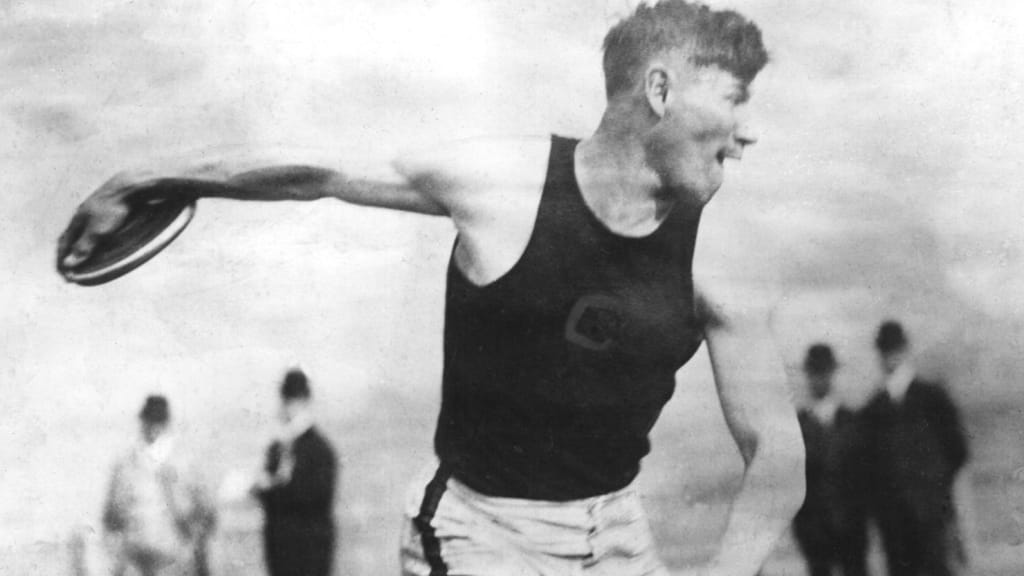
One of the most famous controversies surrounding amateurism occurred during the 1912 Olympics, when Jim Thorpe, an American decathlete and pentathlete, was stripped of his medals after it was discovered that he had played semi-professional baseball before the Games. This incident highlighted the inequities of the amateur system, as athletes from wealthier countries or backgrounds could often bypass such restrictions.
The Cold War era further complicated the notion of amateurism. Athletes from Soviet-bloc countries were technically amateurs but received state sponsorships, training, and stipends that blurred the line between amateur and professional. This created an uneven playing field, as athletes from capitalist countries, especially the United States, were held to stricter interpretations of amateurism.
The Decline of Amateurism
The decline of amateurism as a rigid principle gained momentum in the latter half of the 20th century. The growing recognition that strict adherence to amateurism excluded many talented athletes, particularly those from developing nations or disadvantaged backgrounds, led to calls for reform. Additionally, the increasing commercialization of sports, through sponsorships, endorsements, and media rights, made the amateur model increasingly untenable.
In 1981, the International Olympic Committee (IOC) formally abolished the amateurism requirement, allowing professional athletes to compete in the Games. This decision marked a significant turning point, as it acknowledged the realities of modern sports while preserving the spirit of fair competition. The inclusion of professional athletes in sports like basketball and tennis, previously dominated by amateurs, transformed the Olympics, increasing its global appeal and competitiveness.
Contemporary Implications
Today, the Olympic Games embrace both amateur and professional athletes, reflecting a more inclusive and pragmatic approach. The focus has shifted from the amateur-professional divide to ensuring fair play, equal opportunity, and anti-doping measures. Athletes are now free to pursue sponsorships, endorsements, and financial support, which helps level the playing field and allows participants from diverse backgrounds to compete.
While the abandonment of strict amateurism has made the Olympics more representative and competitive, it has also raised concerns about the increasing commercialization of the Games. Critics argue that the Olympic spirit risks being overshadowed by corporate interests and financial pressures, leading to a loss of focus on the values of sportsmanship and international unity.
In The End
The concept of amateurism in the Olympics reflects a complex interplay of historical ideals, social changes, and practical realities. While the original intent of amateurism was to promote fairness and moral integrity, its rigid application often excluded talented athletes and perpetuated inequities. The eventual abandonment of strict amateurism marked a significant step towards inclusivity and equality in the Olympic Games.
Today, the Olympics stand as a testament to the evolving nature of sports and society. By embracing professionalism while maintaining a commitment to fair competition and global unity, the Games continue to inspire athletes and audiences worldwide. The legacy of amateurism, though transformed, remains a reminder of the importance of balancing tradition with progress in the pursuit of excellence in sports.
About the Creator
Badhan Sen
Myself Badhan, I am a professional writer.I like to share some stories with my friends.
Keep reading
More stories from Badhan Sen and writers in Gamers and other communities.
THE ROLE OF YOUTH IN THE OLYMPIC MOVEMENT
The Olympic Movement, rooted in the principles of excellence, respect, and friendship, has transcended boundaries to inspire humanity through sports. Central to this movement are the youth, whose energy, passion, and commitment drive the spirit of the Olympics forward. The role of youth is critical, not just as participants but also as ambassadors, change-makers, and torchbearers of the Olympic values in the modern era. This essay delves into the multifaceted role of youth in the Olympic Movement and their significance in shaping its future.
By Badhan Senabout a year ago in Gamers
The Rise of Online Gaming Communities: How Players, Creators, and Collaboration Shape Digital Culture
Over the last decade, online gaming has grown far beyond a simple form of entertainment. What once existed as a niche hobby for a small group of enthusiasts has evolved into a vast, interconnected digital culture. Today, online gaming is a global ecosystem that connects players, creators, and communities, all contributing to an environment where interaction, storytelling, and creativity define the experience. Gaming has become more than a pastime—it’s a space where social connections are built, ideas are shared, and digital culture is shaped.
By Hawaiian Malia5 days ago in Gamers
From Battle Royale to a Global Digital Platform
When Fortnite first gained popularity, it was known mainly as a fast-paced battle royale game. Over time, however, Fortnite evolved into something much broader. Today, it functions as a global digital platform that blends gaming, creativity, social interaction, and live entertainment. This shift did not happen through hype or exaggeration, but through steady development and changing player behavior.
By Games Mode Ona day ago in Gamers



Comments (1)
What a great historical essay on the Olympics of the past and present and maybe the future.