
THE 1992 BARCELONA OLYMPICS AND THE RETURN OF DREAM TEAM BASKETBALL
How the NBA's Achieve Redefined Olympic Basketball and Globalized the Sport.


The 1992 Barcelona Olympics marked a groundbreaking moment in the history of the Olympic Games, particularly for basketball. It was in this event that the iconic "Dream Team" was introduced to the world, forever changing the landscape of international basketball and global sports. The 1992 Olympics were a milestone not only for the United States but also for the broader development of basketball as a global phenomenon. The success and dominance of the U.S. men's basketball team, composed of the greatest players of the time, cemented its place in Olympic history and brought international attention to the sport.
The Context: The Evolution of Basketball in the Olympics
Basketball had been included in the Summer Olympic Games since 1936, but for the first few decades, the competition was dominated by amateur players, mainly from the United States. However, the 1980s saw a significant shift in the way basketball was played at the Olympic level. The Soviet Union and other Eastern Bloc countries began to develop more competitive teams, and the quality of basketball at the Olympics increased. Yet, the United States continued to dominate, largely due to the presence of talented college players on its Olympic roster.
In 1989, the International Basketball Federation (FIBA) made a historic decision that would have a profound impact on the future of Olympic basketball. After years of pressure from the U.S. and growing recognition of the increasing global appeal of the sport, FIBA allowed professional basketball players to compete in the Olympics, marking the end of the amateur-only rule. This decision paved the way for the creation of the "Dream Team" and set the stage for the United States to assemble the most talented basketball roster in Olympic history.
The Formation of the Dream Team
The United States' basketball program, led by legendary coach Chuck Daly, quickly realized the opportunity to field an all-star team for the 1992 Olympics in Barcelona. The team was composed of NBA legends from that era, creating a roster that was nothing short of historic. The players selected for the team included:
- Michael Jordan – Widely regarded as the greatest basketball player of all time, Jordan was the centerpiece of the Dream Team, bringing his leadership, skill, and competitive drive to the Olympic squad.
- Magic Johnson – A pioneer of the point guard position and one of the NBA’s most charismatic players, Johnson was an instrumental figure in bringing a high level of play and experience to the team.
- Larry Bird – Another NBA legend, Bird’s sharpshooting and basketball IQ made him an invaluable asset to the Dream Team.
- Charles Barkley – Known for his scoring ability and charisma, Barkley brought both talent and personality to the team.
- Scottie Pippen – A versatile forward known for his defensive prowess, Pippen was one of the team’s key players.
- Patrick Ewing, David Robinson, and other NBA stars – The roster also included Hall of Fame-caliber players like Ewing, Robinson, John Stockton, and Clyde Drexler, further solidifying the team’s dominance.
The selection of these players was a statement of intent by the U.S. Basketball Federation and the NBA. The Dream Team was not just a collection of individual stars; it was a team of professionals who, together, represented the pinnacle of basketball talent.
The Impact of the Dream Team at the 1992 Barcelona Olympics
The 1992 Barcelona Olympics were the first Games to feature professional NBA players, and the Dream Team’s presence changed the nature of the competition. The U.S. team’s dominance was unprecedented, with the team winning every game by a significant margin. Their average victory margin was 44 points, and they defeated their opponents with a combination of skill, athleticism, and teamwork that had never been seen before in Olympic basketball.
The Dream Team’s style of play, which combined fast breaks, slam dunks, and incredible shooting accuracy, was a far cry from the more methodical, less polished basketball that had previously been seen at the Olympics. The team’s skill level and chemistry were simply unmatched, and their games became a spectacle for fans worldwide.
However, it wasn’t just the gameplay that captivated the global audience—it was the personalities and star power of the players. The Dream Team’s games were broadcast globally, drawing huge viewership numbers and sparking a new era for basketball worldwide. The team’s influence was felt across the globe, from the streets of Europe to the courts of Asia and Latin America. The popularity of the game exploded internationally, and the 1992 Olympics played a significant role in making basketball a truly global sport.
Cultural and Commercial Impact
Beyond their on-court dominance, the Dream Team had a profound cultural and commercial impact. The players’ iconic status helped elevate the NBA into a global brand. Michael Jordan, in particular, became a worldwide phenomenon, transcending the sport of basketball and becoming a household name across continents. His presence, along with the other members of the Dream Team, played a key role in popularizing basketball around the world, leading to an increase in NBA viewership and a surge in the sport’s growth in countries like China, the Philippines, and many European nations.
The Dream Team also played a role in breaking down racial and political barriers. The players, many of whom had diverse backgrounds and were seen as symbols of success, came to represent American excellence on the world stage. Their dominance at the Olympics sent a powerful message about American athleticism and the global appeal of U.S. sports culture.
Furthermore, the 1992 Olympics were a significant milestone for the commercialization of the Games. The sponsorships, merchandise sales, and endorsements tied to the Dream Team helped propel basketball into the realm of major global marketing. The Olympics had always been a platform for international commerce, but the Dream Team's success helped make the NBA and Olympic basketball a major commercial enterprise.
The Legacy of the Dream Team
The legacy of the 1992 Dream Team extends far beyond the Olympics themselves. Their success not only reaffirmed the U.S.'s dominance in basketball but also set the standard for future Olympic basketball teams. In subsequent Olympics, the U.S. would continue to send professional players, although the success of the Dream Team was never quite replicated. The global popularity of basketball continued to soar, and many countries began to build their own competitive programs, with players like Dirk Nowitzki (Germany), Pau Gasol (Spain), and Manu Ginóbili (Argentina) rising to prominence on the international stage.
The Dream Team also set the stage for the “Redeem Team,” which won gold at the 2008 Beijing Olympics after a disappointing bronze finish in 2004. The success of the Dream Team inspired future generations of basketball players, both in the U.S. and abroad, and helped solidify basketball’s place as a dominant global sport.
Conclusion
The 1992 Barcelona Olympics and the introduction of the Dream Team were a defining moment in the history of Olympic basketball and international sports. The team’s dominance on the court, the personalities of its players, and the global attention they garnered helped elevate basketball to new heights. The Dream Team’s impact went far beyond their gold medal victory, shaping the future of international basketball and forever changing the way the Olympics were perceived by both athletes and fans. The 1992 Olympics proved to be not just a sporting event but a cultural milestone that reshaped the global landscape of basketball and international competition.
About the Creator
Badhan Sen
Myself Badhan, I am a professional writer.I like to share some stories with my friends.
Keep reading
More stories from Badhan Sen and writers in Gamers and other communities.
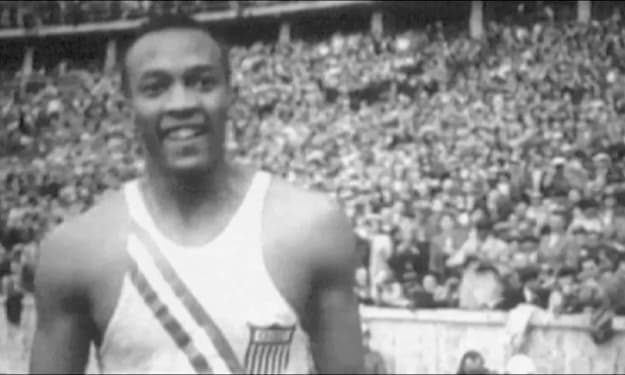
THE 1936 BERLIN OLYMPICS AND ITS NAZI PROPAGANDA
The 1936 Berlin Olympics, officially known as the Games of the XI Olympiad, were held in Nazi Germany under the regime of Adolf Hitler. The Games became one of the most politically charged events in Olympic history, as the Nazi government used the event as a propaganda tool to promote its ideals of Aryan racial superiority and to solidify its international standing. The Olympics, originally intended as a celebration of international athleticism and unity, were manipulated by the Nazis to further their political agenda and to project an image of strength and order.
By Badhan Senabout a year ago in Gamers
The Gym Where Iron Transformed Lives
The gym was hidden between a bakery and a closed-down bookstore, its faded sign barely visible from the street. The windows were dusty, the paint on the walls chipped, and the metal door creaked every time someone pushed it open. To most people, it looked like a forgotten place. But for those who stepped inside, it was a space where lives quietly transformed.
By The best writer 4 days ago in Gamers
U4gm Why Ranked Play in Call of Duty: Black Ops 7 Is the Ultimate Test of Skill
Call of Duty: Black Ops 7 isn’t just another fast-paced shooter—it’s a test of skill, strategy, and teamwork. For casual players, Quick Play delivers fun and chaos, but for those who want to prove themselves in the competitive arena, Ranked Play is the real deal. This mode isn’t just about racking up kills; it’s about outsmarting your opponents, controlling the map, and working seamlessly with your team.
By Dangyc Ding6 days ago in Gamers


Comments (1)
Good article. I still think at times that the Olympics should have stayed just for the amateur athlete.