
THE 1964 TOKYO OLYMPICS FIRST TO BE HELD IN ASIA
Japan's Triumph:A New Era for the Olympics and Global Sports.

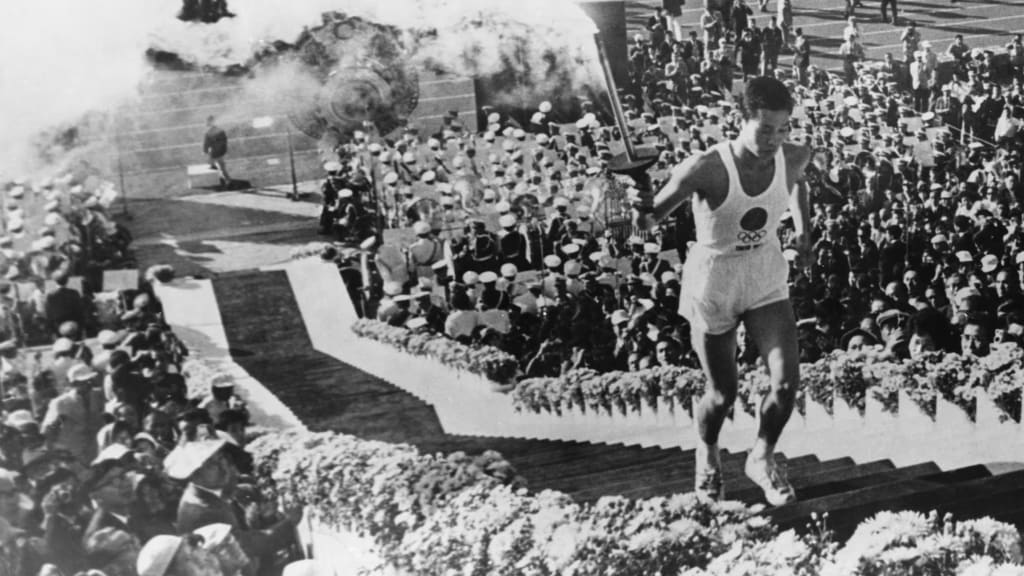
The 1964 Tokyo Olympics marked a significant moment in the history of the modern Olympic Games, as it was the first time the event was held in Asia. The Games, which took place from October 10 to October 24, 1964, represented not only an important milestone for Japan but also a new chapter in the global reach and influence of the Olympics. The 1964 Games were notable for their technological innovations, cultural significance, and lasting impact on both Japan and the wider world.
Japan’s Post-War Recovery and the Significance of Hosting the Games
In the aftermath of World War II, Japan was rebuilding itself both economically and socially. The country had been devastated by the war, but by the early 1960s, Japan was experiencing a period of rapid economic growth, known as the "Japanese Economic Miracle." This period of modernization and industrial expansion laid the foundation for Japan’s ability to host the Olympics.
For Japan, the 1964 Tokyo Olympics were seen as an opportunity to demonstrate its recovery, showcase its technological advancements, and establish its position as a modern, peaceful, and progressive nation on the world stage. Hosting the Games was also a symbol of the country’s desire to engage with the international community and break away from the isolationist period that followed the war.
The decision to award Tokyo the Games, which was announced by the International Olympic Committee (IOC) in 1959, was seen as a major achievement for Japan, particularly as it was the first time the Olympics were being held in Asia. It was a moment of pride for a country that had been excluded from major international events for decades due to its wartime history.
Technological Innovations and the Introduction of New Sports
The 1964 Tokyo Olympics are often remembered for the technological innovations that were introduced, many of which have become standard in the modern Olympic Games. Tokyo 1964 was the first Olympics to be televised live via satellite, allowing millions of viewers around the world to watch events as they happened in real-time. This technological breakthrough significantly expanded the reach of the Olympics and helped cement the Games as a global event.
In addition to television advancements, the 1964 Olympics introduced a number of new sports to the Games, most notably judo and volleyball.
(I)Judo: This traditional Japanese martial art made its Olympic debut in 1964, showcasing Japan’s cultural heritage on the world stage. Judo’s inclusion was a significant milestone, and Japan went on to dominate the sport, winning multiple gold medals.
(II)Volleyball: Another major addition to the Olympic program was volleyball, which became an official Olympic sport for both men and women. The inclusion of volleyball helped to modernize the Games, appealing to a broader audience and reflecting the growing popularity of team sports around the world.
Notable Moments and Athletes
The 1964 Tokyo Olympics produced some unforgettable moments, and several athletes emerged as stars of the Games.
(I)Don Schollander: The American swimmer won four gold medals, solidifying his place as one of the greatest swimmers of his generation. Schollander’s victories in the 100m and 400m freestyle, as well as in the relays, helped the U.S. team dominate the swimming competition.
(II)Larisa Latynina: The Soviet gymnast won six medals, including two golds, in what was an incredibly competitive field. Latynina’s performance at the Tokyo Olympics was one of the most outstanding in gymnastics history and would set the stage for her becoming the most decorated female Olympian of all time (at the time).
(III)Wilma Rudolph: The American sprinter, who had made history in 1960 by winning three gold medals in Rome, made her Olympic return to Tokyo in 1964, competing in the 100m and 200m. Though she did not win medals in Tokyo, her previous performances continued to inspire athletes and fans alike.
(IV)Nobuaki Oda: The Japanese figure skater made history by becoming the first Asian athlete to win an Olympic medal in figure skating. His performance helped put Japan on the map in winter sports, contributing to the country’s growing influence in the international sporting community.
(V)Naoto Tajima: Another Japanese athlete, Tajima was a triple jumper who won the gold medal in the men’s long jump, further solidifying Japan's prominence in athletics.
Legacy and Impact
The 1964 Tokyo Olympics had a lasting impact on both Japan and the world.
(I)Urban Development and Infrastructure:
One of the key legacies of the 1964 Games was the transformation of Tokyo’s infrastructure. The city underwent significant urban development in preparation for the Olympics, with the construction of new sports venues, transportation networks, and modern facilities. The Tokyo Metropolitan Gymnasium, the Yoyogi National Gymnasium, and the Olympic Village became important landmarks in the city, and many of these venues are still in use today. The development of the Shinkansen (bullet train), which was inaugurated in time for the Olympics, also revolutionized transportation and became a symbol of Japan’s technological advancement.
(II)Boost to Japan’s Global Standing:
The Tokyo Olympics helped solidify Japan’s post-war image as a peaceful and progressive nation. The successful hosting of the Games was seen as proof of Japan’s recovery and ability to be a responsible global leader. It also helped Japan gain influence in the international community, with the Games serving as a platform to display the nation’s technological, economic, and cultural achievements. Japan’s performance in the Olympics also helped elevate the nation’s stature, showing the world that it was a force to be reckoned with in the world of sports.
(III)Cultural Significance:
The Tokyo Olympics also played a key role in spreading Japanese culture around the world. The inclusion of judo and the focus on Japanese traditions showcased the country’s rich cultural heritage and introduced it to a global audience. For many countries, the Tokyo Olympics were their first exposure to Japanese culture, and this exposure helped shape the global perception of Japan.
(IV)Sporting Inspiration:
For Japanese athletes, the 1964 Olympics were a source of national pride and inspiration. The Games sparked a wave of interest in various sports, particularly judo and volleyball, which would go on to see increased participation and success in subsequent Olympics. Japan’s impressive performance, with a total of 29 medals, including 16 golds, cemented the nation’s place as a rising power in international sport.
Conclusion
The 1964 Tokyo Olympics were a groundbreaking event in many ways. As the first Games to be held in Asia, it marked a turning point for both Japan and the global Olympic movement. The Games helped Japan emerge from the shadow of World War II, showcasing the country's recovery and technological prowess. With their focus on innovation, cultural exchange, and global inclusivity, the 1964 Tokyo Olympics set a new standard for future Games and left a lasting legacy in both the sporting and cultural landscapes of Japan and the world.
About the Creator
Badhan Sen
Myself Badhan, I am a professional writer.I like to share some stories with my friends.
Keep reading
More stories from Badhan Sen and writers in Gamers and other communities.
THE 2012 LONDON OLYMPICS AND THE LEGACY
The 2012 London Olympics marked a historic moment for the city, making it the first to host the Games three times, following its previous stints in 1908 and 1948. Held from July 27 to August 12, the event was celebrated for its meticulous organization, innovative design, and cultural inclusivity. With its motto "Inspire a Generation," the Games left a lasting legacy not only in sports but also in urban development, sustainability, and social impact. This article explores the defining moments of the London Olympics and its enduring contributions to the Olympic movement and the host city.
By Badhan Senabout a year ago in Gamers
Rsvsr Unlock Big Rewards with GOP 3’s Jackpot Wheels
In Governor of Poker 3, winning doesn’t always come from the perfect hand or outsmarting your opponent at the table. Sometimes, the biggest surprises—and the richest rewards—come from something far simpler: a spin of the wheel. GOP 3’s Jackpot Wheels—including the Golden, Diamond, Ruby, and Emerald Wheels—offer players an exciting, chance-driven way to earn chips, spins, and rare in-game items.
By Billo Nali6 days ago in Gamers
YGO: Reborn! — A Living Yu-Gi-Oh! Experience Inside Roblox
YGO-Reborn is one of those Roblox games that instantly makes you stop scrolling and think, “Okay, this is serious.” It’s not just another fan-made project loosely inspired by Yu-Gi-Oh!. It’s a full-fledged, automatic duel simulator that genuinely tries to recreate the feeling of real Yu-Gi-Oh! while still being accessible and fun inside Roblox. From the very first duel, you can feel that this game was made by people who actually love the franchise.
By Serhii Biloshytskyi6 days ago in Gamers



Comments (1)
Good work this is especially interesting for I was just born in the Summer of '64 and reading about this was fun.