
THE 1960 ROME OLYMPICS AND THE FIRST TELEVISED GAMES
Bringing the Olympics to the World:A Revolution in Sports Broadcasting.

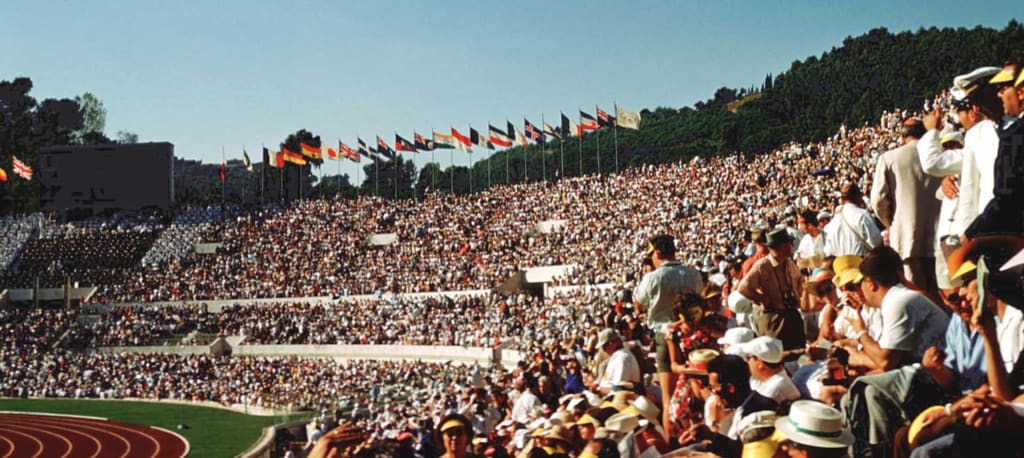
The 1960 Rome Olympics stand as a milestone in the history of the modern Olympic Games, not only for the athletic achievements but also for their pivotal role in revolutionizing the global reach of the event. These Games were the first to be extensively televised, bringing the excitement and drama of the Olympics into millions of homes worldwide. This innovation transformed the way audiences engaged with the Games, creating a lasting impact on sports broadcasting, commercial sponsorships, and the global appeal of the Olympics. Held from August 25 to September 11, 1960, in the historic city of Rome, these Games blended ancient tradition with modern technology, leaving a profound legacy.
The Context: A Modern Olympics in a Historic Setting
Rome had been selected to host the 1908 Olympics but relinquished the honor due to financial and logistical challenges. Over fifty years later, the city was given another opportunity to showcase its heritage and modernity. The 1960 Games took place amidst the backdrop of post-war recovery, with Italy eager to demonstrate its cultural richness and economic progress.
The venues highlighted Rome’s ancient splendor and modern advancements. Events were held in iconic locations such as the Baths of Caracalla, the Basilica of Maxentius, and the Stadio Olimpico. This blending of history and modernity captured the imagination of the world and provided a stunning visual backdrop for television broadcasts.
Television: A New Era for the Olympics
The 1960 Rome Olympics marked the first time the Games were broadcast live to international audiences. While previous Olympics had limited radio and film coverage, the Rome Games harnessed advancements in television technology to deliver live and recorded events to viewers in Europe, North America, and parts of Asia.
(I)European Coverage: For European audiences, the Games were broadcast live, making it possible for fans to witness the events as they happened. This immediacy brought a new level of excitement and connection to the Olympic experience.
(II)North America and Beyond: In the United States, networks like CBS aired recorded footage of key events due to time zone differences. Nevertheless, the ability to watch high-quality recordings of events like track and field, swimming, and gymnastics captivated American audiences.
Television coverage transformed the Olympics into a global spectacle, expanding its reach beyond those who could attend in person. It also introduced millions to the stories of athletes, enhancing their personal connection to the Games.
Memorable Moments and Iconic Athletes
The 1960 Rome Olympics were defined by unforgettable performances that showcased the power of human achievement. Some of the most iconic athletes of the era emerged during these Games, leaving indelible marks on Olympic history.
(I)Wilma Rudolph: The American sprinter overcame childhood polio to become the fastest woman in the world. Rudolph won three gold medals in the 100m, 200m, and 4x100m relay, becoming an international symbol of resilience and inspiration.
(II)Cassius Clay (Muhammad Ali): At just 18 years old, Clay won gold in boxing's light heavyweight division. His charisma, confidence, and skill hinted at the legendary career he would later have as Muhammad Ali.
(III)Abebe Bikila: The Ethiopian marathon runner made history by winning gold while running barefoot. Bikila became the first sub-Saharan African to win an Olympic gold medal, symbolizing a new era of African athletic excellence on the world stage.
(IV)Rafer Johnson: The American decathlete won gold in a closely contested competition against his teammate and rival, C.K. Yang. Johnson’s victory solidified his reputation as one of the greatest athletes of his time.
The Role of Television in Enhancing Narratives
Television coverage brought these athletes' stories to life, allowing viewers to witness their triumphs and struggles in vivid detail. The ability to see Rudolph’s effortless sprints, Clay’s electrifying boxing, and Bikila’s barefoot marathon victory created emotional connections that transcended borders.
The power of visual storytelling elevated the status of athletes and made their achievements more relatable and inspiring. For the first time, the Olympics were not just a series of events but a collection of personal journeys that resonated deeply with audiences.
The Impact of Television on the Olympic Movement
The success of the 1960 Rome Olympics underscored the potential of television to transform the Games. It ushered in a new era of commercial opportunities, as broadcasters and sponsors recognized the immense value of reaching global audiences through sports.
(I)Increased Sponsorship: The expanded viewership attracted more corporate sponsors, eager to associate their brands with the values of athletic excellence and global unity embodied by the Olympics. This laid the groundwork for the commercialization of future Games.
(II)Growth of Sports Broadcasting: The success of the televised Games spurred advancements in sports broadcasting, including innovations in camera technology, commentary, and live coverage. These developments enhanced the viewer experience and set the standard for future Olympic coverage.
(III)Global Appeal: The Rome Olympics showcased the universality of sports, inspiring nations to invest in their athletes and participate in the Games. The visibility of underrepresented regions, such as Africa, began to grow, thanks in part to television's ability to highlight diverse stories and achievements.
Challenges and Criticisms
While the 1960 Olympics were a triumph in many ways, they were not without challenges. The reliance on recorded footage for audiences outside Europe meant that some events lost the immediacy of live broadcasts. Additionally, the coverage was limited by the technology of the time, with fewer cameras and less sophisticated production techniques compared to modern standards.
Another issue was the disparity in access to television. While wealthier nations enjoyed extensive coverage, many parts of the world lacked the infrastructure to broadcast or watch the Games, limiting their exposure to the event.
Legacy of the 1960 Rome Olympics
The 1960 Rome Olympics left an enduring legacy, not only for their athletic achievements but also for their role in shaping the modern Olympic movement. By introducing extensive television coverage, the Games reached a global audience, cementing the Olympics as the premier international sporting event.
Rome demonstrated the power of sports to unite people and the potential of technology to amplify that unity. The success of these Games paved the way for future host cities to embrace television as a critical element of Olympic planning, ensuring that the Games would continue to grow in scale and impact.
Conclusion
The 1960 Rome Olympics were a transformative moment in Olympic history. As the first extensively televised Games, they brought the excitement of the Olympics into homes worldwide, forever changing the way audiences experienced the event. By blending the ancient grandeur of Rome with modern technology, these Games set the stage for the global spectacle that the Olympics have become today. Through unforgettable performances and groundbreaking innovations, the Rome Olympics remain a symbol of progress, inspiration, and the unifying power of sports.
About the Creator
Badhan Sen
Myself Badhan, I am a professional writer.I like to share some stories with my friends.
Keep reading
More stories from Badhan Sen and writers in Gamers and other communities.
THE 2020 TOKYO OLYMPICS AND THE IMPACT OF COVID-19
The 2020 Tokyo Olympics, postponed to 2021 due to the COVID-19 pandemic, will forever be remembered as a unique chapter in Olympic history. Originally scheduled to take place from July 24 to August 9, 2020, the Games faced unprecedented challenges as the world grappled with a global health crisis. Despite the hurdles, Tokyo successfully hosted the Olympics from July 23 to August 8, 2021, showcasing resilience and adaptability in the face of adversity. The event highlighted the intersection of sports, global unity, and the realities of a pandemic-stricken world.
By Badhan Senabout a year ago in Gamers
Master the Meta: How to Increase Legendarity Fast in Rush Royale 2026
The landscape of Rush Royale shifted dramatically with the introduction of the Legendarity system. For veteran players, the old days of simply stacking critical damage percentage are over. In 2026, your prowess is no longer measured solely by how many common units you have painstakingly leveled up to 15.
By Richard Bailey2 days ago in Gamers
Getting Serious About Comedy (Part I)
If I were asked to remark on my life and the childhood that paved some road leading me to this point, I would have to say something about all the funny people who surrounded me for the last 26,872 days (and counting). Somewhere along that road, I became a big fan of laughter and the comedy that spawns it – and, I mean not only my own laughter, but the laughter of others, some of which I have actually been responsible for inducing.
By John Oliver Smith7 days ago in Humor




Comments (1)
Another great Olympics article. TV did change that atmosphere, today with digital capabilities LIVE action can be seen at the time if the commentators would show the sporting event instead of talking about other things like where they are staying.