
Streamers Are Fuming Over Twitch’s Low-Paying “Sponsorships” for 2XKO
“Content creators push back against low-paying 2XKO sponsorships, sparking debate over Twitch’s compensation model”
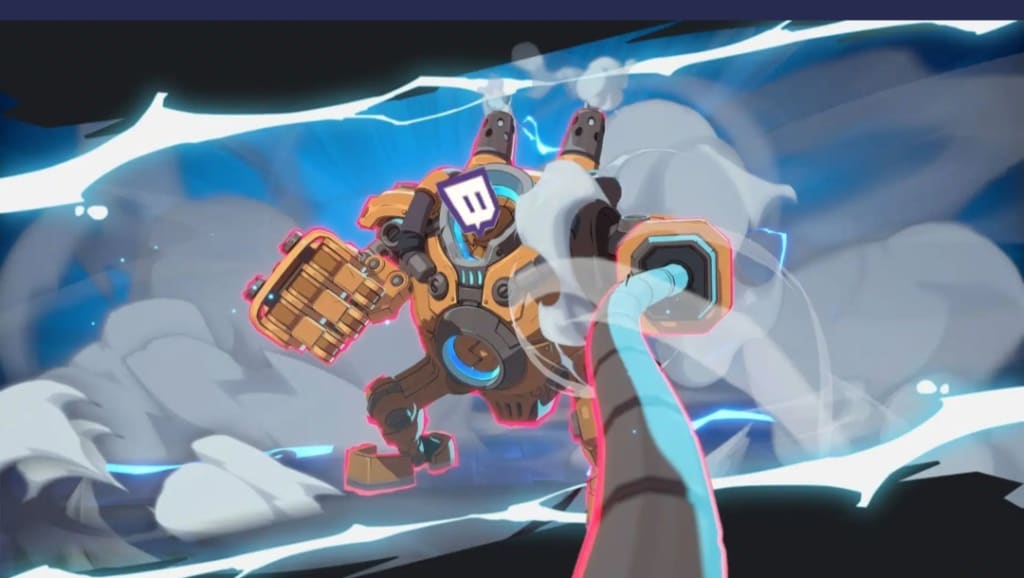
Popular streaming platform Twitch is facing backlash from its content creators over its recent sponsorship offers for the game 2XKO. Many streamers have voiced frustration, arguing that the payouts are insufficient and fail to reflect the time, effort, and audience engagement required to promote the game.
The controversy underscores a growing tension between streaming platforms and content creators, as the economics of sponsorships, revenue sharing, and platform policies come under increased scrutiny.
What Happened With 2XKO Sponsorships
Twitch announced sponsorship opportunities for 2XKO, a multiplayer fighting game that has been gaining popularity in the gaming community. The sponsorships promised streamers a chance to earn money by featuring the game in live streams, social media posts, and promotional content.
However, many streamers were disappointed to learn that the compensation offered was significantly lower than expected, with some payments barely covering the cost of production and streaming time. Reports indicate that payouts were inconsistent, and the terms of engagement were often restrictive, limiting creative freedom.
Streamer Reactions
The response from the Twitch creator community has been vocal and critical:
Small and mid-tier streamers reported that the offers were not sustainable, particularly for those who rely on sponsorships as a primary income source.
Top-tier content creators expressed frustration that the sponsorship model undervalues their reach and influence.
Many took to social media platforms like Twitter and Discord to voice concerns, using hashtags related to Twitch and 2XKO sponsorships to highlight the issue.
One streamer wrote, “I love 2XKO, but Twitch’s sponsorship offer doesn’t even cover the hours I’d spend promoting it. It feels like we’re being undervalued.”
Why This Matters
Sponsorships are a key revenue stream for streamers, particularly as ad revenue, subscriptions, and donations fluctuate. Platforms like Twitch rely on creators to attract viewers, build communities, and generate engagement, yet the compensation for these sponsorships often does not reflect the value streamers bring to the table.
Low-paying sponsorships can lead to several challenges:
Financial strain: Smaller streamers may struggle to maintain consistent content production.
Reduced motivation: Creators may hesitate to promote sponsored games, affecting visibility and sales.
Community backlash: Audiences may perceive low engagement from their favorite streamers as a lack of interest or authenticity.
Platform Policies Under Scrutiny
The Twitch sponsorship model for 2XKO has reignited debate over platform policies and creator support. Critics argue that Twitch has not done enough to ensure fair compensation or transparency regarding:
How sponsorship payouts are calculated
Why some creators receive higher offers than others
Limitations on content formats and promotional methods
Analysts suggest that Twitch may need to rethink its approach to maintain creator loyalty and prevent reputational damage.
The Role of Mid-Tier Streamers
Mid-tier streamers, often with audiences between 1,000–50,000 followers, are particularly affected. They typically rely on a combination of subscriptions, bits, and sponsorships for income. Low-paying deals, like those offered for 2XKO, may not justify the time investment required, potentially discouraging them from participating.
This is concerning for game developers as well, because mid-tier streamers play a key role in reaching niche communities, generating grassroots engagement, and building long-term fan bases.
Possible Reasons for Low Payouts
Several factors may contribute to Twitch’s low-paying sponsorship model for 2XKO:
Budget constraints: Smaller indie games may have limited marketing budgets.
Platform commissions: Twitch takes a portion of revenue from sponsorship deals, reducing what creators actually receive.
Audience targeting: Sponsors may undervalue smaller or niche audiences despite high engagement rates.
While some creators acknowledge these challenges, many argue that the compensation still does not fairly reward their contribution.
Industry-Wide Implications
The controversy highlights broader issues in the streaming and influencer marketing industry:
Transparency: Creators demand clarity on payout structures and selection criteria.
Fair compensation: There is growing pressure for platforms to ensure sponsorships reflect the effort and influence of content creators.
Creator retention: Platforms risk losing talent if creators feel undervalued or exploited.
Other streaming services and social media platforms are closely watching the backlash, as it may influence best practices and standards across the industry.
Streamer Recommendations
In response to the controversy, some creators have proposed solutions:
Tiered sponsorship payouts based on audience size and engagement metrics
More creative freedom to promote the game in ways that resonate with their audiences
Transparent contracts detailing payout structures and deliverables
These measures, advocates say, could improve relationships between platforms, game developers, and streamers while ensuring fair compensation.
Twitch’s Response
As of now, Twitch has acknowledged feedback from the creator community but has not announced changes to the 2XKO sponsorship program. The platform emphasized its commitment to supporting creators but reiterated that budgets and campaign structures vary depending on the game and sponsor.
Industry insiders suggest that Twitch may need to adjust its approach to avoid damaging trust among its creator base.
Conclusion
The backlash over Twitch’s low-paying 2XKO sponsorships highlights ongoing tensions between content creators and streaming platforms. For many streamers, sponsorships are not just promotional opportunities—they are critical revenue sources.
Low payouts risk alienating creators, reducing engagement, and limiting the reach of games like 2XKO. As streaming continues to grow as a primary form of entertainment, platforms like Twitch will need to balance profitability with fair compensation to maintain trust, community, and long-term sustainability.
The coming weeks may determine whether Twitch revises its sponsorship policies or faces continued criticism from a vocal and influential creator community.
About the Creator
Keep reading
More stories from Aarif Lashari and writers in Gamers and other communities.
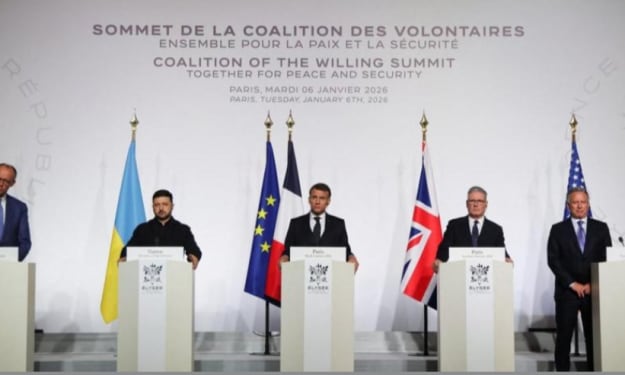
UK and France Would Send Troops to Ukraine in Event of Peace Deal, Starmer Says After Paris Talks
British Prime Minister Keir Starmer has announced that the United Kingdom and France would be prepared to send troops to Ukraine if a future peace deal with Russia is reached. The statement followed high-level talks in Paris, signaling a potential shift in how European powers might guarantee Ukraine’s security after active hostilities end.
By Aarif Lashari17 days ago in Gamers
Animal Crossing: New Horizons 3.0 Update Review:
After 1,410 hours across five years and loving this game enough to gift it to multiple friends, I never expected to be writing this review. When Nintendo declared version 2.0 the "final major update" back in November 2021, we all accepted that New Horizons' story was complete. Four years later, here we are with version 3.0, released January 14, 2026, and I have complicated feelings about this surprise resurrection.
By Parsley Rose 4 days ago in Gamers
Dota 2 Gameplay Review: Mastery, Strategy, and Competitive Depth
Dota 2 gameplay is defined by strategic decision-making, team coordination, and long term skill development rather than fast reflexes alone. Every match challenges players to manage resources, read the map, adapt to hero interactions, and communicate effectively under pressure. Over time, these repeated choices shape distinct playstyles and habits that go far beyond visible stats like kills or rankings. This is why many players enjoy reflecting on their in-game behavior through a Dota 2 player purity challenge based on in game behavior and mindset, which offers a clearer picture of how deeply Dota 2 influences the way the game is actually played.
By Enzo Marcelli4 days ago in Gamers


Comments
There are no comments for this story
Be the first to respond and start the conversation.