
Solve, Build, Repeat: TRIANGULATE Is the Logic Puzzle Game You Didn’t Know You Needed
TRIANGULATE: A Technological Puzzle You’ll Never Forget

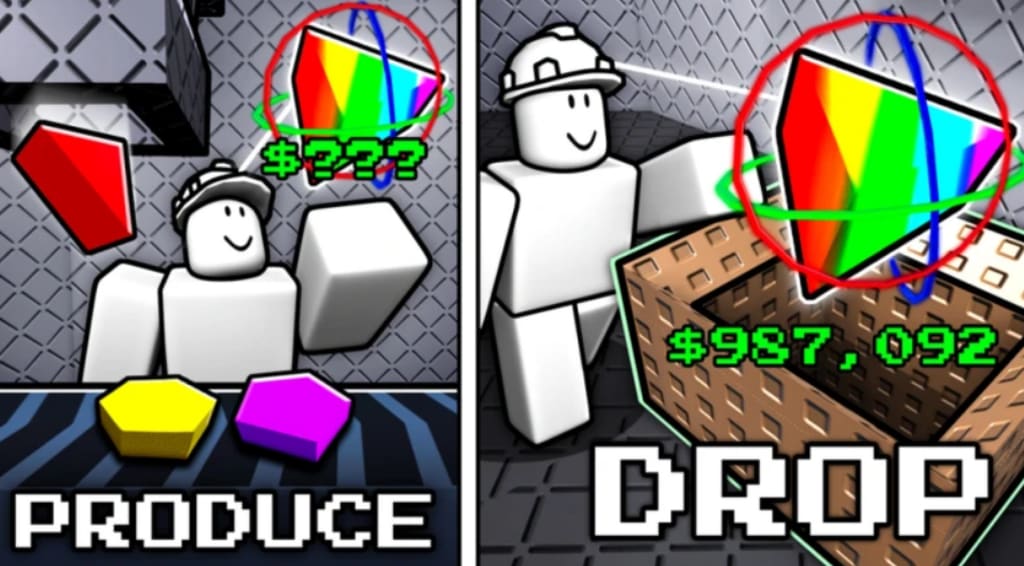
I still remember the first time I launched TRIANGULATE. At a glance, it seemed simple — place some shapes, connect a few gears, maybe flip a switch or two. But within ten minutes, I was deep into constructing a ridiculous contraption that somehow balanced precision mechanics with abstract beauty. That’s the charm of TRIANGULATE: it pulls you in with simplicity, then completely rewires how you think about puzzles, logic, and creativity. And the best part? There are codes you can redeem for boosts, tools, and even aesthetic upgrades — a nice little bonus for puzzle addicts like me who love to tinker with everything.
Let’s be clear — this isn’t just another Roblox game. TRIANGULATE is something different. It’s a deliberate, well-paced experience that takes the mechanical spirit of games like R.E.P.O. and rebuilds it with modern sensibilities. You’re not just solving puzzles — you’re designing them. And somehow, it feels both intensely challenging and weirdly cozy at the same time.
A Puzzle Game with Purpose
Each day in TRIANGULATE, you’re met with a brand-new objective. Maybe you need to construct a sequence that produces exactly five blue triangles. Or perhaps you’re under a strict time limit and have to balance speed with efficiency. These daily tasks are what give the game a surprising sense of rhythm. You don’t just log in to grind XP — you log in to think.
What makes these goals so captivating is that there’s never one correct way to solve them. You could build an elaborate machine with multiple interconnected levers and timers… or find a surprisingly elegant shortcut that relies on a single well-timed pulse. The game doesn’t punish experimentation — in fact, it encourages it. The freedom to try, fail, revise, and ultimately succeed makes each win feel earned.
And let’s not forget the physical joy of watching your machine come to life. There’s something inexplicably satisfying about seeing your little geometric production line kick into action. The whir of gears, the smooth slide of shapes along rails, the perfect moment when a mechanism triggers — it’s like solving a Rubik’s cube that you built yourself.
Inspired by R.E.P.O., Powered by Imagination
If you’ve ever played the cult classic R.E.P.O., you’ll instantly feel the influence in TRIANGULATE's style and systems. The minimalist visuals, the industrial design language, the clever use of sound and animation — it all feels like a love letter to that earlier era of thoughtful puzzle games. But TRIANGULATE isn’t a clone. It builds on those ideas with sharper mechanics, smoother tools, and more dynamic environments.
There’s a kind of meditative beauty to the game’s aesthetic. Machines hum in soft rhythms, colors are subdued yet purposeful, and even the shape outlines have a kind of clean, tactile sharpness. It’s not flashy. It’s not trying to impress you with particle effects or blaring soundtracks. Instead, it slowly earns your respect by being consistently clever and wonderfully grounded.
One of my favorite things is how each tool you unlock feels like an invitation, not just a power-up. You don’t just get a new function — you immediately start imagining five different ways it could work. The game doesn’t give you instructions so much as it dares you to invent your own.
The Rise in Complexity (and Satisfaction)
Early on, the challenges are pretty manageable. Build a few platforms, connect a shape selector to a duplicator, throw in a delay here and there — easy enough. But as you progress, the layers start to stack. Suddenly you’re managing multiple machine types, using runes to modify timing, and creating synchronization chains that span the entire workspace.
This escalation feels organic. You’re never thrown into the deep end without your water wings. The new elements are introduced one at a time, and by the time you need to use them, you’re already familiar with their quirks. It’s smart design, and it keeps you coming back — not because you have to, but because you want to see what’s next.
The inclusion of rune-boosts is particularly exciting. These tiny modifiers can completely shift how you approach a problem. Maybe one makes your timing more forgiving, while another speeds up your machines. Combined with new tools like hydraulic arms and programmable turntables, the level of control you have becomes almost intimidating — but in the best way.
It’s at this point in the game — maybe six or seven hours in — that TRIANGULATE truly clicks. You’re no longer just solving puzzles. You’re engineering them. And you start to feel a kind of quiet pride in the elegance (or ridiculous complexity) of your solutions.
Codes, Rewards, and Reasons to Keep Returning
Let’s talk about the codes. Yep — TRIANGULATE includes a rotating selection of redeemable TRIANGULATE codes that can give you in-game rewards. These might be extra runes, new visual styles for your machines, or even unique parts that aren’t available any other way. It’s a small thing, but it adds a sense of community and discovery, especially when you realize that some codes are tied to seasonal events or special milestones.
It’s also a nice motivator to log in daily. Not that you need much motivation — once TRIANGULATE sinks its hooks into you, it becomes a kind of daily ritual. Coffee, keyboard, puzzle — and then that sweet dopamine hit when your 3-stage logic chain finally works exactly as intended.
More Than a Game — A Creative Outlet
What really makes TRIANGULATE special is that it transcends the basic idea of “gameplay.” Sure, it has objectives, challenges, systems. But it also feels like a sandbox for the mind. It’s the kind of experience that scratches the same itch as LEGO, Sudoku, or even programming. You’re creating something out of logic — something elegant, useful, and uniquely yours.
There were nights I found myself staring at the screen long after solving a puzzle, just admiring how the machine looked in motion. How each part did exactly what it was supposed to do. How the whole thing felt more alive than anything made of virtual geometry had any right to be.
And that’s the magic of TRIANGULATE. It doesn’t scream for your attention. It earns it, holds it, and rewards it with something far deeper than high scores or flashy effects. It gives you space to think. Space to experiment. And most importantly — space to feel smart.
Final Thoughts
If you’ve ever been the kind of person who takes apart toys to see how they work, or rewatches scenes in movies just to understand how the gears turn behind the curtain, TRIANGULATE is your dream game. It’s challenging without being frustrating, beautiful without being flashy, and smart without being smug.
There’s real joy in figuring something out for yourself. Real fun in failing, fixing, and finally succeeding. And in an age where so many games focus on fast rewards and instant gratification, TRIANGULATE dares to slow things down — to make you think.
So if you’re looking for a game that will stimulate your mind, test your creativity, and offer a cozy-but-complex world of logic-based challenges, give TRIANGULATE a shot. And don’t forget to check for new codes — because sometimes, even the smartest puzzle-solver deserves a little extra help.
Спросить ChatGPT
About the Creator
Keep reading
More stories from Serhii Biloshytskyi and writers in Gamers and other communities.
Dungeon Heroes Review – Action, Loot, and Heart-Pounding Co-op
If you’ve ever dreamed of diving headfirst into a dungeon brimming with danger, loot, and heart-racing timers — Dungeon Heroes is exactly where you need to be. It’s not just another RPG on Roblox. No, this one hits different. From the very first time I loaded into its gloomy, torch-lit corridors, I felt that adrenaline-charged blend of challenge and curiosity that only the best dungeon crawlers can give. And here’s a cool tip to kick things off — there are codes in the game that give you free boosts and rewards, so don’t forget to use them. That head start can mean the difference between surviving the boss room or being flattened like a pancake.
By Serhii Biloshytskyi6 months ago in Gamers
Dodgers
The Los Angeles Dodgers have long been one of the most influential franchises in MLB, known for combining elite player development with the financial flexibility to pursue top-tier talent. From consistent postseason appearances to being counted among recent World Series winners, the Dodgers continue to shape league-wide conversations. As the new season approaches, Dodgers news is once again dominated by roster construction, payroll discussions, and persistent MLB trade rumors—especially those surrounding Kyle Tucker. The Dodgers’ Identity in Modern MLB Few teams balance tradition and innovation quite like the LA Dodgers. Their front office has mastered analytics while still valuing star players who can deliver in October. The current Dodgers roster reflects that philosophy, blending established veterans with emerging talent. Over the years, names like Cody Bellinger have defined eras of success, while new possibilities continue to fuel speculation. The Dodgers’ ability to remain competitive is also tied to their willingness to maintain a high Dodgers payroll. While they are not reckless spenders, they are strategic—targeting players who can elevate both performance and brand value. Kyle Tucker and Why He Fits the Dodgers Narrative Among the most discussed names in recent MLB rumors is Kyle Tucker. A consistent offensive presence and reliable defender, Tucker has emerged as one of the most complete players in modern baseball. Naturally, that has led to growing interest in a potential Kyle Tucker Dodgers scenario. So, what position does Kyle Tucker play? Tucker is primarily a right fielder, though his athleticism allows flexibility across the outfield. That versatility makes him especially attractive to teams like the Dodgers, who value adaptable Dodgers outfielders capable of handling high-pressure situations. The phrase “Tucker baseball” has become shorthand for a balanced skill set: power, patience, and postseason reliability. It’s no surprise that Kyle Tucker news often trends alongside big-market teams. Contracts, Agents, and the Cost of Stardom Any serious discussion of Tucker to Dodgers inevitably leads to contract considerations. The idea of a Kyle Tucker contract Dodgers deal raises questions about years, value, and long-term impact. While no official Kyle Tucker deal has been announced, speculation continues around what such a move would require. The Kyle Tucker agent would likely prioritize both financial security and a winning environment—two things the Dodgers can credibly offer. Still, committing to a potential Kyle Tucker Dodgers contract would require careful planning, especially with other stars already on the books. Misspellings like kyle.tucker, kyle tuxker, or even kyke tucker frequently appear in online searches, underscoring just how much attention surrounds him across the baseball world. How Tucker Could Shape the Dodgers Lineup If a Dodgers Tucker scenario ever materializes, it would have a major impact on the Dodgers lineup. A projected middle-of-the-order bat like Tucker could slot seamlessly into a Dodgers projected lineup, offering protection for existing stars and adding depth in late-game situations. Comparisons have been drawn between Tucker and former Dodgers standouts like Bellinger, particularly in terms of two-way impact. While Cody Bellinger brought elite defense and timely power, Tucker offers a more consistent offensive profile year over year. Competition From the Mets and Other MLB Teams Of course, the Dodgers are not alone in pursuing elite talent. The NY Mets, backed by owner Steve Cohen, have made it clear they are willing to spend aggressively. Mets news often mirrors Dodgers news, especially when it comes to top-tier MLB free agents and trade targets. Names like Edwin Diaz and Bo Bichette frequently appear in league-wide discussions, highlighting how interconnected roster decisions have become. Any move involving Tucker would likely ripple across the league, influencing strategies for teams like the Mets, who remain active in both free agency and trades. MLB Trade Rumors and the Bigger Picture Sites such as MLBTradeRumors regularly analyze scenarios involving Kyle Tucker to Dodgers, though nothing has been confirmed. These rumors reflect a broader truth: elite players drive conversation, even when deals never materialize. The Dodgers understand that not every rumor becomes reality. Still, being linked to players like Tucker reinforces the team’s image as a perennial contender. Whether through trades or internal development, the goal remains the same—build a roster capable of winning another championship. Looking Ahead: What This Means for the Dodgers As the season unfolds, the Dodgers will continue to evaluate opportunities that align with their long-term vision. The idea of Dodgers Kyle Tucker is compelling, but it’s only one chapter in a much larger story about sustained excellence. With a deep farm system, financial flexibility, and a proven track record, the Los Angeles Dodgers remain at the center of MLB news. Whether or not Tucker ever wears Dodger blue, the conversations surrounding him highlight how the franchise continues to influence the direction of the league. In the end, the Dodgers’ success has never hinged on a single move. It’s about smart decisions, calculated risks, and an unwavering commitment to winning—qualities that keep them relevant, respected, and always worth watching.
By Saboor Brohi about 13 hours ago in Gamers
Marvel Rivals Patch Notes: Season 6 "Night at the Museum" - Full Breakdown, Deadpool Abilities, and Hero Buffs
The wait is almost over! NetEase Games has finally pulled back the curtain on the next massive update for its hit superhero shooter. If you’ve been searching for the latest Marvel Rivals patch notes, you’re in the right place. Season 6, titled "Night at the Museum," is officially set to launch on January 16, 2026, and it’s bringing the Merc with a Mouth along for the ride.
By Info Post Gate3 days ago in Gamers




Comments
There are no comments for this story
Be the first to respond and start the conversation.