
Ski Jumping Today: The Thrills, Challenges, and Evolution of a Legendary Sport
From soaring over snowy peaks to breaking world records, ski jumping continues to capture the hearts of fans around the world—today’s stars are pushing the limits of what’s possible.

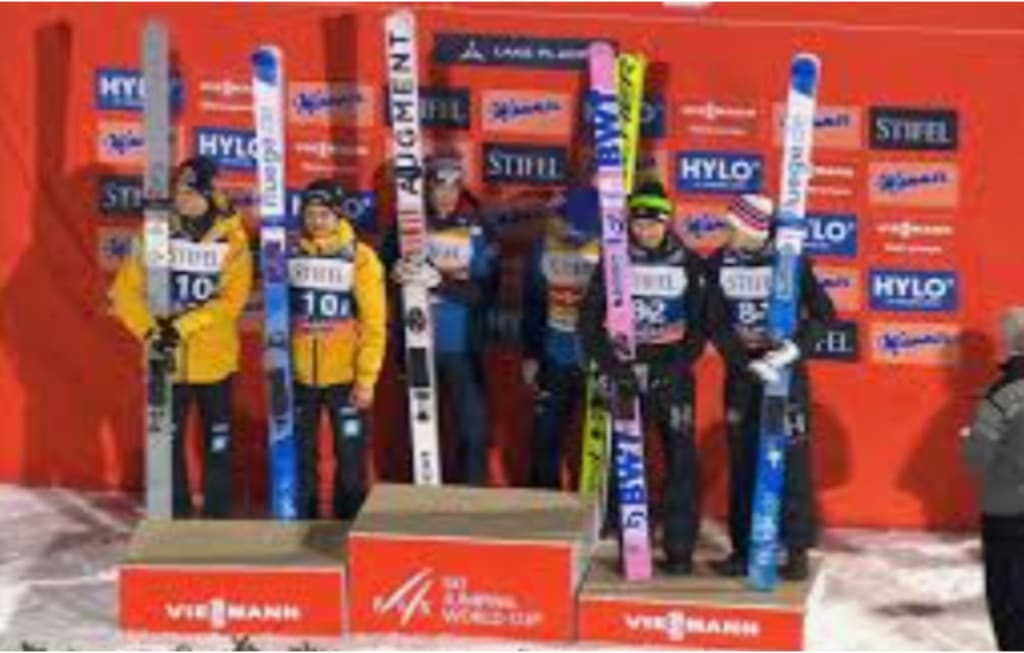
Ski jumping is one of the most exhilarating and awe-inspiring sports in the Winter Olympics. Watching athletes launch themselves off towering ramps, flying through the cold mountain air, and landing with precision on the snowy slopes is a spectacle that excites fans year after year. Today, ski jumping is more than just a test of skill; it’s an event where technology, physics, and athlete preparation combine to break new records and push the sport into thrilling new territories.
When we think of ski jumping, the image of a daring athlete defying gravity comes to mind. However, the sport is a delicate balance of precision, control, and technique. Athletes need the perfect combination of strength, aerodynamics, and mental focus to conquer the massive jumps—sometimes over 200 meters long—that define ski jumping today. But beyond the jump itself, the sport has undergone remarkable evolution, both in terms of its athletes and the technology that fuels their feats.
The Mechanics of Ski Jumping: Beyond the Jump
At its core, ski jumping is all about controlling a long flight through the air. After launching off a ramp, the jumper relies on aerodynamics to stay aloft, adjusting their body position for balance and lift. But these athletes don’t just “jump”—they fly. And just as much as physical prowess is required, a keen understanding of the mechanics of flight is crucial. A jumper's ability to position their body to maximize lift can make all the difference in achieving a successful, record-breaking jump.
The skis themselves have evolved dramatically over the years. Today, skis are longer, lighter, and designed to maximize aerodynamic properties. The design of ski suits, too, has changed. The tight, form-fitting suits reduce air resistance, allowing athletes to glide through the air more efficiently. Combined with advancements in helmet design and technology that tracks a jumper’s flight path, today’s ski jumpers are not just relying on instinct and training—they have cutting-edge tools to measure and refine every aspect of their performance.
Record-Breaking Jumps: The Sky’s the Limit
Over the past few decades, the ski jumping world has witnessed incredible feats of athleticism. One of the sport’s most impressive moments came in 2017, when Kamil Stoch of Poland won the FIS Ski Jumping World Cup and achieved incredible consistency. However, it wasn’t until Stefan Kraft of Austria shattered records in 2017 with a jump of 253.5 meters, that the sport was pushed to even greater heights.
Record-breaking jumps like Kraft’s are a testament to the combination of training, technology, and physics that has evolved in the sport. But even more than breaking records, the sport continues to inspire future generations of athletes to push their limits. Today’s ski jumpers are more aware than ever of the scientific aspects of the sport, using data and feedback to tweak their form, timing, and technique to achieve new milestones.
The Champions of Today: A New Era of Ski Jumping
As the sport evolves, so too do its athletes. Today’s ski jumpers are not only physically elite, but they also use advanced training techniques to ensure their success. Mental training, visualization techniques, and even nutrition have all played a critical role in their rise. One standout name in recent ski jumping history is Ryoyu Kobayashi of Japan, who has taken the sport by storm with his rapid success and consistency on the World Cup circuit. His ability to soar through the air with precision and confidence is a testament to both his athleticism and his mastery of modern ski jumping techniques.
But Kobayashi isn’t alone—there is a fresh wave of young athletes emerging from countries like Norway, Poland, and Austria, bringing new energy and excitement to the sport. While established champions such as Peter Prevc and Marius Lindvik still make their mark, the new generation of ski jumpers is showing that there’s no limit to how far the sport can go.
Technology and the Future of Ski Jumping
Perhaps one of the most exciting aspects of modern ski jumping is the technology that’s transforming the sport. From wind tunnels to advanced ski suit technology, athletes now have more tools at their disposal than ever before to improve their performance. Modern wind tunnels help jumpers understand the intricacies of aerodynamics by simulating different flight conditions. In real-time, coaches and athletes can assess how minute changes in body position or ski angle affect the jump, allowing them to fine-tune their performance.
On top of that, data analysis has become an essential tool in ski jumping. GPS tracking systems allow athletes to monitor their flight trajectories, speed, and other key metrics. This helps them understand how each factor—whether it’s wind speed or body posture—affects the jump, ensuring every element is optimized for performance.
The Challenges Ahead: Staying in the Air
Despite all the advancements in technology and athletic preparation, ski jumping is still an incredibly dangerous sport. While safety measures have improved, including better ski bindings, helmets, and protective suits, the risk of injury remains ever-present. Athletes face unpredictable weather conditions and challenges with wind speed, which can have a significant impact on their performance. These factors require jumpers to be not only skilled but adaptable, able to make quick decisions in the air and stay in control throughout their flight.
But this is part of what makes ski jumping so captivating. It’s a sport where athletes push themselves to the edge of what is humanly possible, constantly challenging gravity, weather, and themselves. The excitement of watching them soar through the air, pushing the boundaries of the sport, is what makes ski jumping so universally thrilling.
Conclusion: Soaring Into the Future
As we watch today’s ski jumpers take to the skies, one thing is certain: the sport will continue to evolve. With new technology, innovative training techniques, and the relentless pursuit of breaking records, the future of ski jumping looks brighter than ever. For fans, it’s an exhilarating time to be part of the sport, watching as the athletes of today push the limits of what we thought was possible—and perhaps even inspire the jumpers of tomorrow to fly higher, farther, and faster than ever before.
About the Creator
Sajida Sikandar
Hi, I’m Sajida Sikandar, a passionate blogger with 3 years of experience in crafting engaging and insightful content. Join me as I share my thoughts, stories, and ideas on a variety of topics that matter to you.
Keep reading
More stories from Sajida Sikandar and writers in Gamers and other communities.
Bottled Water: Convenience, Cost, and the Truth We Rarely Question
Bottled water has become a daily companion for millions of people around the world. It sits in our cars, backpacks, office desks, and bedside tables, marketed as pure, safe, and essential for a healthy lifestyle. For many, grabbing a plastic bottle is second nature—quick, convenient, and reassuring. Yet behind this seemingly simple product lies a complex story of health perceptions, environmental consequences, and consumer habits that deserve closer attention.
By Sajida Sikandar20 days ago in Earth
Dominating with Dual-Wield Pistols in CoD BO7: Tips That Work
Dual-wield pistols have always had a place in Call of Duty, but in Black Ops 7 they feel sharper, faster, and more dangerous than before. With the right setup and mindset, running akimbo pistols is no longer just for flashy clips. It is a real option for close-range control, fast pushes, and aggressive objective play. Players who understand how these weapons behave can turn tight spaces into their own territory and force enemies to fight on uncomfortable terms.
By Smsankar Goswami2 days ago in Gamers




Comments
There are no comments for this story
Be the first to respond and start the conversation.