
Bottled Water: Convenience, Cost, and the Truth We Rarely Question
From supermarket shelves to gym bags, bottled water feels harmless—but its impact reaches far beyond hydration.

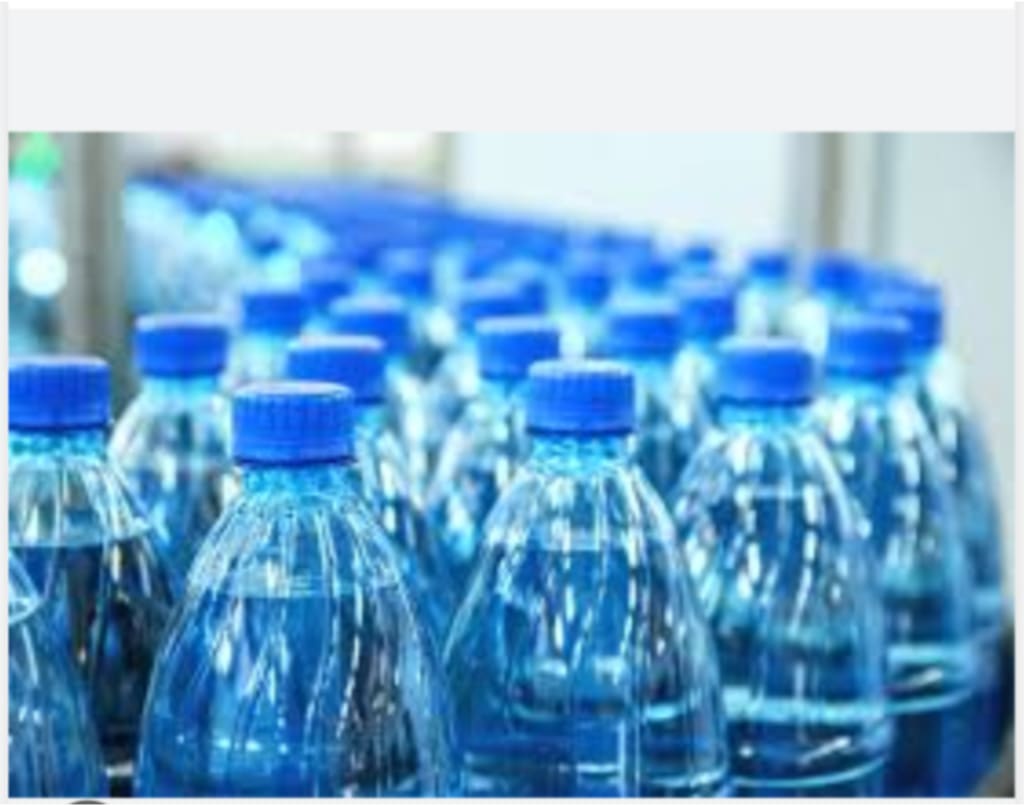
Bottled water has become a daily companion for millions of people around the world. It sits in our cars, backpacks, office desks, and bedside tables, marketed as pure, safe, and essential for a healthy lifestyle. For many, grabbing a plastic bottle is second nature—quick, convenient, and reassuring. Yet behind this seemingly simple product lies a complex story of health perceptions, environmental consequences, and consumer habits that deserve closer attention.
The rise of bottled water did not happen overnight. Decades ago, tap water was the default source of hydration in most households. Over time, concerns about water quality, aging infrastructure, and contamination—some real, some exaggerated—pushed consumers toward bottled alternatives. Clever marketing reinforced the idea that bottled water was cleaner, safer, and somehow superior. Images of pristine mountains, untouched springs, and crystal-clear streams shaped public perception, even when the water inside the bottle often came from municipal sources.
One of the strongest appeals of bottled water is trust. In areas where tap water is unsafe or unreliable, bottled water is not a luxury—it is a necessity. It provides access to clean drinking water during emergencies, natural disasters, and in regions lacking proper infrastructure. In these contexts, bottled water plays a critical and sometimes life-saving role. However, in places where tap water meets safety standards, the preference for bottled water becomes less about need and more about habit and belief.
Health is another major factor driving bottled water consumption. Many people associate it with wellness, fitness, and cleanliness. Carrying a bottle signals hydration awareness and self-care. Yet studies in many developed countries show that tap water is often just as safe—and sometimes more strictly regulated—than bottled water. In fact, bottled water can sit in warehouses, trucks, and store shelves for months, exposed to heat and light, which may affect its quality over time.
Then there is the environmental cost, which is often overlooked. The production of plastic bottles requires fossil fuels, water, and energy. Millions of bottles are manufactured every day, transported across long distances, and discarded after a single use. While recycling is promoted as a solution, only a fraction of plastic bottles are actually recycled. The rest end up in landfills, rivers, and oceans, where they break down into microplastics that harm ecosystems and wildlife.
Microplastics have become a growing concern in recent years. Research has shown that tiny plastic particles can be found not only in oceans and soil but also in bottled water itself. This raises uncomfortable questions about the long-term health effects of consuming water packaged in plastic. While scientific understanding is still evolving, the presence of microplastics challenges the idea that bottled water is the “purest” option available.
Cost is another hidden factor. Bottled water is significantly more expensive than tap water—sometimes hundreds or even thousands of times more per liter. For households that rely heavily on bottled water, this cost adds up over time. What seems like a small daily purchase can become a substantial financial burden, especially when affordable alternatives such as water filters and reusable bottles are available.
Despite growing awareness, bottled water remains deeply embedded in modern culture. Convenience plays a powerful role. Bottles are easy to carry, widely available, and require no preparation. In busy lifestyles, convenience often outweighs environmental or ethical concerns. However, consumer behavior is slowly shifting. Refillable bottles, filtration systems, and public refill stations are gaining popularity, especially among younger generations who are more conscious of sustainability.
The bottled water industry has begun responding to criticism by introducing eco-friendly packaging, plant-based plastics, and improved recycling initiatives. While these efforts represent progress, they do not fully address the core issue of single-use consumption. Reducing reliance on disposable bottles remains the most effective way to lessen environmental impact.
Ultimately, bottled water is not inherently good or bad—it is situational. It is essential in emergencies and in regions without safe drinking water. But in everyday life, its widespread use often reflects convenience, marketing influence, and habit rather than necessity. Becoming more mindful of our choices does not mean eliminating bottled water entirely; it means using it responsibly and thoughtfully.
Hydration is vital, but how we hydrate matters. By questioning our dependence on bottled water, we open the door to healthier habits, reduced waste, and a more sustainable relationship with the resources we rely on daily. Sometimes, the most powerful change begins with something as simple as refilling a bottle instead of buying a new one.
About the Creator
Sajida Sikandar
Hi, I’m Sajida Sikandar, a passionate blogger with 3 years of experience in crafting engaging and insightful content. Join me as I share my thoughts, stories, and ideas on a variety of topics that matter to you.
Keep reading
More stories from Sajida Sikandar and writers in Earth and other communities.
🔥 When the Weather Warns: What You Need to Know About a Heat Advisory
Summer isn’t just sunshine and beach days—it’s also the season when the heat can turn dangerous fast. You’ve probably heard local forecasters say, “A heat advisory is in effect,” but what exactly does that mean? More importantly, what should you do when it happens?
By Sajida Sikandar3 months ago in Earth
How Dangerous Is Chernobyl Radiation Today
many people still ask the same question: how dangerous is chernobyl radiation today? The short answer is that the danger still exists, but it is very different from what it was in 1986. Radiation levels have dropped a lot, some areas are safer than others, and strict rules remain in place to protect people and the environment. To understand the real risk today, it is important to look at what happened, what has changed, and what dangers still remain.
By Horizon Dwellers7 days ago in Earth
Neutraceutical Packaging Market Size and Forecast 2025–2033
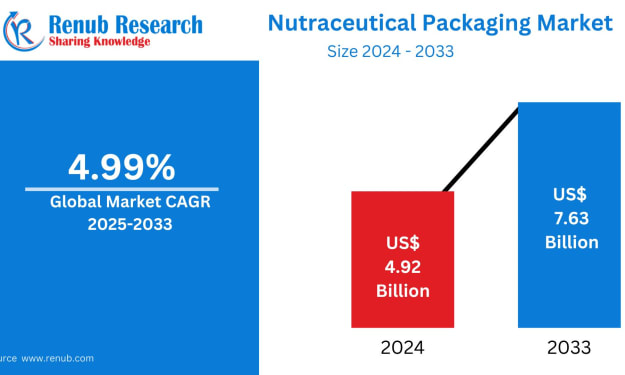
Neutraceutical Packaging Market at a Glance The Neutraceutical Packaging Market is projected to expand from US$ 4.92 billion in 2024 to US$ 7.63 billion by 2033, growing at a CAGR of 4.99% from 2025 to 2033. This steady growth reflects the accelerating global demand for dietary supplements, functional foods, herbal products, and wellness beverages. Rising health awareness, aging populations, sustainability expectations, the rapid growth of e-commerce, and evolving regulatory frameworks are reshaping how nutraceutical products are packaged, protected, and presented.
By jaiklin Fanandishabout 5 hours ago in Earth

Comments
There are no comments for this story
Be the first to respond and start the conversation.